
In the field of laboratory biosafety, medical facilities in Nepal face numerous challenges related to contamination control and the sterilization workflow. With increasing workloads, efficiency and safety become paramount, particularly in microbiological and clinical diagnostics laboratories. The demand for effective laboratory sterilization equipment has surged, particularly for products like the Micro Incinerator / Infrared Inoculating Loop Sterilizer, which provide a critical solution to these challenges.
Understanding the Technical Principles of Loop Sterilizers
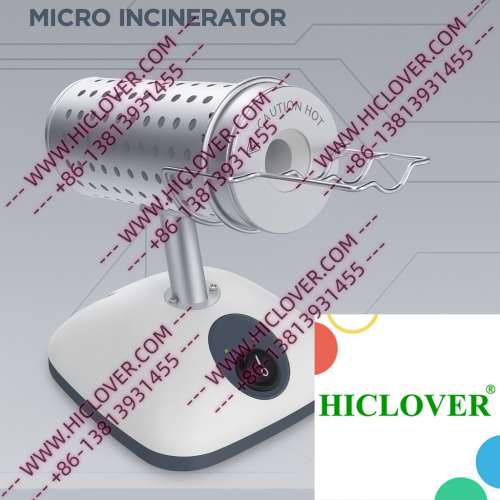
The Micro Incinerator utilizes infrared heat generated through an enclosed ceramic tube, offering rapid thermal sterilization without the use of a traditional flame. Unlike alcohol lamps and Bunsen burners which can create hazardous fumes and flame-related safety risks, the infrared technology provides a clean-bench-safe environment, ensuring that aerosols are minimized during the handling of biological materials. The precise control of temperature within the ceramic heating chamber allows for quick disinfection of inoculating loops, test tubes, and other laboratory tools, making it an indispensable asset in modern laboratories.
Key Advantages Over Traditional Flame Sterilizers
- Rapid Sterilization: Infrared technology allows for quick heating, reducing the waiting time between uses.
- Reduced Risk: Eliminates open flames, significantly lowering the risk of fire hazards, especially in sensitive environments.
- Aerosol-free Operation: Infrared sterilizers minimize aerosol generation, critical for maintaining clear and uncontaminated workspaces.
- Consistency: Offers uniform heating which enhances the reliability of the sterilization process.
- Protection against biohazard exposure as outlined in BSL compliance guidelines.
- Conformance with sterilization protocols in clinical settings as per regulatory requirements.
- Support for maintaining a flame-free environment, crucial for laboratories working with volatile substances.
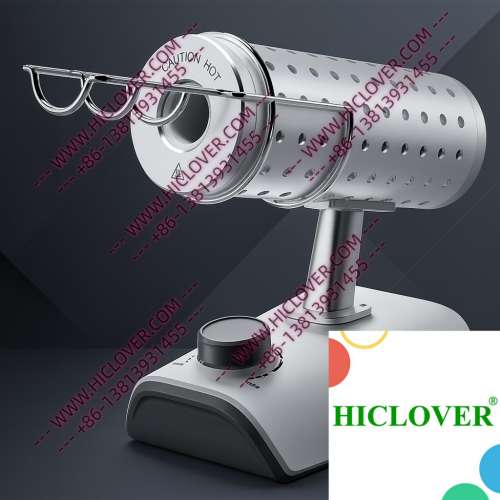
Application Scenarios in Real Labs
In Nepali medical facilities, the Micro Incinerator can be effectively utilized in various scenarios:
1. Biosafety Cabinets in Clinical Laboratories
Biosafety cabinets are essential for preventing contamination in BSL-2 and BSL-3 microbiology labs. The incorporation of Micro Incinerators allows technicians to sterilize instruments without compromising the sterile environment. For instance, during the handling of pathogenic samples, using an infrared loop sterilizer provides rapid, efficient sterilization right within the confines of the biosafety cabinet, preventing potential cross-contamination.
2. Field Testing Laboratories
In field testing scenarios, such as those conducted by NGOs in rural areas, the Micro Incinerator’s portability and efficiency allow teams to maintain hygiene standards while conducting vital research. The device’s lightweight design enables easy transport, thus ensuring that sterilization happens on-site without the need for additional resources like alcohol or gas, which may be inaccessible in remote areas.
Compliance with Biosafety Standards
Adhering to international biosafety standards is crucial for maintaining safe laboratory practices. The World Health Organization (WHO) has set forth comprehensive guidelines regarding laboratory sterilization and contamination control. One key consideration is the implementation of NO flame policies in clean rooms to preserve air quality and minimize contamination risks.
Lab Sterilization Standards
Micro Incinerators align well with various lab sterilization standards due to their effective and safe operational parameters:
FAQs About Micro Incinerators
What is a Micro Incinerator?
A Micro Incinerator is a laboratory sterilization device that utilizes infrared heat for the rapid sterilization of inoculating loops and other lab utensils, offering a safer, more efficient option compared to traditional flame methods.
How does the Micro Incinerator enhance safety in labs?
By eliminating the risk of open flames, it reduces fire hazards and minimizes the generation of potentially harmful aerosols, thus ensuring a sterile working environment.
Is the Micro Incinerator suitable for BSL-2 and BSL-3 labs?
Yes, the device is effective in BSL-2 and BSL-3 laboratories as it adheres to necessary biosafety guidelines for handling biological samples and pathogens.
Can the Micro Incinerator be used for field testing?
Absolutely! Its portable design makes it ideal for on-site sterilization in field testing, even in remote locations.
What are the maintenance requirements for a Micro Incinerator?
Regular cleaning of the ceramic heating chamber and routine checks of the electrical components are recommended to ensure optimal performance and longevity.
Conclusion
The Micro Incinerator / Infrared Inoculating Loop Sterilizer represents a significant advancement in laboratory sterilization technology. Its safe, efficient, and reliable design enhances patient safety and compliance with critical biosafety regulations in Nepali medical facilities. By integrating this sophisticated equipment into their workflows, laboratories can improve their operational efficiency, reduce contamination risks, and ultimately provide better care to their patients.
For more information on how to enhance your laboratory’s sterilization practices with the Micro Incinerator, feel free to contact us today!
Categories:
Tags: