
In modern laboratories, ensuring a contamination-free environment is critical for reliable results and the safety of researchers and patients alike. However, practical laboratory biosafety challenges often arise, particularly in the sterilization process. The advent of advanced laboratory sterilization equipment, such as the Micro Incinerator or Infrared Inoculating Loop Sterilizer, offers a sophisticated solution to these challenges, providing rapid, high-temperature sterilization without the inherent risks associated with traditional flame-based methods.
Understanding the Technical Principles
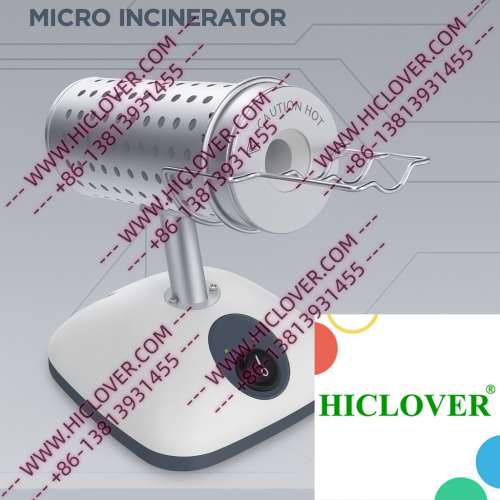
The Micro Incinerator operates on the principle of rapid thermal sterilization using infrared heat. This technology utilizes a contained ceramic heating chamber that reaches high temperatures quickly, effectively eliminating microbial life on inoculating loops, needles, or other laboratory tools. Unlike traditional flame sterilizers such as alcohol lamps and Bunsen burners that produce open flames, this infrared sterilizer allows for a safer, more controlled sterilization process, minimizing the risk of unintended contamination and aerosols.
This method of sterilization has several advantages, particularly in sensitive laboratory environments. Its enclosed design ensures that there is no exposure to flames, significantly lowering the risk of accidents that could arise from flammable materials often found in biosafety cabinets or labs handling volatile substances.
Diverse Applications in Real-World Labs
1. Biosafety Cabinets
In BSL-2 and BSL-3 microbiology labs, where pathogenic organisms are handled, the Micro Incinerator has proven invaluable. Strengthening laboratory safety protocols, it provides researchers with a means to quickly and efficiently sterilize tools between samples, thereby preventing cross-contamination and maintaining the integrity of experimental results.
2. Field Testing and Teaching Labs
In the context of field testing, where convenience and transportability are essential, the Micro Incinerator serves as an indispensable tool. Its lightweight design makes it a practical option for researchers conducting experiments in remote locations. Similarly, in university teaching labs, this device enhances learning by allowing students to practice sterile techniques without the hazards associated with open flames, cultivating a safer educational environment.
Compliance and Environmental Considerations
Adhering to established biosafety standards is paramount in laboratory operations. The World Health Organization (WHO) has set guidelines emphasizing the importance of effective sterilization methods to control the spread of infections. In environments like clean rooms, where maintaining sterile conditions is crucial, traditional flame sterilizers pose a risk due to their open flame and the production of aerosols during use.
The Micro Incinerator aligns with laboratory sterilization standards by promoting safe, flame-free environments essential for conducting sensitive research. Compliance with these standards serves not just to meet regulatory requirements but also ensures the safety and efficiency of laboratory workflows.
Comparison: Micro Incinerator vs. Traditional Flame Burners
| Feature | Micro Incinerator | Flame Burners |
|---|---|---|
| Heat Source | Infrared heating | Open flame (alcohol lamp/Bunsen burner) |
| Safety | Flame-free operation, aerosol-free | Risk of fire, potential for aerosol generation |
| Speed | Rapid thermal sterilization | Time-consuming heat-up |
| Portability | Lightweight, easy to transport | Requires stable surface, bulky |
Frequently Asked Questions (FAQs)
- Q: How does the Micro Incinerator work for sterilization? A: It utilizes infrared technology to produce high temperatures for rapid sterilization of laboratory instruments.
- Q: What are the key advantages of using the Micro Incinerator compared to traditional flame methods? A: Its flame-free operation enhances safety, and it achieves sterilization rapidly, making it suitable for various lab contexts.
- Q: Can the Micro Incinerator be used in BSL-3 labs? A: Yes, it is ideal for BSL-3 environments, where safety and sterility are critical.
- Q: Is the Micro Incinerator compliant with WHO biosafety regulations? A: Absolutely, it meets essential biosafety standards for sterile laboratory operations.
- Q: What types of laboratories can benefit from this sterilization equipment? A: It is beneficial in clinical diagnostics, university teaching labs, mobile field testing labs, and any setup requiring strict contamination controls.
Conclusion
In an era where laboratory safety and efficiency are paramount, the Micro Incinerator emerges as a frontrunner in the fight against contamination. Its design and operational principles not only enhance the sterilization process but also align with stringent biosafety compliance requirements. Embracing this innovative technology will bolster the safety protocols in your laboratory or educational institution, mitigating infection risks while improving workflow. For detailed specifications or to discuss purchasing options, please contact us today!
Categories:
Tags: