
As the demand for strict biosafety and sterilization protocols intensifies in laboratories worldwide, researchers are faced with an increasing array of challenges in maintaining sterile environments. Contamination control and effective sterilization workflows are vital to safeguarding both research integrity and personnel safety. One significant evolution in laboratory sterilization equipment is the introduction of the Micro Incinerator, also known as the Infrared Inoculating Loop Sterilizer. This innovation is designed to meet the rigorous standards of biosafety and operational efficiency required in modern labs.
Technical Principles of the Micro Incinerator
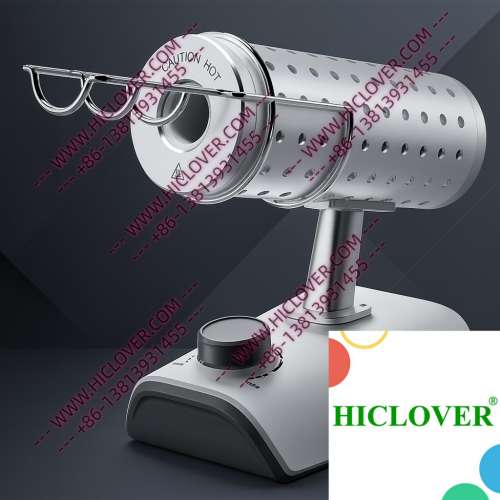
The Micro Incinerator operates using high-performance infrared heat delivered through an enclosed ceramic tube. This innovative design ensures rapid thermal sterilization, achieving temperatures upwards of 800°C. The infrared technology allows for instant, high-temperature disinfection without the risks associated with traditional flame-based methods.
Unlike alcohol lamps or Bunsen burners, which produce open flames and can create aerosol particles, the Micro Incinerator provides a clean-bench-safe solution. It minimizes the risks of contamination and laboratory accidents, making it especially suitable for sensitive applications in BSL-2 or BSL-3 microbiology labs.
Application Scenarios in Real Labs
Biosafety Cabinet Procedures
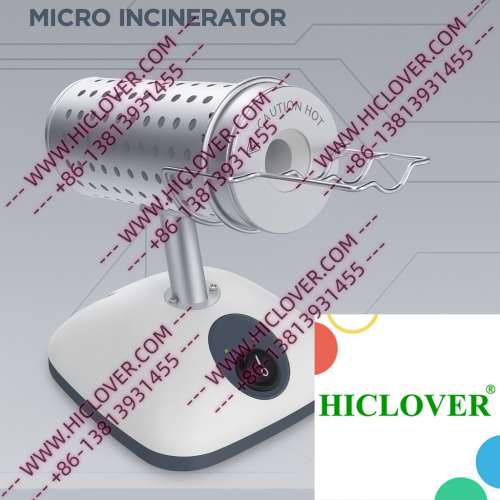
In many biosafety cabinets, where the primary goal is to create a sterile working environment, using a Micro Incinerator can revolutionize the sterilization process. Traditional flame sterilizers can compromise the airflow and increase the likelihood of contamination. In contrast, the infrared inoculating loop sterilizer can be conveniently integrated into such setups, providing immediate sterilization of inoculating loops or other lab tools without disrupting the sterile airflow.
Field Testing and Mobile Labs
Field testing poses unique challenges due to varying environments and the potential for contamination. Mobile labs equipped with Micro Incinerators can ensure that tools are sterilized on the spot, allowing for rapid testing without the delays associated with transporting samples back to a standard lab environment. This mobile capability is crucial for clinical diagnostics in remote areas or during outbreaks, where speed and reliability are paramount.
Compliance and Regulatory Standards
Globally, laboratory sterilization practices are governed by stringent guidelines to ensure safety and efficacy. Compliance with WHO biosafety standards is critical, especially in labs handling pathogens that pose public health risks. Regulations outline the necessity of eliminating open flames in clean rooms due to the potential hazards they introduce, including both fire risks and contamination by aerosols.
Implementing the Micro Incinerator not only aligns with these compliance standards but can also improve workflows significantly. It offers reliable and efficient sterilization, which is crucial for labs striving for accreditation and quality assurance. Laboratories in regions like the United States, Europe, and parts of Asia have increasingly adopted these technologies as part of their ongoing commitment to safety and best practices.
Comparison of Micro Incinerators and Traditional Flame Sterilizers
| Feature | Micro Incinerator | Flame Sterilizer |
|---|---|---|
| Temperature Control | Precise Infrared Heating | Variable Flame Control |
| Safety | No open flames | Open flames add fire hazard |
| Contamination Risk | Minimal aerosol generation | Aerosols produced under certain conditions |
| Efficiency | Instant sterilization | Delay in heating up |
Frequently Asked Questions
- What is a Micro Incinerator?
The Micro Incinerator, or Infrared Inoculating Loop Sterilizer, is an advanced sterilization tool that uses high-temperature infrared heat to eliminate contaminants quickly and safely. - Can it be used in clean rooms?
Yes, the Micro Incinerator is designed for use in clean rooms, providing effective sterilization without the dangers associated with open flames. - What are the main advantages over traditional methods?
Advantages include instant heating, reduced contamination risk, and improved safety due to the absence of open flames. - Is it suitable for teaching labs?
Absolutely! Teaching labs can benefit significantly from the safety and efficiency offered by the Micro Incinerator when demonstrating microbial techniques. - How easy is it to integrate into existing lab setups?
The Micro Incinerator is user-friendly and can be easily incorporated into various laboratory configurations, enhancing existing workflows.
Conclusion: Embracing the Future of Laboratory Sterilization
The introduction of equipment like the Micro Incinerator not only addresses the practical needs of laboratory processes but also aligns with stringent biosafety standards. Whether it’s a clinical environment, a university teaching lab, or a field testing scenario, the infrared inoculating loop sterilizer champions the cause of rapid, safe, and efficient sterilization.
If your laboratory is seeking to enhance its sterility protocols and improve operational workflows, consider incorporating a Micro Incinerator into your practice. Let us assist you in navigating the options available for high-quality sterilization equipment tailored to your specific needs.
Categories:
Tags: