
In laboratories worldwide, biosafety challenges and the stringent demands of sterilization workflows necessitate advanced sterilization equipment. As the risks associated with microbial contamination have heightened, laboratories have increasingly turned to innovative solutions. Among these, the Micro Incinerator, also known as the Infrared Inoculating Loop Sterilizer, stands out as a pivotal tool in enhancing sterilization protocols across various laboratory environments.
Understanding the Technical Principles
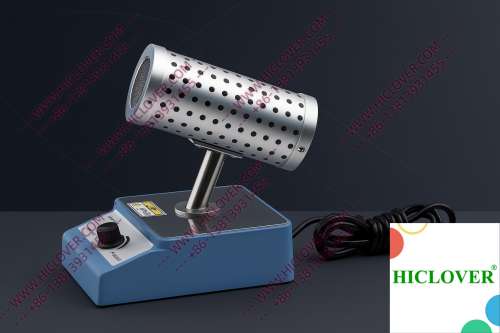
The Micro Incinerator employs advanced infrared heat technology, utilizing a ceramic heating chamber that reaches extremely high temperatures rapidly. This mechanism ensures consistent and effective sterilization while minimizing the risks associated with traditional flame-based sterilizers such as alcohol lamps and Bunsen burners. Its enclosed ceramic tube design prevents hazardous aerosols, making it a clean-bench-safe option for biosafety laboratories.
Advantages Over Traditional Flame Sterilizers
- Rapid Thermal Sterilization: Achieves sterilization in seconds rather than minutes.
- Contamination Control: Reduces the risk of aerosol generation during the sterilization process.
- Clean-Bench-Safe: Ideal for use in biosafety cabinets where open flames are discouraged.
- Operational Ease: Simple to operate, allowing for quick adjustments and immediate results.
- Low Maintenance: Minimal upkeep compared to traditional burners.
- What is the primary advantage of using a Micro Incinerator over traditional flame sterilizers?
The Micro Incinerator offers quick thermal sterilization, no aerosol risk, and is safe for use in clean environments. - How does the infrared technology work in the Micro Incinerator?
The device uses infrared heat to achieve rapid sterilization, ensuring that instruments reach necessary temperatures in seconds. - Can the Micro Incinerator be used in BSL-3 labs?
Yes, its design is conducive to maintaining sterility and safety in BSL-3 laboratory settings. - Is the Micro Incinerator easy to maintain?
Yes, it requires minimal maintenance compared to traditional flaming sterilization equipment. - How does this device help in teaching laboratory techniques?
It provides a safe, effective, and hands-on method for students to learn sterilization principles without the risks of flames.
Application Scenarios in Real Labs
Biosafety and Field Testing Labs
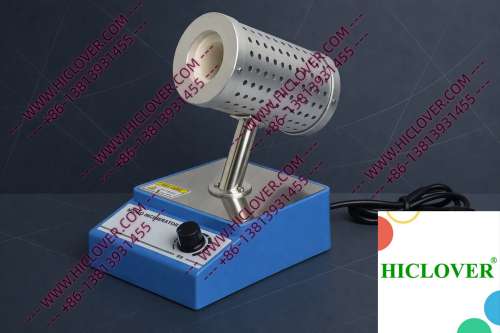
In BSL-2 and BSL-3 microbiology labs, the Micro Incinerator has become indispensable for the sterilization of inoculating loops and needles. Its operation within a biosafety cabinet ensures compliance with stringent sterility protocols and provides a safe working environment for laboratory personnel. For instance, during the culturing of potentially hazardous microorganisms, researchers can swiftly sterilize instruments without introducing the risks associated with open flames.
University Teaching Labs
In educational settings, such as university teaching labs, the Micro Incinerator provides an effective method to demonstrate sterilization techniques without the risks of traditional flame burners. Students can learn the principles of aseptic technique safely through hands-on experimentation, reinforcing the importance of sterilization in microbiology and other scientific disciplines.
Compliance and Environmental Considerations
Compliance with WHO biosafety standards and other laboratory sterilization regulations is critical in today’s research environment. The use of flammable substances in cleanroom settings poses significant hazards; therefore, the incorporation of flame-free sterilization methods such as the Micro Incinerator aligns with these safety practices. Adopting infrared high-temperature disinfection supports a safer laboratory atmosphere, promoting compliance while protecting laboratory staff and the integrity of sterile environments.
Regional Considerations: A Global Perspective
In the United States, stringent guidelines from agencies like the Center for Disease Control and Prevention (CDC) and the Occupational Safety and Health Administration (OSHA) emphasize the need for safer sterilization practices. Similarly, in Europe, compliance with standards set by the European Medicines Agency (EMA) further reinforces the demand for devices like the Micro Incinerator that not only meet but often exceed these requirements.
FAQs About Micro Incinerators
Conclusion
The integration of the Micro Incinerator / Infrared Inoculating Loop Sterilizer into laboratory protocols not only enhances contamination control but also aligns with modern safety standards. As laboratories worldwide face increasing biosafety demands, this high-temperature sterilizer emerges as a chosen solution for diverse applications from clinical diagnostics to educational environments. For those interested in upgrading laboratory sterilization equipment and ensuring compliance with safety regulations, considering the Micro Incinerator is an invaluable step forward. Explore how you can benefit from this state-of-the-art technology today!
Categories:
Tags: