
Laboratories face myriad biosafety challenges, especially in an era where contamination control is paramount. The increased demand for a sterile workspace not just improves experimental outcomes but also ensures the safety of lab personnel. As research facilities optimally function under stringent standards, the introduction of advanced equipment becomes indispensable. Among this equipment, the Micro Incinerator, or Infrared Inoculating Loop Sterilizer, stands out as a revolutionary tool in modern lab sterilization.
Understanding the Technical Principles of Micro Incinerators
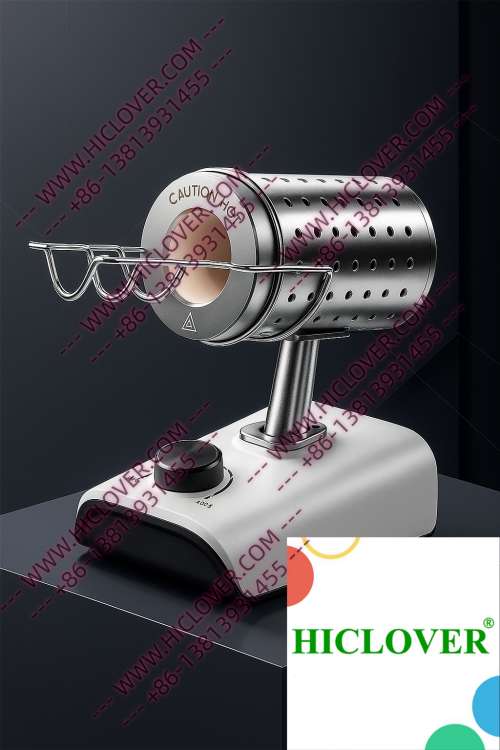
The Micro Incinerator utilizes infrared heat for rapid thermal sterilization, effectively eradicating pathogens without the use of open flames. This device features an enclosed ceramic heating chamber that reaches high temperatures, ensuring comprehensive disinfection of inoculating loops and other sterile tools in seconds. The innovative design not only minimizes the risk of cross-contamination but also streamlines the sterilization process.
Applications in Real Laboratories
The versatility of the Micro Incinerator is evident in a variety of laboratory contexts:
1. BSL-2 and BSL-3 Microbiology Labs
In higher biosafety level (BSL) laboratories, the risk of airborne pathogens necessitates extreme caution. The Micro Incinerator offers aerosol-free handling, providing a safe alternative to traditional flame sterilizers. It allows researchers to efficiently decontaminate inoculating loops or needles within a biosafety cabinet while adhering to strict safety protocols.
2. University Teaching Labs
In educational laboratories, where students frequently transfer samples, the Micro Incinerator enhances the learning experience by demonstrating safe sterilization techniques. Instructors can confidently allow students to practice their skills without worrying about the hazards associated with using alcohol lamps or Bunsen burners. Notably, this technology also reduces the likelihood of accidents, enhancing the overall teaching environment.
Compliance and Environment Considerations
With a global focus on laboratory safety, organizations like the World Health Organization (WHO) outline stringent biosafety guidelines. Laboratories are expected to meet international sterilization standards that emphasize the necessity of sterile working conditions. In clean rooms, for example, the presence of open flames poses significant contamination risks. Micro Incinerators eliminate these risks while ensuring compliance with stringent laboratory protocols.
Moreover, the transition to infrared sterilization reflects an environmentally conscious move. Unlike traditional flame sources, infrared sterilizers minimize air pollutants and eliminate waste associated with alcohol consumption, aligning with sustainable laboratory practices.
Advantages of Micro Incinerators Over Traditional Flame Sterilizers
- Rapid Thermal Sterilization: Heat generation is instantaneous, reducing downtime.
- Increased Safety: No open flame helps minimize fire hazards.
- Aerosol-Free Handling: Enhanced safety in sensitive environments like biosafety cabinets.
- Portability: Many models are compact and easy to transport to field testing locations.
- Cost-Effective: Reduced need for consumable resources such as alcohol and matches.
Micro Incinerator vs. Traditional Flame Burners
| Features | Micro Incinerator | Flame Sterilizers |
|---|---|---|
| Heat Source | Infrared Heat | Open Flames |
| Contamination Control | Excellent | Limited |
| Ease of Use | Simple and Quick | Requires Careful Handling |
| Operational Safety | High | Moderate |
| Compliance with Cleanroom Standards | Ideal | Not Suitable |
Frequently Asked Questions
What is the best way to maintain a Micro Incinerator?
Regularly clean the ceramic chamber and ensure that the power source is consistent for optimal performance.
Can Micro Incinerators be used in field environments?
Yes, many models are designed for portability, allowing safe and efficient sterilization in various settings.
What kind of samples can be sterilized using an Infrared Inoculating Loop Sterilizer?
The device is suitable for sterilizing inoculating loops, needles, and similar utensils used in microbiological research.
How does this sterilizer comply with WHO safe laboratory practices?
The Micro Incinerator meets international standards for sterilization and helps mitigate risks associated with open flames in clean environments.
Is the Micro Incinerator energy-efficient?
Yes, it is designed to use minimal energy while providing rapid high-temperature sterilization.
With proven advantages over traditional flame sterilizers and significant compliance with laboratory safety standards, the Micro Incinerator is an invaluable addition to any research facility or educational laboratory. Investing in such advanced sterilization equipment not only ensures a safe working environment but also propels scientific endeavors forward.
If your institution is committed to furthering laboratory biosafety and efficiency, consider integrating the Micro Incinerator into your sterilization workflows. For more information on purchasing or enhancing your laboratory’s sterilization capabilities, please contact us today.
Categories:
Tags: