
In the ever-evolving landscape of microbiological research, ensuring the accuracy of results is paramount. The biohazards present in samples demand rigorous sterilization protocols to mitigate contamination risks. Challenges arise in ensuring effective sterilization while maintaining workflow efficiency, especially in busy laboratory environments. One exemplary solution that has risen to prominence is the Micro Incinerator, specifically the Infrared Inoculating Loop Sterilizer. This innovative device is redefining how laboratories approach sterilization, particularly in settings that prioritize both safety and fast performance.
Understanding the Micro Incinerator: Technical Principles
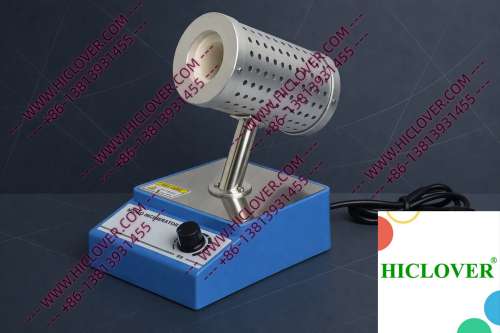
The Micro Incinerator operates on the principle of rapid thermal sterilization through infrared heat. This sterilizer features an enclosed ceramic tube, which allows for the effective and localized application of high temperatures to the inoculating loops used in microbiological sample handling. Unlike traditional alcohol lamps and Bunsen burners, the infrared sterilizer eliminates the risk of flames, allowing for clean-bench-safe operations while preventing aerosol formation that can lead to contamination.
This advanced design ensures that temperatures reach upwards of 500°C, providing rapid disinfection in mere seconds. The convenience of this system not only saves time but also enhances the overall biosafety of the workspace, addressing potential workflow demands in high-pressure laboratory environments.
Application Scenarios in Real Labs
-
Biosafety Cabinets
In BSL-2 and BSL-3 microbiology labs, strict adherence to sterilization protocols is crucial. The Micro Incinerator allows researchers to sterilize inoculating loops quickly and safely within biosafety cabinets. Its compact design ensures that researchers can work within the sterile space without introducing external contamination risks. The absence of an open flame further makes it suitable for use with volatile chemicals often handled in sophisticated microbiological studies.
-
Field Testing
For laboratories engaged in field testing, such as environmental microbiology studies, portable sterilization solutions are essential. The Infrared Inoculating Loop Sterilizer is lightweight and can efficiently sterilize equipment in remote locations. Whether in an outdoor lab or a portable testing facility, the device ensures that cross-contamination is minimized and that samples can be taken and processed accurately, without the risks posed by traditional flame-based sterilization methods.
-
What is a Micro Incinerator?
A Micro Incinerator is a modern sterilization device that uses infrared heat to sterilize inoculating loops, ensuring quick and effective disinfection without an open flame.
-
How does the Micro Incinerator compare to alcohol lamps?
The Micro Incinerator offers rapid sterilization, enhanced safety without flames, and increased contamination control compared to traditional alcohol lamps.
-
Can the Micro Incinerator be used in field testing?
Yes, the Micro Incinerator’s lightweight and portable design makes it ideal for use in various field testing scenarios, facilitating accurate sample collection without contamination risks.
-
What are the biosafety advantages of using an Infrared Inoculating Loop Sterilizer?
The Infrared Inoculating Loop Sterilizer minimizes contamination risks and adheres to WHO biosafety guidelines, making it a safe choice for BSL-2 and BSL-3 labs.
-
Is the Micro Incinerator easy to maintain?
Yes, the Micro Incinerator is designed for easy maintenance and operational efficiency, which contributes to reduced downtime in the laboratory.
Compliance with Biosafety Standards
Striving for the highest microbiological standards is fundamental. Compliance with guidelines set forth by the World Health Organization (WHO) and various laboratory sterilization standards is essential for erradicating risks associated with microbial contamination. In clean rooms and controlled environments, utilizing any open flame is prohibited due to the potential introduction of particulates and aerosols. The use of a Micro Incinerator aligns well with these regulations, offering a flame-free solution that meets stringent biosafety requirements, promoting a safer laboratory atmosphere.
Research centers in cities like London, New York, and Tokyo have adopted the Micro Incinerator in their BSL-3 facilities, demonstrating its effectiveness in maintaining biosafety compliance. This not only enhances lab operations but also contributes to global health initiatives by ensuring accurate and reliable microbial testing.
Benefits of Micro Incinerators Over Traditional Flame Sterilizers
Transitioning to Micro Incinerators provides numerous advantages to laboratories accustomed to traditional sterilization methods like Bunsen burners or alcohol lamps. Here’s a comparison:
| Feature | Micro Incinerator | Traditional Flame Sterilizers |
|---|---|---|
| Flame-Free | ✓ | ✗ |
| Rapid Sterilization | Seconds | Minutes |
| Contamination Control | High | Medium |
| Increased Safety | ✓ | ✗ |
| Portability | ✓ | ✗ |
Frequently Asked Questions
Conclusion
Ensuring accurate results in microbiological research hinges on effective sterilization practices. The Micro Incinerator / Infrared Inoculating Loop Sterilizer stands out as a pivotal tool in modern laboratories, including BSL-2, clinical diagnostics, and field testing labs. Its advanced design significantly reduces contamination risks while adhering to the highest biosafety standards.
If you are looking to enhance your laboratory’s sterilization workflow and safety, consider investing in a Micro Incinerator. For more information or to make a purchase, please contact us today!
Categories:
Tags: