
In laboratory environments, particularly those focusing on microbiology, achieving effective sterilization is a critical challenge. Traditional methods often fail to meet the rigorous demands of biosafety, especially in the context of contamination control. The introduction of Micro Incinerators, or Infrared Inoculating Loop Sterilizers, presents a significant technological advancement in ensuring clean water and preventing microbial contamination.
Understanding Micro Incinerators
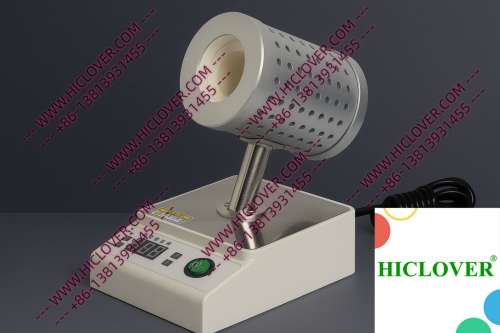
The core principle of Micro Incinerators rests on the use of infrared heat for rapid thermal sterilization. Unlike traditional flame sterilizers such as alcohol lamps or Bunsen burners, these devices utilize a contained heating mechanism within an enclosed ceramic tube. The infrared technology allows for the immediate and controlled application of high temperatures, making them ideal for sterilizing inoculating loops and other small laboratory instruments.
One of the standout features of Micro Incinerators is their clean-bench-safe operation. Without producing flames or aerosols, they are perfect for biosafety cabinets, significantly reducing the risk of airborne contamination. This makes them indispensable in laboratories operating under Biosafety Level 2 (BSL-2) and Biosafety Level 3 (BSL-3) standards where microbiological safety is paramount.
Applications of Micro Incinerators
Micro Incinerators find diverse applications in laboratory settings. Here are two prominent scenarios:
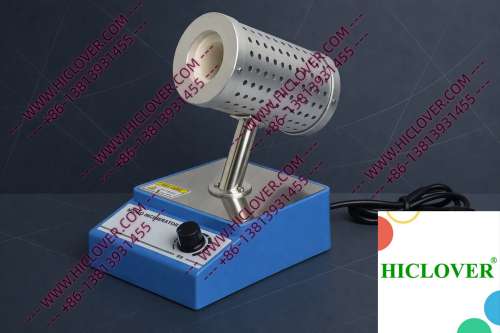
- Biosafety Cabinets: In medical and clinical microbiology labs, Micro Incinerators are typically used within biosafety cabinets. Researchers can sterilize inoculating instruments efficiently without risking contamination of samples or the workspace. This mechanism plays a vital role in ensuring that any pathogenic samples remain uncontaminated, thus yielding reliable results.
- Field Testing: Mobile or field labs often require sterilization solutions that operate effectively outside traditional lab environments. Micro Incinerators are compact and portable, making them ideal for on-site testing in remote locations. They allow for efficient sterilization without the need for bulky equipment or a power source, fulfilling requirements for real-time data collection while maintaining compliance with biosafety standards.
Compliance and Environmental Considerations
When discussing sterilization techniques in laboratories, compliance with established biosafety standards is crucial. Organizations such as the World Health Organization (WHO) outline specific guidelines for laboratory sterilization protocols to mitigate risks associated with biological agents. The micro incinerator stands out in several compliance aspects:
- No Flame in Clean Rooms: Micro Incinerators provide a flame-free sterilization method that aligns with cleanroom protocols. This feature preserves the integrity of clean environments, essential for research centers focusing on sensitive projects.
- Efficient Contamination Control: By eliminating the risk of aerosol generation, Micro Incinerators help maintain sterile workspaces, which is especially vital for laboratories dealing with pathogenic microorganisms.
- Adherence to Lab Sterilization Standards: With increasing scrutiny on laboratory practices, using technologies that adhere to modern sterilization standards ensures regulatory compliance and boosts overall laboratory safety.
Technical Advantages Over Traditional Flame Sterilizers
Comparison of Sterilization Technologies
| Feature | Micro Incinerator | Flame Sterilizers |
|---|---|---|
| Heating Mechanism | Infrared thermal sterilization | Open flame |
| Efficiency | Rapid and consistent | Variable |
| Contamination Control | Low risk of aerosol | High risk of aerosol |
| Biosafety Compliance | Meets WHO standards | May not meet all cleanroom standards |
| User Safety | Flame-free operation | Fire hazard risk |
Educational Use in University Laboratories
In educational settings, particularly in university teaching labs, Micro Incinerators serve as valuable instructional tools. They allow students to observe sterilization processes while also providing a hands-on approach to microbiological safety practices. As students learn about sterilization protocols, exposure to modern technologies reinforces their understanding of laboratory safety.
FAQs About Micro Incinerators
What is a Micro Incinerator used for?
A Micro Incinerator is primarily used for sterilizing inoculating loops, needles, and other small laboratory instruments through rapid thermal sterilization.
How does infrared sterilization differ from flame sterilization?
Infrared sterilization provides a controlled and efficient heating method without the risks associated with open flame, such as contamination and fire hazards.
Can Micro Incinerators be used in cleanrooms?
Yes, Micro Incinerators are clean-bench-safe and suitable for use in cleanrooms as they operate without open flames or aerosol generation.
Are Micro Incinerators compliant with WHO standards?
Yes, Micro Incinerators meet the necessary biosafety compliance standards recommended by WHO and other regulatory bodies.
How portable are Micro Incinerators?
Micro Incinerators are compact and lightweight, making them very portable and suitable for field testing and mobile laboratory operations.
Conclusion
The use of Micro Incinerators in laboratories signifies a leap in sterilization technology, addressing the biosafety challenges faced by modern researchers. Whether in BSL-2 microbiology labs or field testing environments, these devices ensure optimal contamination control and regulatory compliance. As the demand for reliable lab sterilization solutions grows, Micro Incinerators emerge as indispensable tools. For comprehensive information, inquiries, or purchases, please reach out to our team today!
Categories:
Tags: