
Laboratories work diligently to mitigate biosafety challenges, especially when it comes to contamination control. Traditional sterilization methods, like alcohol lamps and Bunsen burners, introduce risks such as flames and the potential for aerosol generation. In light of these challenges, the adoption of advanced sterilization equipment has become paramount in various laboratory settings. One such innovation is the Micro Incinerator, or Infrared Inoculating Loop Sterilizer, which provides a clean, efficient alternative for ensuring contamination-free microbial cultures.
Understanding the Technical Principles of Micro Incinerators
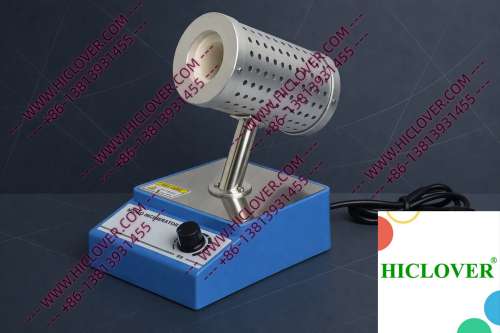
The Micro Incinerator employs infrared heat technology, which offers rapid thermal sterilization without the open flame associated with traditional sterilizers. This product utilizes a ceramic heating chamber that reaches high temperatures almost instantaneously, allowing for thorough disinfection of inoculating loops and other laboratory instruments. The enclosed ceramic tube design prevents aerosol generation, promoting a safer laboratory environment while maintaining compliance with biosafety standards.
- Rapid Thermal Sterilization: Achieves effective sterilization in seconds.
- Infrared Heating: Efficient and reduces energy consumption.
- Aerosol-Free Handling: Minimizes the risk of airborne contaminants.
Application Scenarios in Laboratory Environments
The versatility of Micro Incinerators allows them to be effectively utilized across various laboratory settings. Here are two application scenarios:
1. University Teaching Labs
In academic settings, students performing microbiology experiments need reliable sterilization equipment. The Micro Incinerator can be used in university teaching labs to ensure that inoculating loops are fully sterilized before use, providing a clear demonstration of best practices in contamination control. Its ease of use and rapid heating capability enable instructors to focus on teaching rather than on managing laborious sterilization procedures.
2. Clinical Diagnostics in BSL-2 Laboratories
In BSL-2 labs that handle moderate-risk pathogens, using an Infrared Inoculating Loop Sterilizer effectively ensures instruments are sterilized without creating a hazardous environment. Its compact size allows for easy integration into a biosafety cabinet, ensuring that all equipment remains sterile while safeguarding laboratory personnel against potential exposure to dangerous pathogens.
Biosafety Compliance and Environmental Considerations
Compliance with biosafety regulations is crucial in microbiology practices. Organizations such as the WHO have established numerous biosafety guidelines to handle microbial agents safely. Using the Micro Incinerator aligns with these guidelines because:
- It eliminates the need for open flames within the sterile workspace of clean rooms.
- It conforms to local and international sterilization standards, reducing the risk of contamination.
- It produces no harmful fumes or waste products associated with liquid alcohol burners.
Furthermore, many laboratories focusing on environmental sustainability are shifting away from traditional flame methods due to their environmental impact. The Micro Incinerator presents a compact, energy-efficient solution that maintains compliance while actively contributing to a cleaner ecosystem.
Comparison: Micro Incinerator vs. Traditional Flame Sterilizers
| Feature | Micro Incinerator | Traditional Flame Sterilizers |
|---|---|---|
| Heat Source | Infrared Heat | Open Flame |
| Speed of Sterilization | Seconds | Varies |
| Risk of Contamination | Low | High (aerosols) |
| Energy Efficiency | High | Variable |
| Ease of Use | Very Easy | Requires Training |
As highlighted in the table above, the Micro Incinerator outperforms traditional flame sterilizers in several key areas, making it an excellent choice for modern laboratory settings.
Frequently Asked Questions
What is a Micro Incinerator?
It is a sterilization device that uses infrared technology to rapidly and effectively sterilize inoculating loops and other laboratory instruments without an open flame.
Can the Micro Incinerator be used in BSL-3 labs?
Yes, it can be safely used in BSL-3 laboratories with proper protocols in place for handling hazardous materials, adding an extra layer of safety to sterilization practices.
How does the Micro Incinerator compare in safety to flame sterilizers?
It is much safer as it eliminates the risk of open flames and aerosol generation, thereby providing a cleaner and safer working environment.
Is the Micro Incinerator portable for field testing?
Yes, its compact design makes it suitable for mobile and field testing labs where rapid sterilization is essential.
What maintenance is required for a Micro Incinerator?
Regular cleaning and inspection of the ceramic heating chamber ensure optimal performance and longevity of the device.
Conclusion
In the evolving landscape of microbiological research and clinical diagnostics, employing state-of-the-art sterilization solutions is essential for maintaining contamination-free cultures. The Micro Incinerator or Infrared Inoculating Loop Sterilizer offers an innovative, efficient, and safer alternative to traditional flame sterilizers. As laboratory demands grow, transitioning to this advanced sterilization equipment not only enhances workflow but also aligns with global biosafety standards.
If you’re looking to upgrade your laboratory sterilization equipment, we encourage you to reach out and explore our range of Micro Incinerators. Contact us today for more information!
Categories:
Tags: