
Laboratory environments are continuously challenged by the need for rigorous biosafety standards, especially in Brisbane where the focus on biotechnology and medical research is intensifying. As labs handle various microbial agents and samples, a contamination-free workspace becomes paramount. One of the core aspects of maintaining such sterile conditions is through effective sterilization equipment like the Micro Incinerator or Infrared Inoculating Loop Sterilizer. This article will delve into how these modern devices improve biosafety and workflow efficiency in laboratories, addressing both the technical principles and practical application scenarios.
Laboratory Sterilization: The Need for Innovation
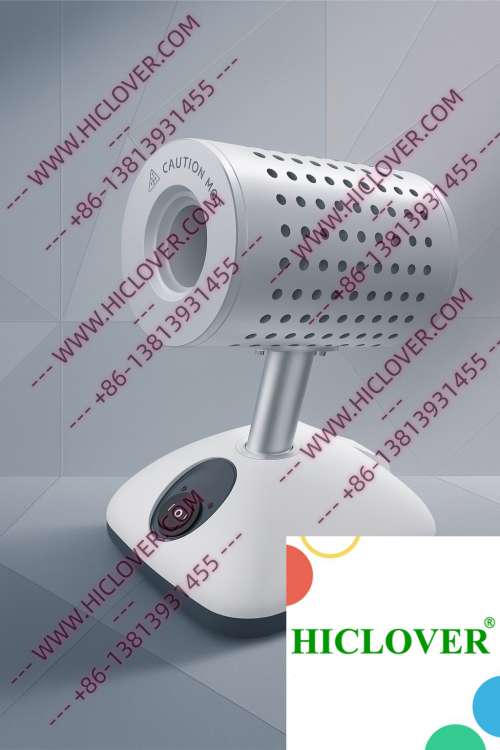
In traditional laboratory setups, practitioners often relied on flame sterilizers such as Bunsen burners or alcohol lamps. While effective in sterilization, they pose several safety hazards including open flames that can lead to contamination, unsafe aerosols, and potential fire risks in sensitive environments like biosafety cabinets. The introduction of the Micro Incinerator, which utilizes infrared technology, brings a paradigm shift in how labs approach sterilization.
How the Micro Incinerator Works
The Micro Incinerator is built around an enclosed ceramic heating chamber that uses infrared heat for rapid thermal sterilization. This technology efficiently reaches high temperatures within seconds, rendering microbial organisms inert without producing harmful aerosols. The device is engineered for clean-bench-safe handling, making it suitable for sensitivity in BSL-2 and BSL-3 microbiology labs.
Technical Specifications
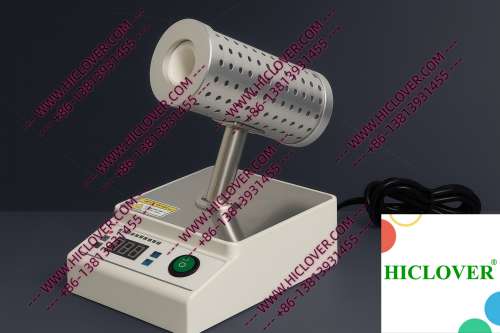
- Heating Method: Infrared heating
- Temperature Range: Up to 800°C
- Heating Chamber: Enclosed ceramic tube
- Power Consumption: Efficient and energy-saving
- Ease of Use: One-touch operation
Applications in Real Labs
1. Biosafety Cabinets
In the field of clinical diagnostics, the Micro Incinerator plays a crucial role in biosafety cabinets. These enclosed systems often need to maintain aseptic conditions during tests. Using an infrared inoculating loop sterilizer can help prevent contamination during sensitive procedures like culturing bacteria without the risk of flame exposure, thus ensuring a hazard-free workspace and compliance with stringent safety regulations.
2. Educational Institutions
University teaching labs are increasingly incorporating the Micro Incinerator into their curriculums. The ease of use and rapid sterilization capabilities help students focus on learning microbiological techniques without being concerned about flame-related risks. This innovative approach fosters a culture of biosafety among the next generation of scientists.
Compliance and Environment Considerations
Adhering to global biosafety standards is crucial, especially in research and clinical laboratories. Organizations such as WHO outline guidelines that emphasize the importance of lab sterilization as a measure to control contamination. In environments like clean rooms, the use of open flames is strictly prohibited due to the risk of particulate contamination, making the Micro Incinerator an eco-friendly alternative to traditional flame sterilizers.
Biosafety Compliance Checklist
- Follow WHO guidelines for laboratory safety
- Ensure ease of cleaning and maintenance
- Utilize aerosol-free handling systems
- Regularly test sterilization efficacy
- Incorporate equipment with energy-saving designs
Advantages Over Traditional Flame Sterilizers
When comparing the Micro Incinerator to traditional flame sterilizers like alcohol lamps or Bunsen burners, several advantages emerge:
| Features | Micro Incinerator | Flame Sterilizers |
|---|---|---|
| Operational Safety | High (no open flame) | Moderate (risk of fire) |
| Aerosol Production | None | High (can produce contaminants) |
| Heating Time | Seconds | Minutes |
| Energy Efficiency | High | Variable |
FAQs
What is a Micro Incinerator?
A Micro Incinerator is a laboratory sterilization device that uses infrared heat to sterilize inoculating loops and needles without producing harmful aerosols or requiring an open flame.
Can a Micro Incinerator be used in a BSL-2 lab?
Yes, the Micro Incinerator is suitable for BSL-2 and BSL-3 laboratories due to its enclosed design and efficient thermal sterilization capabilities.
How does infrared sterilization compare to traditional flame methods?
Infrared sterilization is faster, safer, and produces no aerosols, making it more effective than traditional flame methods that pose risks of contamination and fire.
Is it safe to operate near a CO₂ incubator?
Yes, the Micro Incinerator’s design minimizes risk, allowing it to be safely operated in proximity to CO₂ incubators and other sensitive lab equipment.
Where can I purchase a Micro Incinerator in Brisbane?
Micro Incinerators are available through various laboratory supply distributors and specialized medical equipment suppliers in Brisbane.
Conclusion
As Brisbane’s labs continue to advance in their pursuit of higher standards for biosafety and contamination control, investing in comprehensive sterilization solutions like the Micro Incinerator is no longer optional but essential. With its superior efficacy and safety features, this infrared inoculating loop sterilizer is poised to become a staple in laboratories across the region. For inquiries on purchasing or additional information, reach out to our team today and safeguard your laboratory’s future against contamination.
Categories:
Tags: