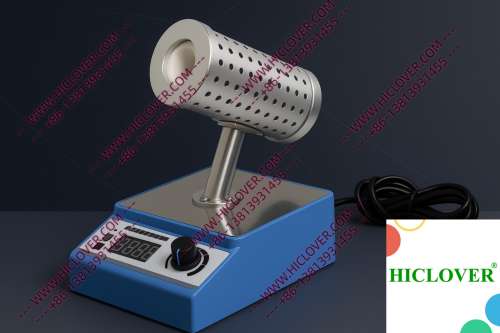
In the realm of laboratory biosafety, the importance of effective sterilization cannot be overstated. Every laboratory faces challenges surrounding contamination control, particularly when working in high-stakes environments such as BSL-2 and BSL-3 labs. As the demand for reliable sterilization workflows escalates, innovative solutions like electric heating sterilizers, specifically the Micro Incinerator or Infrared Inoculating Loop Sterilizer, are rising to prominence. In this article, we will explore how these sterilization devices enhance safety, efficiency, and compliance in various laboratory settings.
Understanding the Technical Principles
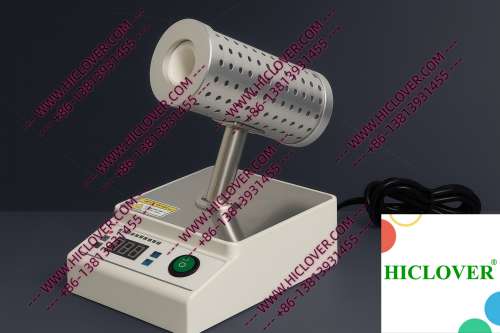
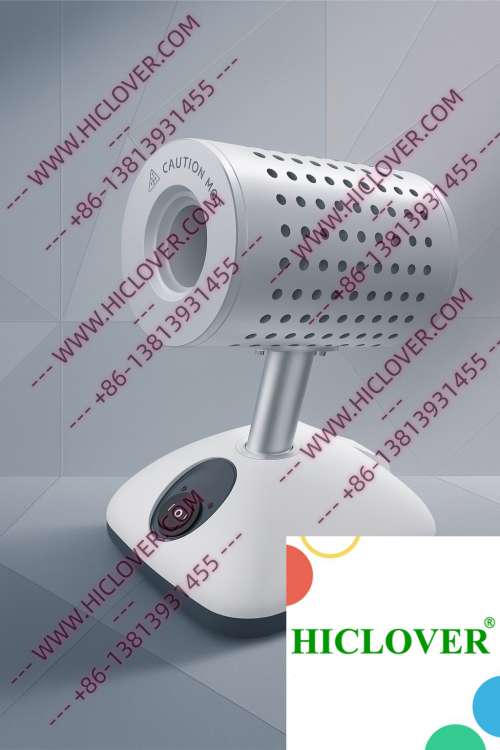
The functionality of the Micro Incinerator is built on the principles of rapid thermal sterilization. Utilizing an enclosed ceramic heating chamber, this device produces high-temperature disinfection through infrared heat. Unlike traditional flame-based sterilizers that rely on open flames, the infrared incineration method provides a safer and more controlled environment for sterilizing inoculating loops and other small instruments.
Here’s how it works: the Micro Incinerator generates focused infrared radiation, instantly heating the ceramic tube to temperatures exceeding 800°C. This dry heat sanitizes tools while ensuring fast turnaround times and minimizing the risk of aerosolization. This is especially crucial when working with volatile pathogens or in the presence of flammable materials in a clean bench setup.
Advantages Over Traditional Flame Sterilizers
While traditional methods, such as Bunsen burners and alcohol lamps, may seem familiar, they come with significant drawbacks. The following table highlights key advantages of electric heating sterilizers over traditional flame-based solutions:
| Feature | Micro Incinerator | Flame Burners |
|---|---|---|
| Temperature Control | Consistent high temperature | Variable, manual adjustment required |
| Safety | No open flames, minimal risk of burns | Exposure to open flames, high risk of accidents |
| Contamination Risk | Aerosol-free handling | Aerosol generation possible |
| Maintenance | Less frequent, easy to clean | Requires fuel, regular cleaning |
Real Laboratory Applications
1. Biosafety Cabinet Sterilization
In BSL-2 and BSL-3 labs, where biosafety is paramount, the Micro Incinerator finds a vital role. Within the confines of a biosafety cabinet, researchers can safely sterilize inoculating loops without risking contamination from flame-based methods. The infrared sterilizer enables prompt disinfection of tools between cultures, safeguarding experimental integrity and researcher health. Furthermore, its compact size and absence of an open flame ensure compliance with strict biosafety regulations, allowing for streamlined workflows.
2. Field Testing Laboratories
Field testing presents unique challenges, particularly when sterilizing equipment in outdoor environments where access to power might be limited. Here, the portable Micro Incinerator shines, providing efficient sterilization on-site without the hassle of flammable gases or electrical hazards. This capability enhances operational efficiency, enabling scientists to collect and analyze samples rapidly while maintaining contamination-free results. Whether deployed in remote locations or urban settings, this device significantly improves the safety and reliability of field research.
Compliance and Environmental Considerations
Adhering to global biosafety standards, such as those outlined by the World Health Organization (WHO), is critical for laboratories. The Micro Incinerator helps organizations meet compliance requirements by eliminating the potential risks that come with traditional flame sterilizers. Its high-temperature disinfection capability fits within the stringent norms for laboratory sterilization standards set by authorities worldwide.
Additionally, for laboratories operating clean rooms where open flames cannot be used, the Micro Incinerator provides a clean, safe alternative, ensuring that operations remain uninterrupted by contamination risks. The absence of combustion products also supports an environmentally responsible approach to sterilization, preserving both human and environmental health.
Frequently Asked Questions (FAQ)
- What is the primary advantage of using a Micro Incinerator over traditional flame sterilizers?
The Micro Incinerator offers consistent high-temperature sterilization without the risks associated with open flames, such as burns or aerosolization. - Can the Micro Incinerator be used in BSL-3 laboratories?
Yes, it is designed to meet the safety and sterilization needs of BSL-2 and BSL-3 labs, ensuring compliance with biosafety regulations. - Is the Micro Incinerator portable for use in the field?
Absolutely, the compact design allows for easy transport and use in various outdoor settings or mobile laboratories. - What is the maintenance requirement for a Micro Incinerator?
The device requires minimal maintenance, primarily focusing on keeping the ceramic heating chamber clean and free from debris. - How quickly can sterilization be achieved?
The Micro Incinerator rapidly reaches sterilization temperatures, allowing for quick disinfection of instruments to facilitate seamless lab workflows.
Conclusion
In conclusion, the adoption of electric heating sterilizers like the Micro Incinerator represents a significant advancement in laboratory sterilization technology. By addressing the critical challenges of contamination control and enhancing safety in both biosafety cabinets and field tests, this device ensures that laboratories can operate with confidence and compliance. If you are interested in learning more about how the Micro Incinerator can streamline your sterilization processes, please reach out to us for further information or to make a purchase.
Categories:
Tags: