
In modern laboratories, particularly within the UK, ensuring robust biosafety while maintaining efficient sterilization workflows is a paramount concern. Laboratory professionals face numerous challenges in contamination control, particularly when handling sensitive materials in environments such as BSL-2 and BSL-3 microbiology labs. To combat these challenges, advanced sterilization technologies like the Micro Incinerator, or Infrared Inoculating Loop Sterilizer, have emerged as essential tools in the arsenal of laboratory sterilization equipment.
Technical Principles of Infrared Loop Sterilization
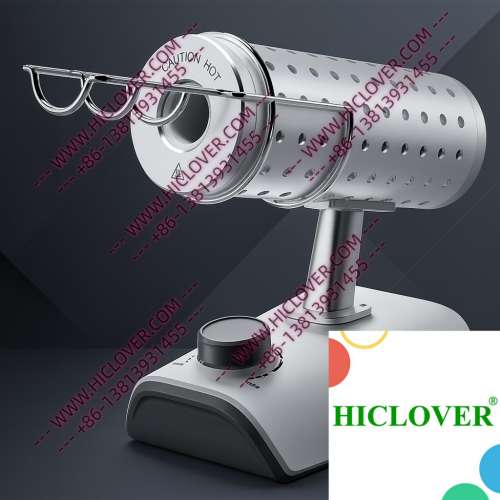
The Micro Incinerator employs the principle of rapid thermal sterilization through an enclosed ceramic heating chamber. Utilizing infrared heat, this device achieves high temperatures quickly, offering a clean, efficient method for sterilizing inoculating loops and other small instruments. Unlike traditional flame sterilizers such as alcohol lamps and Bunsen burners, the Micro Incinerator provides a flame-free operation, thereby reducing risks associated with open flames, such as accidental burns or fire hazards in cleanroom environments.
This innovative sterilizer features a durable, compact design, making it ideal for various laboratory settings—from clinical diagnostics to university teaching labs. Its reliable performance ensures that contamination risks are minimized, thereby enhancing the overall biosafety of the laboratory.
Application Scenarios in Real Labs
Let’s delve into two practical applications of the Micro Incinerator within laboratory settings:
1. Use in a Biosafety Cabinet
In a BSL-2 lab, where handling potentially infectious microorganisms is routine, the Micro Incinerator can be strategically placed inside a biosafety cabinet. This setup ensures that spores and pathogens are effectively eliminated while maintaining a controlled environment. By integrating the sterilizer into a clean bench workflow, laboratory technicians can perform aerosol-free handling, greatly reducing the risk of contamination during sterile procedures.
2. Field Testing and Mobile Labs
In mobile or field testing laboratories, portable sterilization solutions are essential. The Micro Incinerator excels in these scenarios due to its lightweight and compact design, which easily fits within field kits. When conducting environmental sampling or clinical diagnostics in remote locations, researchers can rely on the rapid high-temperature disinfection provided by this device, allowing them to maintain biosafety standards without sacrificing efficiency.
Compliance and Environmental Considerations
Adhering to rigorous biosafety regulations is crucial for UK healthcare facilities. The World Health Organization (WHO) has set specific standards for laboratory sterilization, emphasizing the importance of eliminating contamination to protect laboratory personnel and the wider community. The Micro Incinerator aligns with these regulations by providing a no-flame alternative, ideal for clean rooms and sensitive laboratory environments where airborne contaminants must be controlled.
Moreover, its ceramic heating elements are energy-efficient and produce minimal emissions, making it a more environmentally friendly option compared to traditional flame-based sterilizers. This aligns with the growing commitment towards sustainability within laboratory operations.
Comparison of Sterilization Methods
| Feature | Micro Incinerator | Traditional Flame Sterilizers |
|---|---|---|
| Heat Source | Infrared ceramic | Open flame (Bunsen burner, alcohol lamp) |
| Contamination Risk | Low (aerosol-free) | High (risk of burns and ignition) |
| Heating Time | Rapid | Variable |
| Mobility | Portable | Limited |
| Energy Efficiency | High | Variable |
Frequently Asked Questions
- What types of laboratories benefit from using a Micro Incinerator?
Micro Incinerators are suitable for BSL-2 and BSL-3 laboratories, clinical diagnostics, and teaching labs. - How does infrared sterilization compare to traditional methods?
Infrared sterilization is faster, resulting in lower contamination risks and higher energy efficiency compared to flame-based methods. - Is a Micro Incinerator safe for use in clean rooms?
Yes, its flame-free operation makes it ideal for maintaining the strict cleanliness required in cleanroom environments. - Can the Micro Incinerator be used outdoors?
Yes, its portable design makes it an excellent choice for field testing scenarios. - What maintenance does a Micro Incinerator require?
Routine maintenance includes cleaning the ceramic heating elements and ensuring the device is functioning properly.
Conclusion
In summary, the Micro Incinerator represents a significant advancement in laboratory sterilization technology, particularly for healthcare facilities across the UK. By enhancing biosafety and streamlining laboratory workflows, this innovative device addresses the pressing need for effective sterilization solutions in diverse laboratory environments.
If you are interested in elevating the sterilization capabilities of your laboratory, do not hesitate to get in touch. Our team is here to provide you with comprehensive information and assist you with your purchasing needs. Experience the excellence of the Micro Incinerator today!
Categories:
Tags: