
In the rapidly evolving landscape of laboratory biosafety, maintaining strict infection control is more crucial than ever. Facilities in Phnom Penh, whether they be clinical diagnostics, university teaching labs, or research centers, face significant sterilization workflow demands. One effective solution is the Micro Incinerator or Infrared Inoculating Loop Sterilizer, a device that addresses specific challenges associated with traditional sterilization methods.
Challenges in Laboratory Biosafety
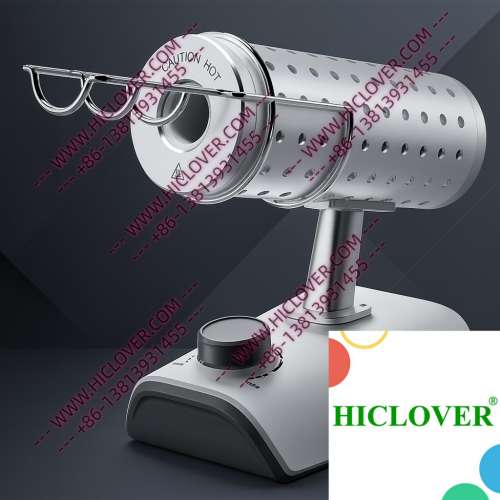
Laboratories often grapple with the threat of contamination that can compromise both experiments and public health. Traditional flame sterilizers like alcohol lamps and Bunsen burners are frequently employed but come with inherent safety risks such as open flames and aerosol generation, which can pose hazards in clean environments. Moreover, their operational inefficiency can hamper crucial workflows, particularly in BSL-2 and BSL-3 microbiology labs where sterilization precision is paramount.
Technical Principles of the Micro Incinerator
The Micro Incinerator operates on the principle of rapid thermal sterilization utilizing infrared heat through an enclosed ceramic tube. This design ensures high-temperature disinfection that minimizes aerosol generation and provides a clean-bench-safe environment. The ceramic heating chamber achieves temperatures of up to 800°C almost instantaneously, allowing for efficient sterilization of inoculating loops, needles, and other instruments within seconds.
Advantages of Micro Incinerators
- Efficiency: Rapid heat generation minimizes downtime.
- Safety: No open flames reduces fire risks.
- Eco-friendly: No alcohol fumes, promoting a healthier labor environment.
- Ease of Use: Simplifies training for laboratory personnel.
When compared with traditional flame burners, Micro Incinerators offer greater control and reliability for sterilization, making them essential in modern labs.
Application Scenarios of Micro Incinerators
1. University Teaching Labs
In educational settings, the Micro Incinerator provides a safe and efficient tool for demonstrating laboratory techniques without exposing students to flame hazards. Instructors can focus on teaching sterile techniques, knowing that instruments are quickly and effectively sanitized between uses.
2. Clinical Diagnostics and Mobile Testing
In the context of field testing, mobile labs can benefit enormously from Micro Incinerators. When conducting diagnostic tests away from traditional lab settings, having a compact, flame-free sterilization option allows researchers to maintain high biosafety standards without compromising speed or efficiency.
Compliance and Standards in Laboratory Sterilization
Complying with international biosafety standards, such as those established by the World Health Organization (WHO), is non-negotiable for laboratories conducting sensitive work. The Micro Incinerator meets and exceeds many of these standards by providing a no-flame solution that enhances safety protocols in clean rooms and biosafety cabinets. This is particularly critical in environments where contamination risk must be minimized.
Why Choose Micro Incinerators Over Traditional Flame Sterilizers?
Comparison of Micro Incinerator and Traditional Flame Burners
| Feature | Micro Incinerator | Flame Burners |
|---|---|---|
| Safety | No open flame, reduces risk of fire | Open flame, higher fire risk |
| Efficiency | Instant triage, rapid sterilization | Longer wait for flame stabilization |
| Aerosol Control | Minimized aerosol production | Aerosol generation during use |
| Eco-friendliness | No harmful fumes | Burning fuels emit fumes |
Frequently Asked Questions
What is a Micro Incinerator and how does it operate?
A Micro Incinerator is a sterilization device that uses infrared heat to achieve rapid thermal sterilization of laboratory instruments, functioning without open flames.
How does the Micro Incinerator ensure compliance with biosafety standards?
It complies with WHO biosafety standards by preventing aerosol generation and maintaining a safe working environment, which is critical in labs handling sensitive materials.
What are the ideal applications for a Micro Incinerator?
Micro Incinerators are ideal for university teaching labs, clinical diagnostics, and mobile field testing labs, offering safety and efficiency in various sterilization settings.
How does the Micro Incinerator benefit workflow in a laboratory?
Its rapid sterilization capabilities minimize downtime, allowing laboratory staff to maintain high throughput without compromising safety or quality.
Is the Micro Incinerator suitable for clean room environments?
Yes, the Micro Incinerator is designed for clean room environments, as it eliminates the risks associated with flame-based sterilization methods.
Conclusion
In an era where laboratory safety is paramount, the Micro Incinerator serves as a catalyst for improved biosafety practices in Phnom Penh’s laboratories. By leveraging advanced sterilization technology, institutions can ensure compliance, enhance workflow efficiency, and ultimately protect public health. If you are considering upgrading your sterilization equipment, contact us today for more information on the Micro Incinerator and other advanced laboratory sterilization solutions.
Categories:
Tags: