
In the rapidly evolving landscape of laboratory biosafety, the demand for reliable sterilization equipment has never been more pressing. Laboratories face significant challenges in ensuring meticulous contamination control while maintaining safety protocols to protect personnel and research integrity. With the rise in microbiological studies, research facilities in Karachi are increasingly integrating advanced sterilization technologies such as the Micro Incinerator, also known as the Infrared Inoculating Loop Sterilizer. This article delves into the critical role these devices play in biosafety, addressing vital sterilization workflows and enhancing laboratory practices.
Understanding the Technical Principles Behind Micro Incinerators
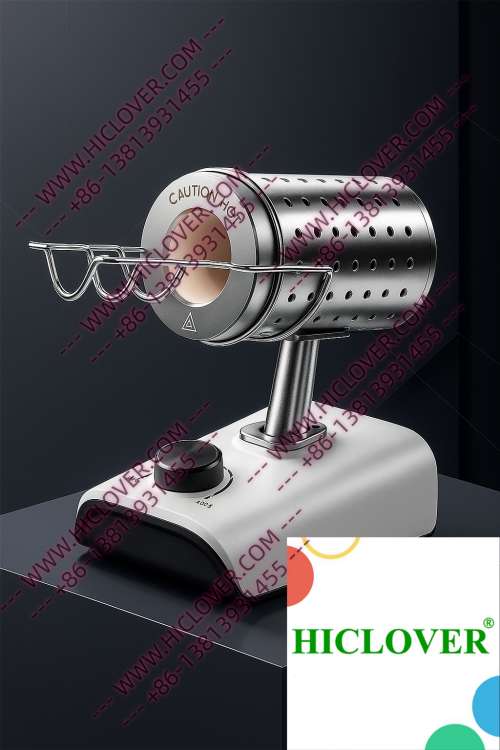
The Micro Incinerator is engineered for rapid thermal sterilization using advanced infrared heat technology. Unlike traditional flame sterilizers that pose risks of open flames and require constant monitoring, the Micro Incinerator features a state-of-the-art enclosed ceramic tube. This design not only provides high-temperature disinfection but also minimizes the risk of aerosol production, ensuring a clean-bench-safe environment.
When an inoculating loop is placed within the ceramic heating chamber, infrared radiation penetrates through to achieve temperatures exceeding 900°C almost instantaneously. This rapid heating process facilitates the effective destruction of microbial life without the use of flames, making it an ideal solution for modern laboratories where space, safety, and efficacy are paramount.
Applications of Micro Incinerators in Real Laboratory Settings
Micro Incinerators have versatile applications across various laboratory environments, facilitating efficient and safe sterilization. Here are two scenarios that highlight their practical significance:
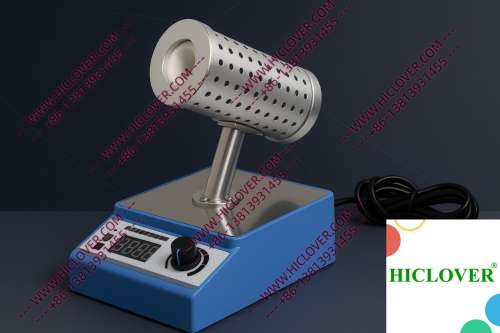
- Biosafety Cabinets: In BSL-2 and BSL-3 microbiology labs, where researchers are working with potentially hazardous pathogens, using a Micro Incinerator within biological safety cabinets allows for aseptic technique adherence. Researchers need the ability to quickly sterilize instruments and loops without disrupting the sterile airflow within the cabinet, thus maintaining the integrity of their work.
- Teaching Laboratories: University teaching labs engage students in microbiological techniques, where practical experience is crucial. Employing a Micro Incinerator minimizes the risks associated with flame sterilizers and ensures that students can focus on mastering their techniques without the fear of accidental burns or fire hazards. The infrared design supports a quick learning curve, making the unit suitable for educational purposes as well.
Compliance and Environmental Considerations
Adhering to global biosafety standards is critical for laboratories globally, including those in Karachi. The World Health Organization (WHO) lays down detailed guidelines concerning laboratory sterilization methods and practices. For instance, compliance with sterilization standards is essential in mitigating the biohazards associated with infectious agents in laboratory settings.
Moreover, in cleanroom environments, the use of flame sterilizers can produce unwanted aerosols, compromising sterility. The Micro Incinerator eliminates this concern. Its ability to provide clean, flame-free sterilization aligns with the best practices required for laboratories handling sensitive processes, such as those in CO₂ incubators or anaerobic chambers. This compliance supports not just safety but also boosts the overall efficacy of laboratory workflows.
Advantages of Micro Incinerators Over Traditional Flame Sterilizers
The advantages of utilizing Micro Incinerators are numerous when compared to traditional flame sterilizers like alcohol lamps or Bunsen burners. Here’s a brief comparison:
| Feature | Micro Incinerator | Traditional Flame Sterilizers |
|---|---|---|
| Temperature Control | Rapid and consistent heating to 900°C | Variable, dependent on external factors |
| Safety | Closed system minimizes fire hazards | Open flame poses significant risks |
| Aerosol Production | No aerosols produced | Potential for aerosol generation |
| Speed | Instantaneous sterilization | Requires pre-heating time |
Frequently Asked Questions about Micro Incinerators
- What is a Micro Incinerator?
The Micro Incinerator is a sterilization device that uses infrared heat to quickly and effectively sterilize inoculating loops and other small laboratory instruments. - How does a Micro Incinerator work?
The device generates high temperatures using infrared heat within a ceramic chamber, providing rapid thermal sterilization without open flames. - Are there specific applications for Micro Incinerators in healthcare?
Yes, they are ideal for use in clinical diagnostics, research labs, and educational settings, ensuring microbial safety in various environments. - Why is aerosol-free handling important?
Aerosol-free handling is critical to avoid contamination and to ensure sterile working conditions, particularly in biosafety cabinets. - What safety standards do Micro Incinerators meet?
Micro Incinerators are designed to meet international biosafety norms, including WHO guidelines and laboratory sterilization standards.
Conclusion: Elevate Your Laboratory Standards with Micro Incinerators
As laboratories in Karachi and beyond strive to enhance safety protocols, the integration of Micro Incinerators into sterilization workflows presents an innovative solution. Their advanced design, rapid sterilization capabilities, and compliance with safety standards make them indispensable for BSL-2/BLS-3 labs, teaching environments, and clinical diagnostics. Elevating the safety and efficacy of microbial handling is a proactive step any research facility can take.
Don’t compromise on laboratory safety—explore our high-quality Micro Incinerators today! Contact us for more information or to place an order, ensuring your research practices are optimized for success.
Categories:
Tags: