
In today’s dynamic medical landscape, maintaining high standards in laboratory biosafety is imperative. Hospitals in Islamabad are increasingly facing challenges related to sterilization workflow demands, particularly when it comes to eliminating microbial contamination. With the rise of complex pathogens and the importance of preventing cross-contamination, laboratories are pivoting towards advanced sterilization equipment such as the Micro Incinerator or Infrared Inoculating Loop Sterilizer. These devices are not only enhancing operational efficiency but also ensuring patient safety.
Technical Principles Behind Infrared Sterilization
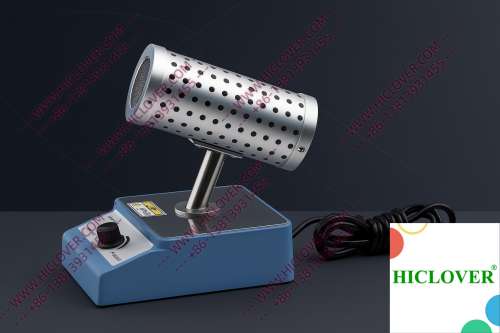
Micro Incinerators work on the principle of rapid thermal sterilization using infrared heat. Unlike traditional flame-based sterilizers, these modern devices utilize an enclosed ceramic tube that reaches high temperatures swiftly, ensuring effective disinfection without the need for open flames. This method allows for precise temperature control, achieving temperatures typically exceeding 800°C in mere seconds.
The infrared high-temperature disinfection process is extremely effective in ensuring that inoculating loops and other laboratory tools are free of contaminants. The lack of open flames not only reduces the risk of fire in sensitive environments, such as biosafety cabinets, but also minimizes the generation of aerosols, making it a clean-bench-safe choice.
Practical Applications in Laboratories
1. **Biosafety Cabinets and Teaching Labs:** In educational institutions and research facilities where operations frequently involve BSL-2 or BSL-3 microbes, maintaining sterility is paramount. The Micro Incinerator provides a reliable and efficient means of sterilization within biosafety cabinets, allowing for safe manipulation of cultures while maintaining a sterile environment. It seamlessly integrates into the sterile workflow, ensuring that researchers and students operate with minimal risk of contamination.
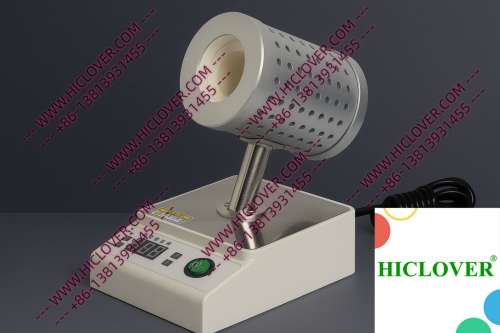
2. **Field Testing and Mobile Labs:** In regions where infrastructure is challenging, such as remote areas of Islamabad used for field testing, portable Micro Incinerators enable rapid sterilization on-site. This capability boosts operational efficiency, ensuring that samples collected in the field are handled with the utmost safety upon analysis, thereby maintaining integrity and reliability in clinical diagnostics.
Compliance and Environmental Considerations
Globally, there is a concerted effort toward adhering to biosafety standards established by organizations like the World Health Organization (WHO). These standards often delineate strict guidelines regarding laboratory sterilization protocols, especially where no flames are permitted in clean rooms. Traditional flame sterilizers such as alcohol lamps and Bunsen burners are increasingly being scrutinized for their shortcomings, including air contamination and inconsistent temperature delivery.
Furthermore, the Micro Incinerator offers a significant environmental advantage. Its efficient heating mechanism means that less energy is expended to reach sterilization temperatures. This not only aids in reducing operational costs but also aligns with the growing need for sustainability within healthcare settings. Implementing such innovative equipment presents an opportunity for both compliance and environmental stewardship.
Advantages of Micro Incinerators Over Traditional Flame Sterilizers
| Feature | Micro Incinerator | Flame Burners |
|---|---|---|
| Temperature Control | Precise, rapid heating up to 800°C | Variable, dependent on user experience |
| Safety | No open flame, reduced aerosol generation | Open flame can create fire hazards |
| Energy Efficiency | Lower energy consumption | Higher energy consumption |
| Operational Versatility | Portable for field use | Stationary; less suitable for field applications |
| Contamination Control | Aerosol-free handling | Aerosols may be generated |
FAQs
What is a Micro Incinerator, and how does it work?
A Micro Incinerator is a laboratory sterilization device that utilizes infrared heat for rapid thermal sterilization of inoculating loops. The enclosed ceramic tube creates high temperatures to effectively eliminate microbial contaminants without flames.
Why is sterilization important in laboratories?
Sterilization is crucial in laboratories to prevent contamination, ensure accurate results, and maintain safety protocols, especially when dealing with pathogenic microorganisms.
How does the Micro Incinerator enhance laboratory workflows?
By providing rapid and effective sterilization, the Micro Incinerator allows for quicker turnaround times in experiments, reduces the risks associated with open flames, and integrates seamlessly into biosafety cabinet setups.
Where can I use a Micro Incinerator?
Micro Incinerators can be used in various settings, including university teaching labs, clinical diagnostics facilities, mobile testing laboratories, and research environments dealing with biohazardous materials.
Are there specific regulations for sterilization equipment in hospitals?
Yes, hospitals must adhere to strict biosafety regulations and lab sterilization standards, including those set forth by international organizations like WHO, to ensure patient safety and environmental compliance.
Conclusion
As laboratories in Islamabad strive for continuous improvement in patient safety and laboratory efficiencies, the adoption of Micro Incinerators stands paramount. These potent sterilization devices not only offer technical advantages over traditional flame sterilizers but also help laboratories comply with critical biosafety regulations. Reach out to us today to learn more about integrating the Micro Incinerator into your sterilization workflows and elevate your laboratory’s safety standards!
Categories:
Tags: