
In modern laboratory environments, particularly in PCR labs, maintaining a sterile workspace is crucial for ensuring the accuracy of results and the safety of personnel. Biosafety challenges such as cross-contamination, aerosol generation, and the need for efficient sterilization protocols have propelled the adoption of advanced sterilization equipment. Among these, the Micro Incinerator, or Infrared Inoculating Loop Sterilizer, stands out as a cutting-edge solution designed to meet the rigorous demands of laboratory sterilization.
Understanding Advanced Sterilization Technology
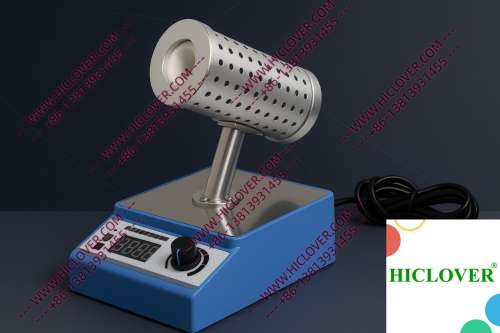
The Micro Incinerator employs infrared heat to provide rapid thermal sterilization within an enclosed ceramic heating chamber. The principle behind its functionality is simple yet effective: the device generates high temperatures that eliminate pathogens without the use of open flames. Unlike traditional flame sterilizers such as alcohol lamps or Bunsen burners, which can produce aerosols and create contamination risks, the Micro Incinerator ensures clean-bench-safe operations, making it ideal for high-stakes procedures.
With its efficient design, the Micro Incinerator offers precise control over sterilization temperatures, typically reaching up to 800°C. This high-temperature disinfection process is essential for preventing contamination, especially during critical procedures like polymerase chain reaction (PCR) tests, where even the smallest contamination can lead to false results.
Applications in Real Laboratory Settings
To understand the practical application of the Micro Incinerator, let’s explore a couple of scenarios where this innovative sterilization tool shines.
1. University Teaching Labs
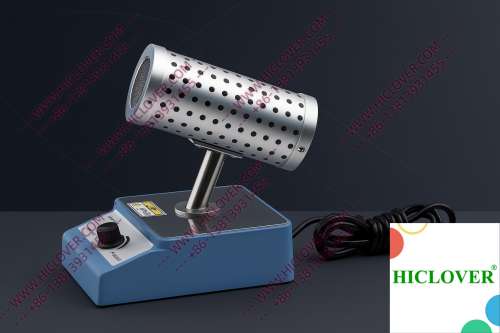
In the educational setting of university teaching labs, students are introduced to microbiological techniques. The need for safe and effective sterilization methods is paramount. Utilizing the Micro Incinerator allows students to practice inoculation and sterile techniques with reduced risk of contamination. The infrared sterilizer’s rapid thermal capabilities enhance learning efficiency, ensuring students spend less time waiting for equipment to cool down between uses.
2. Field Testing in BSL-2 Laboratories
In the context of biosafety level 2 (BSL-2) labs, such as those focused on clinical diagnostics or infectious disease research, field testing procedures demand high standards of sterilization. The portability and efficiency of the Micro Incinerator make it a preferred choice for researchers working in dynamic environments. By using the device within a biosafety cabinet, researchers can maintain compliance with laboratory safety standards while effectively sterilizing inoculating loops and other instruments in real-time, reducing the risk of airborne contaminants.
Compliance and Environmental Considerations
Incorporating advanced sterilization equipment into laboratory workflows supports compliance with stringent biosafety regulations set forth by organizations such as the World Health Organization (WHO). Regulations dictate that laboratories must implement methods that ensure effective sterilization without posing additional safety risks, such as open flames in clean rooms.
The Micro Incinerator aligns with these standards, minimizing the likelihood of flammable material ignition and reducing aerosol generation, particularly critical in BSL-3 labs handling hazardous microorganisms. By adhering to sterilization standards that prioritize safety and efficacy, laboratories can enhance their operational integrity while ensuring the safety of their personnel.
Comparative Analysis: Micro Incinerator vs. Traditional Flame Sterilizers
| Feature | Micro Incinerator | Traditional Flame Sterilizers |
|---|---|---|
| Temperature Control | High precision with rapid heating | Dependent on user skill |
| Contamination Risk | Low (aerosol-free) | High (aerosol generation) |
| Operational Safety | Flame-free operation | Risk of burn and ignition |
| Ease of Use | Simple on/off operation | Requires careful technique |
Frequently Asked Questions
- What is a Micro Incinerator? A Micro Incinerator is an advanced sterilization tool that uses infrared heat to sterilize inoculating loops and other laboratory tools quickly and safely.
- How does infrared sterilization differ from traditional flame sterilization? Infrared sterilization eliminates contaminants without producing aerosols, whereas traditional flame sterilization can generate harmful particles.
- Can the Micro Incinerator be used in BSL-3 laboratories? Yes, it is suitable for BSL-3 operations, ensuring compliance with strict biosafety regulations while enhancing workflow.
- Is the Micro Incinerator easy to use for students? Absolutely! Its user-friendly design makes it an excellent tool for educational environments.
- How does this sterilization method contribute to environmental safety? By reducing aerosol emissions, the Micro Incinerator minimizes the environmental impact of laboratory sterilization procedures.
Conclusion
In an era where laboratory precision and safety are paramount, investing in advanced sterilization equipment like the Micro Incinerator is not just beneficial—it is essential. This innovative tool meets the demanding sterilization needs of PCR labs and beyond, while ensuring compliance with rigorous safety standards.
For laboratories dedicated to accuracy, efficiency, and safety, the Micro Incinerator is a game-changer. For inquiries or to learn more about acquiring this indispensable device for your lab, don’t hesitate to reach out!
Categories:
Tags: