
In today’s fast-paced laboratory environments, ensuring safety and hygiene is a top priority for healthcare professionals. From BSL-2 microbiology labs to classroom settings, effective sterilization of tools and surfaces is paramount to combat contamination risks. Traditional flame sterilizers, while time-honored, often pose challenges, leading to a shift toward innovative solutions like the Micro Incinerator / Infrared Inoculating Loop Sterilizer. This article explores the practical benefits of modern sterilization techniques, their application in various settings, compliance with biosafety standards, and how they enhance workflow efficiency.
Addressing Laboratory Biosafety Challenges
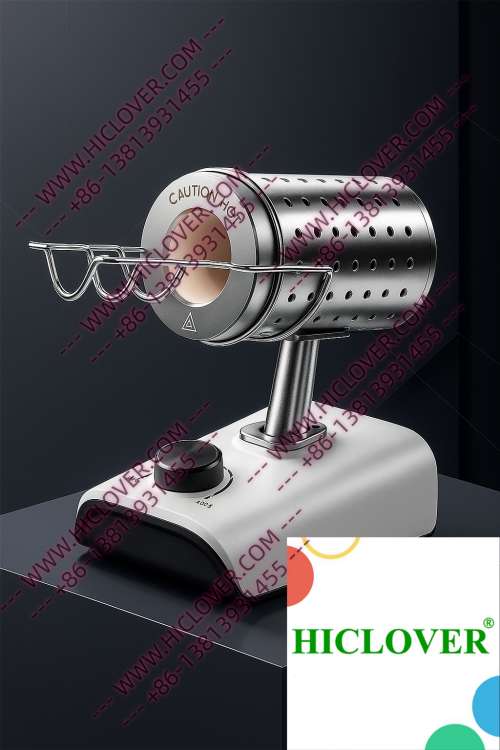
Laboratories are often breeding grounds for pathogens, making the necessity of rigorous sterilization protocols evident. Traditional methods, such as Bunsen burners and alcohol lamps, can introduce the risks of flames and increased aerosol production. These methods are not only safety hazards but also less efficient in terms of time management, complicating sterilization workflows. The introduction of the Micro Incinerator, which operates via infrared heat and enclosed ceramic tubes, offers a revolutionary approach in maintaining hygiene while significantly mitigating these risks.
Technical Principles of the Micro Incinerator
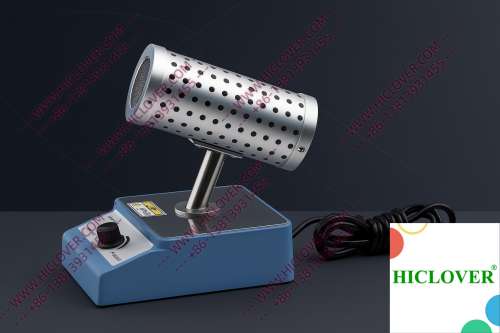
The Micro Incinerator utilizes infrared high-temperature disinfection to rapidly sterilize inoculating loops and other small laboratory tools. This device features a ceramic heating chamber that provides consistent, high-temperature heat without open flames, enabling clean-bench-safe operation in sterile environments.
When in use, the inoculating loop is placed within the closed chamber, allowing localized and efficient sterilization. This method ensures that tools are not only free of contaminants but also free from the risks associated with traditional flame-based methods. The absence of flame means less heat damage to sensitive equipment and materials, creating a safer working environment.
Applications in Real Laboratory Settings
The Micro Incinerator is versatile and finds application across various laboratory environments:
- Biosafety Cabinets: In BSL-2 and BSL-3 labs, where the handling of pathogenic microorganisms is necessary, traditional flame sterilizers are often prohibited due to increased aerosol risks. The Micro Incinerator’s enclosed design allows safe and effective sterilization without disturbing the biosafety cabinet’s controlled environment.
- University Teaching Labs: For educational institutions, teaching the principles of microbiology while ensuring lab safety is crucial. The Micro Incinerator enables students to practice sterilization techniques safely, thereby fostering a culture of hygiene and safety in future professionals.
- Mobile Testing Labs: In field testing scenarios, where immediate results and safety are a priority, this sterilizer provides a reliable method for sterilizing equipment on-site, free from the constraints that come with traditional flame methods.
Compliance with Biosafety Standards
Meeting compliance and safety standards is essential in laboratory settings. The World Health Organization (WHO) outlines guidelines on biosafety practices, emphasizing the importance of effective sterilization methods in controlling the spread of infectious agents.
Traditional flame-based systems pose challenges in clean rooms where no open flames are permissible. The Micro Incinerator, on the other hand, aligns with standard operating procedures as it operates safely within these constraints. Its design and functionality not only meet but often exceed laboratory sterilization standards, providing a reliable solution for laboratories aiming for maximum compliance.
Micro Incinerator vs. Traditional Flame Sterilizers
| Feature | Micro Incinerator | Traditional Flame Sterilizers |
|---|---|---|
| Heat Source | Infrared enclosed heating | Open flame |
| Safety | Flame-free operation | Potential fire hazards |
| Efficacy | Rapid thermal sterilization | Variable due to flame control |
| Cleanroom Compatibility | Yes | No |
| Maintenance | Low | Moderate to High |
Frequently Asked Questions
- What is the primary advantage of using a Micro Incinerator over a Bunsen burner?
The primary advantage is the absence of an open flame, which reduces risks of fire hazards and heat damage while ensuring thorough sterilization through infrared heat. - How does the infra-red sterilization process work?
The Micro Incinerator uses high-temperature infrared radiation within a ceramic tube to rapidly and effectively sterilize inoculating loops by destroying contaminants without the need for flame. - Can the Micro Incinerator operate in a biosafety cabinet?
Yes, its design is suitable for use in biosafety cabinets, providing a safe approach to sterilization without generating aerosols. - Is the Micro Incinerator compliant with international biosafety guidelines?
Absolutely. It meets and exceeds WHO biosafety standards, making it an excellent choice for laboratories focusing on infection control. - Is the device suitable for field testing?
Yes, its portability and efficiency make it ideal for mobile labs and field testing environments that require quick and reliable sterilization.
Conclusion
The Micro Incinerator / Infrared Inoculating Loop Sterilizer represents a vital advancement in laboratory sterilization equipment, ensuring safety and compliance across various applications. By reducing contamination risks and integrating smoothly into existing laboratory workflows, it serves as a powerful tool in maintaining the highest standards of hygiene. If you’re looking to elevate your laboratory’s safety protocols, consider investing in the Micro Incinerator today. For inquiries or to request a quote, please contact us!
Categories:
Tags: