
In the field of laboratory biosafety, ensuring the safe and efficient sterilization of instruments is a critical challenge. Russia’s laboratories are increasingly confronted with stringent sterilization workflow demands amidst growing concerns regarding contamination control. The advent of innovative sterilization equipment such as the Micro Incinerator or Infrared Inoculating Loop Sterilizer offers a modern solution to enhance safety protocols and improve overall laboratory efficiency.
Challenges in Laboratory Biosafety and Sterilization Workflow
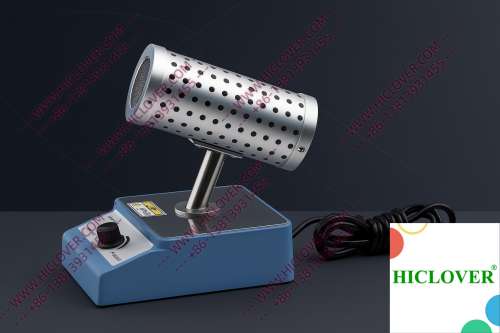
Laboratories handling pathogenic microorganisms, particularly in BSL-2 and BSL-3 settings, face significant challenges related to contamination control. Traditional methods like alcohol lamps and Bunsen burners often generate aerosols, posing risks not only to lab personnel but also potentially affecting experiment accuracy. These flame-based sterilizers provide adequate sterilization but lack the precision and safety features demanded by modern laboratories.
This is where loop sterilizers come into play, revolutionizing the sterilization process through rapid thermal sterilization methods that do not compromise safety.
Understanding the Micro Incinerator/Infrared Inoculating Loop Sterilizer
The Micro Incinerator features an enclosed ceramic heating chamber that uses infrared heat to achieve high-temperature disinfection swiftly. By thermally sterilizing inoculating loops, needles, and other small instruments within seconds, this equipment reduces the risk of contamination effectively.
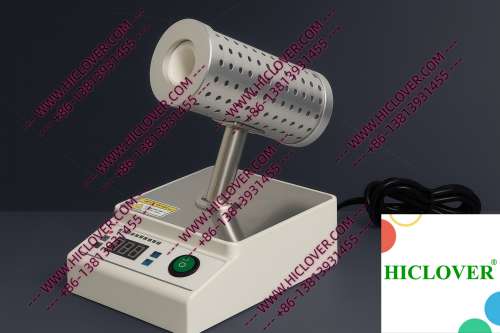
Unlike traditional sterilizers, infrared technology ensures that sterilization occurs without an open flame, making it entirely suitable for clean room applications. The temperature can be rapidly adjusted, allowing for flexibility in sterilization protocols tailored to specific laboratory needs.
Technical Principle of Operation
The Micro Incinerator excels in utilizing ceramic tubes that emit uniform infrared heat. This method ensures that the inoculating loops are uniformly heated, leading to comprehensive sterilization. The closed system prevents the escape of pathogens or harmful aerosols into the laboratory environment, maintaining strict biosafety standards.
Application Scenarios in Real Labs
Scenario 1: Teaching Labs in Universities
In educational settings, such as university biology and microbiology courses, the Micro Incinerator serves as an essential teaching tool. With numerous students handling inoculating loops for microbial cultures, the infrared sterilizer allows for constant and quick sterilization without the risks associated with flame-based systems. Instructors can easily demonstrate proper sterilization techniques, enhancing both safety and learning outcomes in practical settings.
Scenario 2: Field Testing Laboratories
Field testing operations in remote locations often lack the infrastructure for traditional laboratory setups. Here, the Micro Incinerator becomes invaluable — its portability and battery-operated options enable seamless sterilization of equipment on-site, particularly for clinical diagnostics in rural Russian areas. The absence of an open flame mitigates hazards in potentially combustible environments, ensuring researcher safety while maintaining the integrity of their work.
Biosafety Compliance and Environmental Considerations
With organizations such as the World Health Organization (WHO) setting biosafety standards, laboratories in Russia must align with recommended practices for sterilization. Compliance with international biosafety guidelines is paramount, particularly in clean rooms where flame sterilizers are prohibited. The Micro Incinerator’s design integrates these compliance requirements, providing a safer alternative without the risks associated with fire hazards.
Comparison Table: Micro Incinerator vs. Traditional Flame Burners
| Feature | Micro Incinerator | Flame Burners |
|---|---|---|
| Mode of Sterilization | Infrared Heat | Open Flame |
| Airborne Contaminants | Aerosol-Free | Potentially Generates Aerosols |
| Safety in Clean Rooms | Yes | No |
| Cooling Time | Rapid | Slower |
- Safer operation with no open flame
- Increased efficiency with rapid thermal sterilization
- Versatile use in various laboratory environments
FAQs About Micro Incinerators
1. How does the Micro Incinerator differ from traditional sterilizers?
The Micro Incinerator uses infrared heat for sterilization, making it safer and quicker compared to traditional flame-based sterilizers.
2. Is the Micro Incinerator compliant with WHO biosafety standards?
Yes, it meets and exceeds the biosafety standards as recommended by WHO, particularly suitable for BSL-2 and BSL-3 laboratories.
3. Can the Micro Incinerator be used in field testing?
Absolutely, its portable design allows for safe sterilization in remote locations where traditional sterilization setups may not be feasible.
4. What makes infrared sterilization environmentally friendly?
The enclosed system eliminates aerosol generation and minimizes energy waste, aligning with green laboratory practices.
5. Is training required to use the Micro Incinerator?
While basic operation is straightforward, training is advised to ensure compliance with safety protocols and effective use in sterilization.
Conclusion: Elevating Laboratory Standards in Russia
As the demand for laboratory safety and efficiency continues to rise, incorporating advanced sterilization equipment like the Micro Incinerator into Russian health labs is essential. With its advantages over traditional methods, this infrared inoculating loop sterilizer facilitates a cleaner, safer environment while adhering to international biosafety standards. For more information on how to elevate your laboratory practices and improve compliance, do not hesitate to reach out for inquiries or direct purchasing options.
Categories:
Tags: