
In Brazil, as in many nations, laboratories face significant biosafety challenges amid the escalating demand for effective infection control. The presence of infectious agents in clinical diagnostics, research, and academic settings emphasizes the need for reliable sterilization methods. The Micro Incinerator, also known as the Infrared Inoculating Loop Sterilizer, is rapidly changing how Brazilian laboratories tackle these challenges, offering an efficient, rapid, and clean alternative to traditional flame sterilizers.
The Rise of Loop Sterilizers in Laboratory Safety
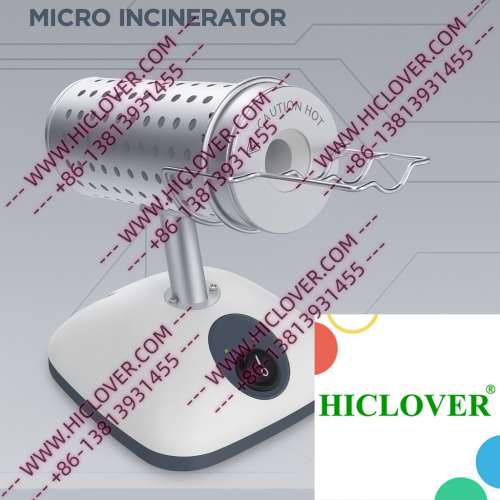
Understanding the intricacies of laboratory workflow is paramount in achieving optimal biosafety standards. The Infrared Inoculating Loop Sterilizer functions through a unique technical principle of infrared heat. This device employs an enclosed ceramic heating chamber that generates high-temperature disinfection without the hazards associated with open flames. The absence of flames not only enhances safety but also significantly reduces the risk of cross-contamination—a crucial concern in BSL-2 and BSL-3 microbiology labs.
Key Advantages Over Traditional Flame Sterilizers
When comparing Micro Incinerators to traditional options such as alcohol lamps and Bunsen burners, it’s clear that the benefits extend well beyond just the absence of a flame. Here are some advantages:
- Rapid Thermal Sterilization: Infrared technology allows for almost instantaneous sterilization of inoculating loops.
- Contamination Control: The enclosed design prevents environmental aerosol contamination.
- Clean-bench-safe: Ideal for use in biosafety cabinets, ensuring a sterile workspace.
- Energy-efficient: Uses less energy while delivering superior performance compared to flame sources.
- WHO biosafety protocols
- Environmental control measures
- Guidelines for using sterilizers in clean rooms
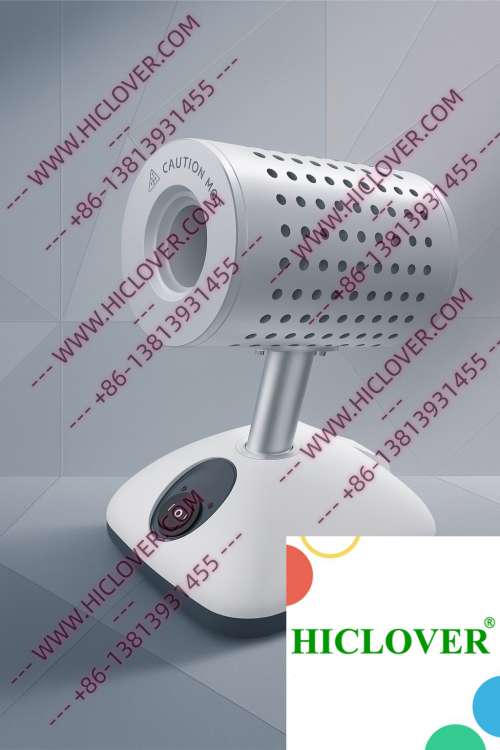
Application Scenarios in Brazilian Laboratories
Micro Incinerators have showcased their versatility across various scenarios in Brazilian laboratories:
Biosafety Cabinets
A significant proportion of laboratories now operate within biosafety cabinets. In these controlled environments, the use of traditional flame sterilizers can be risky. The Infrared Inoculating Loop Sterilizer provides a flame-free sterilization method, aligning perfectly with the biosafety practices expected in such sensitive settings.
Field Testing
Field testing is another prime application scenario for the Micro Incinerator. In remote locations, where accessibility to power sources may be limited, this portable sterilization device offers a reliable solution for maintaining sterile conditions. This adds immense value in diverse settings, including agricultural research and environmental monitoring.
University Teaching Labs
Educational institutions across Brazil increasingly adopt the Micro Incinerator in teaching laboratories. The safety features—combined with the device’s ease of use—enable students to familiarize themselves with modern sterilization techniques, setting a new standard in laboratory training.
Biosafety Compliance and Environmental Standards
Ensuring compliance with biosafety regulations, including WHO guidelines and local health standards, is vital for laboratories in Brazil. With increasing scrutiny on laboratory practices, the Micro Incinerator stands out as a compliant solution. Its design adheres to the stringent lab sterilization standards set forth by various health authorities, including:
The ability to eliminate the need for open flames in clean environments enhances personal safety and safeguards experiments from external contaminants.
Comparison Table: Micro Incinerator vs. Flame Burners
| Feature | Micro Incinerator | Flame Burners |
|---|---|---|
| Flame-Free Operation | ✔️ | ❌ |
| Rapid Sterilization | ✔️ | ✔️ |
| Contamination Control | ✔️ | ❌ |
| Clean Room Compatibility | ✔️ | ❌ |
| Energy Efficiency | ✔️ | ❌ |
FAQs About Micro Incinerators
1. What is a Micro Incinerator?
A Micro Incinerator is an advanced sterilization device that uses infrared heat to effectively sterilize inoculating loops without an open flame.
2. How long does it take to sterilize an inoculating loop?
The Micro Incinerator typically achieves sterilization in seconds, significantly faster than traditional methods.
3. Can I use it in a biosafety cabinet?
Yes, the Micro Incinerator’s flame-free operation makes it ideal for use within biosafety cabinets.
4. Is the Micro Incinerator environmentally friendly?
Yes, it is designed with energy efficiency in mind and does not produce harmful emissions like traditional flame sterilizers.
5. What makes it safer than traditional methods?
Its enclosed design minimizes the risk of accidents or contamination, making it a sound choice for laboratories focused on safety.
Conclusion
With the increasing emphasis on laboratory safety and compliance in Brazil, Micro Incinerators play a pivotal role in the transformation of infection control practices. Their rapid thermal sterilization, safety features, and adherence to biosafety standards make them essential tools in any laboratory’s sterilization toolkit. For laboratories, educational institutions, and research centers looking to improve infection control, investing in high-quality Infrared Inoculating Loop Sterilizers is a step toward a safer and more efficient laboratory environment. Contact us today to learn more about our range of sterilization equipment and how it can enhance your laboratory’s workflows.
Categories:
Tags: