
In today’s fast-paced research environments, especially in clinical diagnostics and microbiology, the importance of effective sterilization practices cannot be overstated. Laboratories face significant biosafety challenges that necessitate a reliable and efficient workflow for contamination control. Traditional flame sterilizers, such as alcohol lamps and Bunsen burners, while historically used, carry risks of aerosol generation and open flames—hazards that today’s labs strive to avoid. Thankfully, innovations in sterilization technology, particularly the Micro Incinerator or Infrared Inoculating Loop Sterilizer, have transformed laboratory sterilization capabilities.
Understanding the Micro Incinerator
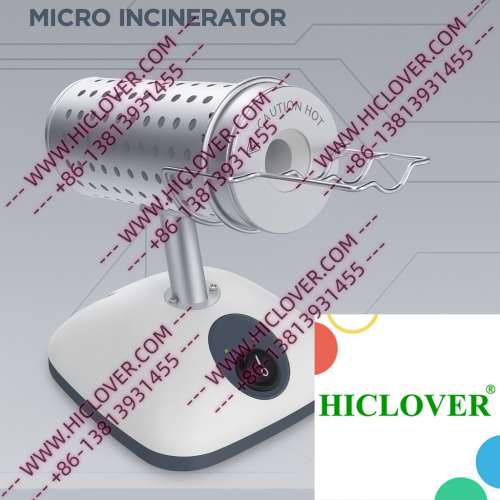
The Micro Incinerator employs advanced infrared heat technology to deliver rapid thermal sterilization, providing an effective means of eliminating contaminants from inoculating loops and other laboratory instruments. With an enclosed ceramic heating chamber, this device reaches high temperatures in mere seconds, ensuring a quick turnaround while maintaining a clean and safe workspace. Unlike traditional flame sterilizers, which can produce potentially harmful aerosols and pose risks within a biosafety cabinet, the Micro Incinerator provides a flame-free alternative that is clean-bench-safe.
Application Scenarios in Real Labs
1. Biosafety Cabinet Usage: In BSL-2 and BSL-3 laboratories, where microbial agents can pose serious health risks, the Micro Incinerator can be integrated within a biosafety cabinet to offer researchers an enhanced layer of safety. Scientists can quickly and effectively sterilize their inoculating loops without worry of flames disrupting the sterile environment. The rapid sterilization capability allows for smooth workflow and minimizes contamination risk during critical procedures.
2. Field Testing and Mobile Labs: In field testing settings, such as environmental microbiology studies, sterilization equipment often needs to be portable and efficient. The Micro Incinerator’s compact nature allows field researchers to conduct experiments without compromising safety. It is particularly beneficial for applications needing rapid sterilization without the weight of traditional equipment, ensuring researchers can maintain workflow efficiency while adhering to sterilization protocols.
Compliance & Environment Considerations
Compliance with biosafety regulations and sterilization standards is crucial for laboratories worldwide. Organizations such as the World Health Organization (WHO) provide guidelines that dictate proper sterilization practices. The Micro Incinerator aligns with these standards, ensuring that laboratories can operate at the highest safety levels while complying with international norms. Additionally, in cleanrooms and research labs where no flame is permitted, the infrared sterilization methods provide an ideal solution, maintaining both safety and compliance.
- Conforms with WHO biosafety regulations.
- No direct flame, reducing risk in sterile environments.
- Quick sterilization cycle promotes efficient laboratory workflow.
- Minimizes risk of aerosol generation, enhancing operator safety.
Advantages of Micro Incinerator Over Traditional Flame Sterilizers
The evolution from flame sterilizers to infrared technology presents numerous advantages:
| Feature | Micro Incinerator | Flame Sterilizers (e.g., Bunsen Burners) |
| Aerosol Generation | No | Yes |
| Flame-Free Operation | Yes | No |
| Temperature Regulation | Consistent | Variable |
| Workflow Efficiency | Rapid | Slower |
Frequently Asked Questions
- How does the Micro Incinerator ensure consistent sterilization?
The enclosed ceramic heating chamber delivers uniform infrared heat, providing rapid and effective sterilization of instruments. - Is it safe for use in a BSL-2 or BSL-3 lab environment?
Yes, the Micro Incinerator is designed to comply with biosafety standards, making it suitable for high-containment lab settings. - What makes infrared sterilization preferable to traditional flame methods?
Infrared sterilization minimizes aerosol production and provides efficient, controlled heating in a clean environment. - Can it be used for field testing applications?
Absolutely! Its compact design makes it ideal for mobile laboratories, ensuring safe sterilization on-site.
Market Needs and Innovations
The demand for advanced sterilization technologies is steadily rising among hospitals, universities, and research centers, especially in urban areas such as Tucson. As laboratories increasingly prioritize rapid, efficient, and safe sterilization processes, the Micro Incinerator stands out as a leading choice for institutions looking to enhance their sterilization workflows. Incorporating this innovative technology into laboratory practices not only improves safety but also increases productivity.
Conclusion
The landscape of laboratory sterilization is evolving, with the Micro Incinerator at the forefront of this transformation. Its unparalleled efficiency, safety features, and compliance with biosafety standards make it an essential addition to modern laboratories. To learn more about how the Micro Incinerator can revolutionize your laboratory practices, don’t hesitate to reach out for detailed product information and purchasing options.
Categories:
Tags: