
In modern laboratories, particularly those engaged in microbiological research, ensuring the safety and integrity of biological samples is paramount. This is especially true for environments working with BSL-2 and BSL-3 agents where contamination control is a critical concern. Traditional sterilization methods, such as alcohol lamps and Bunsen burners, pose significant challenges, including incomplete sterilization and potential fire hazards. As a solution, innovative sterilization methods, specifically the Micro Incinerator or Infrared Inoculating Loop Sterilizer, are rapidly gaining traction.
Understanding Micro Incinerators
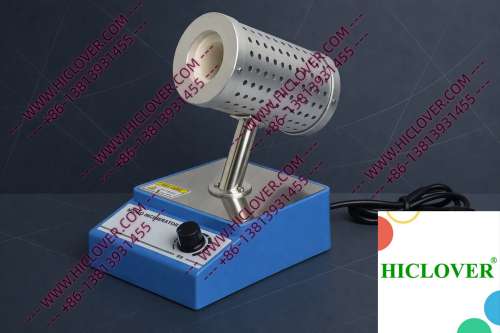
The Micro Incinerator operates on the principle of rapid thermal sterilization using an enclosed ceramic heating chamber. Unlike flame-based sterilizers, the Micro Incinerator utilizes infrared technology to provide high-temperature disinfection effectively and swiftly. Its ability to reach high temperatures (typically over 800°C) allows for the immediate sterilization of inoculating loops and other small tools without the drawbacks associated with open flames.
- Environmental Safety: No open flames make it suitable for clean rooms.
- Efficiency: Fast sterilization cycles significantly enhance laboratory workflow.
- Contamination Prevention: Aerosol-free handling minimizes the risk of pathogen spread.
Advantages of Infrared Sterilization
The Micro Incinerator offers numerous advantages over traditional flame sterilizers:
| Feature | Micro Incinerator | Flame Sterilizer |
|---|---|---|
| Risk of Aerosols | No risk | High risk |
| Temperature Control | Precise | Variable |
| Time Efficiency | Seconds | Minutes |
| Environmental Compliance | Clean-room safe | Not suitable |
Real-World Applications of Micro Incinerators
The versatility of Micro Incinerators allows them to be effectively utilized in various laboratory scenarios:
1. Teaching Laboratories
In university settings, teaching labs engage students in hands-on microbiological techniques. Micro Incinerators provide students with the ability to perform safe and efficient sterilization, eliminating the worry of flame accidents. Moreover, their compact size allows for use in crowded lab benches, promoting a better learning experience free from the hazards associated with flames.
2. Clinical Diagnostics
In clinical labs, where precision and sterility are mandatory, Micro Incinerators enhance workflows significantly. For instance, during the preparation of microbiological samples, technicians can quickly sterilize inoculating loops and tools within a biosafety cabinet, ensuring compliance with strict health regulations while enhancing operational efficiency.
Biosafety Compliance and Environmental Standards
Compliance with biosafety regulations, such as those established by the World Health Organization (WHO), is essential for all laboratories, particularly those handling pathogenic microorganisms. The Micro Incinerator meets stringent sterilization standards that prevent contamination and ensure safety in BSL-2 and BSL-3 environments.
Moreover, the absence of flames adheres to the necessary requirements for flame-free environments, especially in clean rooms where the risk of contamination can compromise results. Organizations can trust that Micro Incinerators uphold these crucial safety standards effectively.
Frequently Asked Questions (FAQs)
What are the main advantages of using a Micro Incinerator over traditional flame sterilizers?
Micro Incinerators provide rapid sterilization, minimize fire risks, and prevent aerosol generation, making them safer and more efficient for laboratory settings.
Can Micro Incinerators be used in BSL-2 or BSL-3 laboratories?
Yes, Micro Incinerators are designed to meet the stringent safety and compliance standards required for BSL-2 and BSL-3 laboratory environments.
Is it safe to use a Micro Incinerator in a biosafety cabinet?
Absolutely. The Micro Incinerator is designed for operation in a biosafety cabinet, providing an aerosol-free and sterile environment for all microbiological work.
How does the Micro Incinerator enhance laboratory workflows?
The elimination of the need for open flames allows for quicker sterilization cycles and reduces the time staff spend managing flame risks. This streamlining leads to increased productivity in laboratory operations.
What regions can benefit most from using Micro Incinerators?
While Micro Incinerators are highly beneficial globally, regions with strict laboratory regulations, such as Europe and North America, significantly benefit from incorporating these sterilizers into their workflows.
Conclusion
In conclusion, the Micro Incinerator stands out as an essential addition to contemporary laboratory sterilization equipment. Its advantages, including rapid thermal sterilization, safety in sensitive environments, and compliance with biosafety standards, make it indispensable for various applications—from university teaching labs to clinical diagnostics and beyond. Contact us today to discover how we can support your laboratory with high-quality Micro Incinerators that enhance safety and efficiency while promoting best practices in microbiological research.
Categories:
Tags: