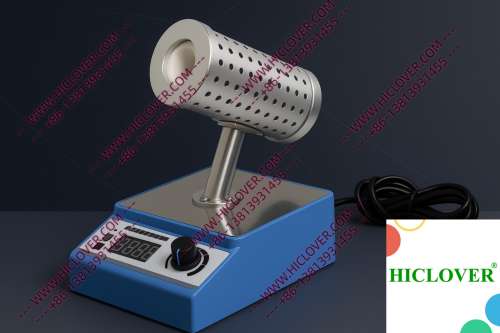
As laboratories around the world continually strive to maintain stringent biosafety standards, Sapporo’s hospitals are at the forefront of innovation with the adoption of advanced sterilization technologies. In particular, the emergence of the Micro Incinerator, or Infrared Inoculating Loop Sterilizer, has addressed the practical challenges surrounding laboratory sterilization workflows. Traditional sterilization methods, such as alcohol lamps and Bunsen burners, while effective, present certain drawbacks including open flames, risk of contamination, and health hazards. Here, we explore how the Micro Incinerator enhances laboratory biosafety and improves sterilization processes.
Understanding the Micro Incinerator: Technical Principles
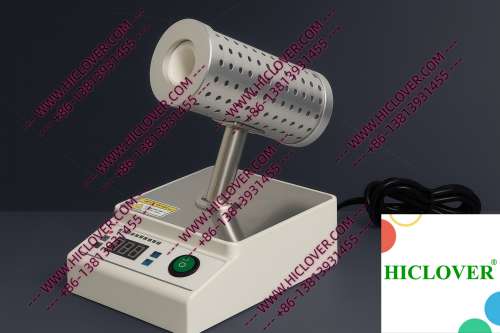
The Micro Incinerator operates on the principle of rapid thermal sterilization utilizing infrared heating technology. This innovative device features an enclosed ceramic heating chamber that generates a highly focused infrared heat source. The enclosed design not only protects the user from direct exposure to high temperatures but also prevents any accidental ignition of surrounding materials. Infrared high-temperature disinfection ensures rapid and effective sterilization of inoculating loops and similar laboratory tools, leading to enhanced contamination control.
Advantages Over Traditional Flame Sterilizers
- Improved Safety: The absence of an open flame eliminates fire hazards and protects laboratory staff.
- Consistency: Cycles of sterilization are faster and achieve consistent results, reducing the risk of microbial survival.
- Clean-Bench-Safe: The design is optimized for use within biosafety cabinets and clean benches without the risk of introducing harmful aerosols.
- Reduced Maintenance: With fewer components prone to wear and tear compared to traditional burners, operational efficiency is increased.
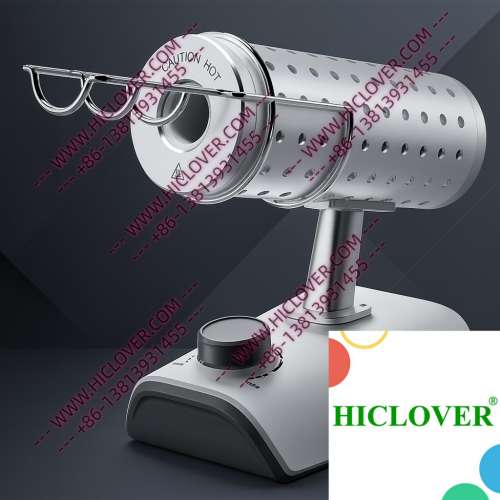
Application Scenarios in Modern Laboratories
The versatility of the Micro Incinerator makes it suitable for various laboratory settings, enhancing workflow efficiency while upholding high biosafety standards. Below are two common application scenarios:
1. Clinical Diagnostics Laboratories
In clinical diagnostics concerning microbiology, particularly within BSL-2 and BSL-3 laboratories, the need for rapid and effective sterilization is paramount. Here, the Micro Incinerator is utilized to sterilize inoculating loops as samples are transferred to culture media.
This process not only minimizes the risk of cross-contamination between patient samples but also enhances the speed of results available to clinicians. As a result, patient diagnosis and subsequent treatment decisions can be made more swiftly, significantly improving patient care.
2. Teaching Laboratories in Universities
In university laboratories, particularly in microbiology and biology courses, awareness of biosafety practices is crucial. The Micro Incinerator offers students hands-on experience with advanced sterilization technology, reinforcing the importance of contamination control in experimental settings.
By demonstrating how to safely use the Micro Incinerator, institutions foster a culture of safety and responsibility among students while ensuring that educational environments remain sterile and conducive to learning.
Compliance and Environmental Considerations
Compliance with international biosafety standards is essential for all laboratory operations. The World Health Organization (WHO) has outlined specific standards for laboratory sterilization practices to prevent the spread of infectious diseases. Utilization of devices such as the Micro Incinerator supports compliance with these stringent guidelines by providing an effective alternative to open-flame devices, which are prohibited in cleanrooms and higher-biosafety laboratories.
The Micro Incinerator’s operation produces no harmful aerosols, thereby contributing to a safer environment for laboratory personnel. Furthermore, its energy-efficient design reduces ecological impact, aligning with global sustainability efforts in laboratory practices.
FAQs about Micro Incinerators
What are the key advantages of using a Micro Incinerator over a Bunsen burner?
The Micro Incinerator offers superior safety, more consistent sterilization, and a compact design that is better suited for clean environments without risking contamination through open flames.
How does the Micro Incinerator ensure rapid thermal sterilization?
It utilizes infrared technology to quickly heat tools within an enclosed ceramic chamber, achieving sterilization in a fraction of the time compared to traditional methods.
Can the Micro Incinerator be used in biosafety cabinets?
Yes, its compact size and clean design make it ideal for use within biosafety cabinets, ensuring both user safety and sterilization effectiveness.
Is the Micro Incinerator compliant with international safety standards?
Absolutely, it meets WHO biosafety guidelines and various laboratory safety regulations necessary for clinical and research applications.
What maintenance is required for the Micro Incinerator?
The Micro Incinerator has minimal maintenance requirements due to its robust design – just regular cleaning of the ceramic tube and ensuring the electrical components are functioning properly.
Conclusion
The integration of the Micro Incinerator in laboratories, especially within the healthcare and education sectors in Sapporo, is a significant step towards enhanced biosafety and efficiency. As laboratories evolve, adopting innovative sterilization solutions is not just a choice but a necessity. If you are interested in upgrading your lab’s sterilization practices or want to learn more about advanced diagnostic loop sterilizers, please reach out. Invest in safety and efficiency today!
Categories:
Tags: