
In today’s fast-paced laboratory environments, especially in Huntington, WV, professionals face numerous biosafety challenges that can threaten the integrity of their work. Proper sterilization is a cornerstone of laboratory safety and efficacy, ensuring that contamination is kept at bay while maintaining a reliable workflow. Among the essential tools for achieving this is the Micro Incinerator / Infrared Inoculating Loop Sterilizer, a cutting-edge piece of laboratory sterilization equipment that offers an alternative to traditional flame sterilizers. This article will explore the importance of effective laboratory sterilization, while focusing on the advantages of infrared heat technology.
The Technical Principles of Infrared Sterilization
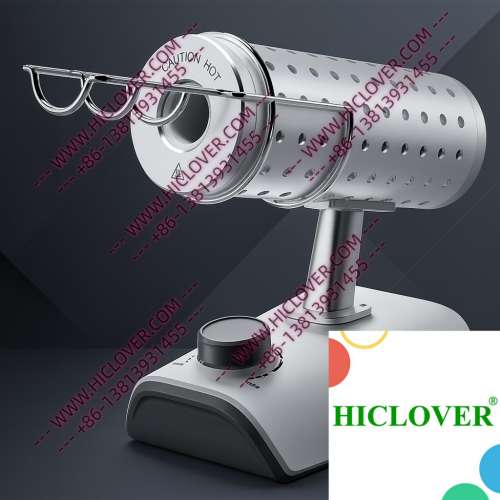
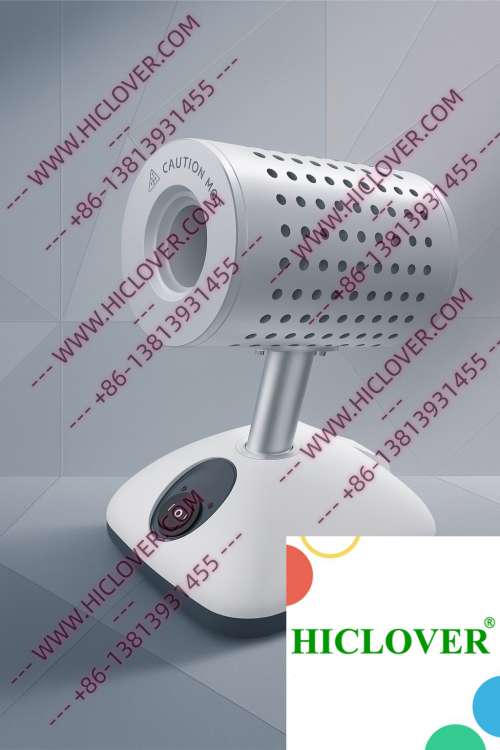
The Micro Incinerator utilizes infrared heat to ensure rapid thermal sterilization of inoculating loops and other laboratory tools. The device features an enclosed ceramic heating chamber that allows for extremely high temperatures, achieving efficient disinfection in seconds. Unlike traditional flame sterilizers, which can produce harmful aerosols and require multiple manipulation steps, the Micro Incinerator provides a clean-bench-safe solution.
This technology operates on principles of rapid thermal transfer, where infrared radiation efficiently heats the tool surfaces to a sterilizing temperature, ensuring complete microbial eradication without the risks associated with open flames. This is crucial not only for sterilization but also for laboratory safety, as infrared sterilization minimizes contamination during the sterilization process.
Application Scenarios in Real Labs
- Biosafety Cabinet Sterilization: In BSL-2 and BSL-3 microbiology labs, maintaining contamination control is of utmost importance. The use of the Micro Incinerator inside a biosafety cabinet allows for quick sterilization of tools without interfering with airflow integrity. This preventative measure significantly minimizes the risk of accidental pathogen exposure while enhancing the efficiency of laboratory workflows.
- Teaching Labs: University environments often require high levels of safety with a diverse range of students. In teaching laboratories, the Micro Incinerator provides an aerosol-free handling option for sterilization during practical training. This not only maintains student safety but also simplifies the process for educators, who can focus more on teaching than on managing safety concerns.
- Rapid Sterilization: Achieves sterilization in seconds, streamlining laboratory workflows.
- High-Temperature Disinfection: Increases efficiency by eliminating the need for multiple sterilization cycles.
- No Flame Operation: Enhances laboratory safety by eliminating risk factors associated with conventional flame sterilizers.
- Aerosol-Free Handling: Reduces contamination risks in sensitive laboratory environments.
- Compact Design: Suitable for various lab settings including portable use in field testing laboratories.
- What is the main advantage of using a Micro Incinerator over traditional flame sterilizers?
The Micro Incinerator provides faster sterilization times, eliminates aerosol risks, and enhances laboratory safety. - Is the Micro Incinerator suitable for all laboratory types?
Yes, it is ideal for various environments including BSL-2/BLS-3 laboratories, clinical diagnostics, and teaching labs. - Can the Micro Incinerator be used for field testing?
Absolutely, its compact design makes it suitable for mobile laboratory units or field testing scenarios. - What are the maintenance requirements for a Micro Incinerator?
Regular inspection of the ceramic heating chamber and periodic cleaning ensures optimal performance. - How does the Micro Incinerator support compliance with laboratory standards?
Its operation aligns with WHO biosafety guidelines and minimizes aerosol production, maintaining a safe working environment.
Compliance and Environmental Standards
Adherence to biosafety standards is not just a regulatory requirement but a commitment to safety in laboratory environments. Organizations like the World Health Organization (WHO) publish stringent guidelines for biosafety in laboratories, emphasizing the need for effective sterilization methods. Compliance with these standards is crucial for research facilities and hospitals in Huntington, WV, to maintain a safe environment for employees and patients alike.
Traditional flame sterilizers pose challenges in regard to compliance as they can produce harmful aerosols which are particularly dangerous in clean rooms or high-containment laboratories. The Micro Incinerator, in contrast, is designed to operate effectively without the risks associated with flames, thus supporting compliance with both biosafety and environmental safety standards.
Features of the Micro Incinerator
Micro Incinerator vs. Traditional Flame Sterilizers
| Feature | Micro Incinerator | Flame Sterilizers |
|---|---|---|
| Sterilization Time | Seconds | Minutes |
| Aerosols Produced | None | High |
| Safety | High | Moderate |
| Temperature Control | Precise | Variable |
| Environmental Compliance | High | Moderate |
Frequently Asked Questions (FAQs)
Conclusion
The challenges of maintaining laboratory safety are ever-present, and the importance of reliable sterilization equipment cannot be overstated. The Micro Incinerator / Infrared Inoculating Loop Sterilizer presents an efficient, safe, and compliant solution for laboratories in Huntington, WV. By choosing this state-of-the-art sterilization equipment, you not only enhance your laboratory’s operational efficiency but also uphold the highest standards of safety and regulatory compliance.
Invest in the safety and efficacy of your laboratory operations today. Reach out to us for more information on how the Micro Incinerator can transform your sterilization processes – ensuring that you’re always a step ahead in laboratory safety.
Categories:
Tags: