
In modern laboratories, ensuring biosafety and controlling contamination are of utmost importance. With the increasing complexity of scientific research and clinical diagnostics, laboratories face ever-growing challenges in maintaining aseptic conditions. One critical area that requires attention is sterilization workflow demands, particularly in BSL-2 and BSL-3 microbiology labs. In this context, high-precision sterilizers, like the Micro Incinerator or Infrared Inoculating Loop Sterilizer, play a pivotal role in safeguarding laboratory integrity and functionality.
Understanding the Technical Principles of Infrared Heating
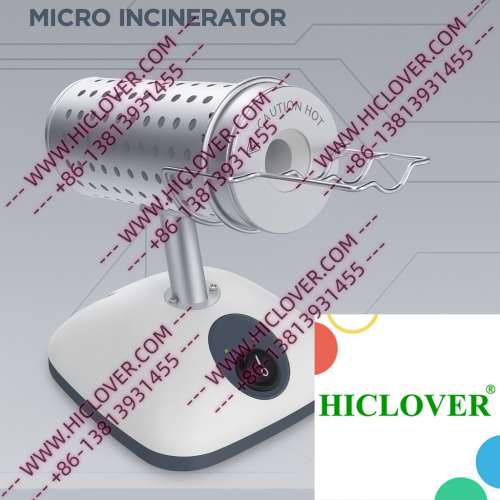
The Micro Incinerator utilizes advanced infrared heat technology to achieve rapid thermal sterilization. This innovative device features an enclosed ceramic heating chamber that generates concentrated infrared radiation, enabling effective sterilization of inoculating loops and other laboratory instruments. Unlike traditional flame sterilizers, such as alcohol lamps or Bunsen burners, which can produce open flames and may inadvertently introduce contaminants, infrared sterilizers provide a clean, rapid, and controlled environment for disinfection. This technology allows for an efficient turnaround time, crucial in bustling laboratory settings where every second counts.
Design Features of the Micro Incinerator
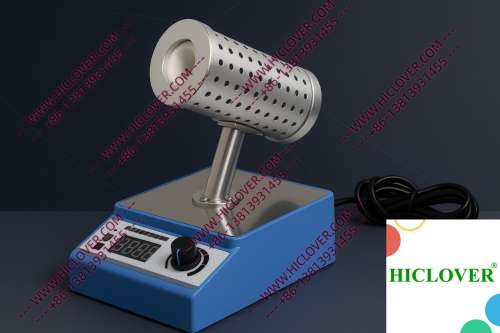
- Rapid Heating: Achieves sterilization temperatures within seconds.
- Compact Structure: Designed for easy integration into smaller workflows and confined spaces.
- Energy Efficient: Consumes less power compared to traditional flame sterilizers.
- Easy Operation: Simple on/off switch, with minimal maintenance required.
Application Scenarios in Real Labs
Biosafety Cabinets
In many microbiological laboratories, biosafety cabinets serve as the primary working environment for handling pathogenic organisms. The Micro Incinerator complements these settings by providing a means to sterilize tools without introducing the risks associated with open flames. When working within the controlled airflow of a biosafety cabinet, researchers can safely utilize the Micro Incinerator to ensure that all inoculating tools are effectively sterilized before and after use. This minimizes the risk of contaminating cultures and enhances the reliability of experimental results.
Field Testing Laboratories
In field testing laboratories, researchers often face challenges in maintaining a sterile environment away from conventional lab settings. The portability and rapid sterilization capabilities of the Micro Incinerator make it an excellent choice for mobile labs. Whether used in community health campaigns or environmental testing, this sterilizer allows workers to adhere to strict sterilization protocols without the need for cumbersome flame sources, thus maintaining a clean and safe testing environment.
Biosafety Compliance and Environmental Standards
Compliance with biosafety standards is critical for laboratories conducting research and clinical diagnostics. The World Health Organization (WHO) provides guidelines for maintaining biosafety levels in laboratory settings, emphasizing the need for effective sterilization practices. Traditional flame sterilizers often do not comply with clean room protocols, which prohibit the use of open flames due to the potential for contamination.
In contrast, the Micro Incinerator meets stringent safety requirements and lab sterilization standards, making it suitable for environments where contamination control is paramount. The absence of flames significantly reduces aerosol generation during sterilization, aligning the device with clean room protocols and contributing to safer laboratory practices.
Comparison of Micro Incinerator vs. Traditional Flame Sterilizers
| Feature | Micro Incinerator | Flame Sterilizers |
|---|---|---|
| Heating Source | Infrared | Open Flame |
| Safety | Low Risk of Contamination | High Risk of Contamination |
| Energy Efficiency | High | Moderate to High |
| Speed of Sterilization | Seconds | Variable |
| Portability | Yes | No |
FAQs about the Micro Incinerator
What is a Micro Incinerator used for in laboratories?
The Micro Incinerator is primarily used for sterilizing inoculating loops and other small tools quickly and efficiently, reducing the risk of contamination in microbial cultures.
How does infrared sterilization compare to traditional methods?
Infrared sterilization is faster, reduces contamination risk, and is more energy-efficient compared to traditional flame sterilizers, which can compromise aseptic conditions.
Can a Micro Incinerator be used in cleanroom environments?
Yes, the Micro Incinerator is compliant with cleanroom protocols as it does not produce open flames or aerosols, making it suitable for such sensitive environments.
What maintenance is required for a Micro Incinerator?
The Micro Incinerator requires minimal maintenance; regular cleaning and checking the ceramic tube for wear are essential to ensure optimal performance.
Is the Micro Incinerator portable?
Yes, the design of the Micro Incinerator is compact and lightweight, making it easy to transport and use in various laboratory settings, including field tests.
Conclusion
In an era where laboratory safety and microbial control are critical determinants of research success, the Micro Incinerator/Infrared Inoculating Loop Sterilizer emerges as an invaluable asset for laboratories. Its innovative design combines energy efficiency with rapid sterilization, making it ideal for diverse applications. Whether in university teaching labs, clinical diagnostics, or in-field testing, the advantages of a high-precision sterilizer like the Micro Incinerator are undeniable.
Considering upgrading your laboratory sterilization protocols? Contact us today to learn more about how the Micro Incinerator can enhance your workflow and ensure compliance with the highest biosafety standards.
Categories:
Tags: