
In the bustling healthcare landscape of Bangkok, laboratories face increasing pressures to maintain stringent biosafety standards. The challenge of sterilizing instruments effectively and safely is paramount, especially in high-contamination environments. With evolving microbiological threats, laboratories are turning to advanced sterilization methods that outpace traditional techniques. Among these, the Micro Incinerator, or Infrared Inoculating Loop Sterilizer, stands out for its superior performance and safety features.
The Science Behind Infrared Sterilization
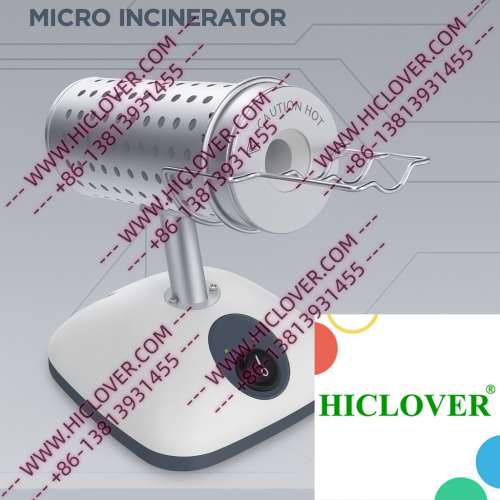
Infrared sterilization uses rapid thermal sterilization principles that are efficient and reliable. This technique primarily relies on an enclosed ceramic heating chamber, where an embedded infrared heating element generates intense heat. When an inoculating loop or other implements are introduced into this environment, the infrared heat ensures they reach sterilization temperatures in record time.
The Micro Incinerator operates by utilizing a precise temperature control mechanism that can rapidly achieve between 800°C to 1000°C. This high-temperature disinfection effectively destroys a wide range of pathogens, ensuring laboratory tools are sterile without the risks associated with flame-based sterilization methods.
Applications in Real Laboratories
Scenario 1: Biosafety Cabinets in BSL-2 / BSL-3 Labs
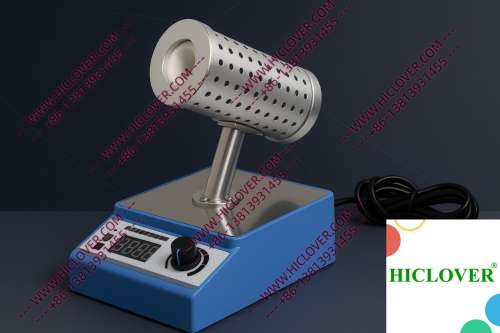
In BSL-2 and BSL-3 laboratories, where handling pathogenic microorganisms is common, the Micro Incinerator has become a vital tool. In a laboratory setting, biosafety cabinets are equipped with HEPA filtration systems and are designed to protect users from exposure to biological hazards. Use of the Micro Incinerator in these environments means that researchers can swiftly sterilize their inoculating loops while maintaining the integrity of clean airflow, preventing contamination both of samples and the workspace.
Scenario 2: University Teaching Labs
University teaching laboratories are continuously striving to educate the next generation of scientists in a safe and sterile environment. The Micro Incinerator serves as an ideal solution, allowing students to practice sterilization in real-time without the added hazards associated with alcohol lamps or Bunsen burners. This provides a clean-bench-safe experience, allowing hands-on learning while ensuring the highest standards of laboratory safety and hygiene.
Compliance and Environmental Considerations
Compliance with global biosafety standards is critical in laboratory settings. The World Health Organization (WHO) emphasizes strict laboratory sterilization standards to minimize risks of contamination and exposure to infectious agents. Infrared sterilizers like the Micro Incinerator are engineered to meet these standards, making them suitable options for use in clean rooms where open flames are prohibited.
Additionally, using the Micro Incinerator contributes to sustainability. The elimination of flame reduces the release of potentially harmful aerosols into the laboratory environment, leading to safer handling of instruments and less overall waste.
Advantages Over Traditional Flame Sterilizers
- Speed: Micro Incinerators provide rapid sterilization times compared to traditional flame methods.
- Safety: Elimination of open flames reduces risks of burns and combustion-related hazards.
- Precise Temperature Control: They can maintain consistent temperatures for effective sterilization.
- Reduced Contamination Risk: No aerosols are produced with infrared operations, ensuring a cleaner workspace.
Micro Incinerator vs. Flame Burners: A Comparison Table
| Features | Micro Incinerator | Traditional Flame Sterilizers |
|---|---|---|
| Temperature Control | High precision | Variable |
| Speed of Sterilization | Rapid | Slower |
| Risk of Burns | Minimal | High |
| Aerosol Production | Zero | Present |
FAQs About Micro Incinerators
What is a Micro Incinerator and how does it work?
A Micro Incinerator is a type of infrared sterility device that uses high-temperature infrared heat to quickly and effectively sterilize laboratory tools like inoculating loops.
In what types of laboratories can a Micro Incinerator be used?
The Micro Incinerator is suitable for various laboratory environments, including BSL-2 and BSL-3 microbiology labs, educational institutions, and clinical diagnostics settings.
Why is a Micro Incinerator preferable to traditional flame-based sterilizers?
Micro Incinerators offer rapid sterilization, improved safety with no open flames, and produce no harmful aerosols, thereby maintaining cleaner lab environments.
How does the Micro Incinerator comply with global standards?
This device meets WHO and other laboratory sterilization standards, making it suitable for use in sterile environments like clean rooms.
Can the Micro Incinerator be used in mobile lab settings?
Yes, its compact design and efficient operation make the Micro Incinerator an excellent choice for mobile or field-testing labs.
Conclusion
The advancement of laboratory sterilization technology cannot be overstated in today’s biosafety-driven landscape. The Micro Incinerator / Infrared Inoculating Loop Sterilizer brings unmatched efficiency and safety to laboratory environments across Bangkok and beyond. By choosing this state-of-the-art equipment, laboratories can significantly enhance their sterilization workflows and comply with essential biosafety standards.
If you’re ready to upgrade your laboratory’s sterilization capabilities, contact us today to learn more about our Micro Incinerator solutions.
Categories:
Tags: