
Laboratories face significant biosafety challenges in ensuring contamination control and maintaining sterile environments. Traditional sterilization methods often fall short in efficiency, safety, and adaptability, prompting the need for advanced solutions like the Micro Incinerator / Infrared Inoculating Loop Sterilizer. This innovative technology is designed to meet the rigorous demands of sterilization workflows in clinical, educational, and research settings.
Biological Safety Challenges in Laboratories
Laboratories, especially those operating under BSL-2 and BSL-3 standards, are tasked with handling pathogenic microorganisms. The need for effective sterilization methods is paramount to prevent contamination and ensure worker safety. The use of open flames, such as Bunsen burners and alcohol lamps, introduces risks, including the potential for fires and the release of aerosols. This makes more sophisticated sterilization technologies not only desirable but necessary.
Technical Principles of the Micro Incinerator
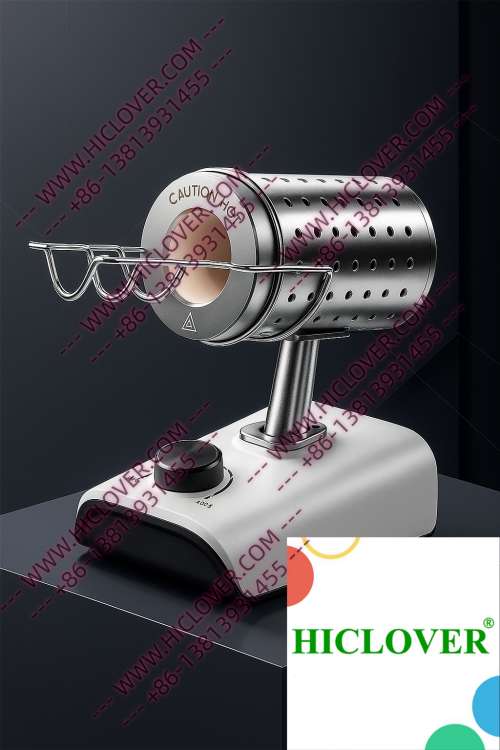
The Micro Incinerator utilizes advanced infrared heat technology to achieve rapid thermal sterilization. Unlike traditional flame sterilizers, it features an enclosed ceramic heating chamber that reaches high temperatures quickly, allowing for effective disinfection without the risks associated with open flames. When the loop is inserted, the infrared rays generate concentrated heat, incinerating any biological material present.
Product Configuration
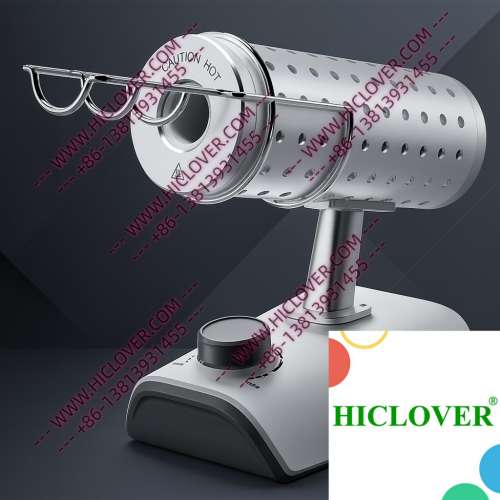
- Heating Element: Advanced ceramic tube ensuring even heat distribution.
- Temperature Range: Capable of reaching and maintaining temperatures up to 850°C.
- Power Supply: Designed for efficient energy use with minimal heat loss.
- Portability: Light-weight and compact design for ease of use in various environments.
- Safety Features: Built-in thermal cut-off to prevent overheating.
Application Scenarios in Real Labs
1. Biosafety Cabinets
In biosafety cabinets, where maintaining a sterile environment is critical, the Micro Incinerator can enhance the safety protocol. Researchers can sterilize inoculating loops and tools without compromising the integrity of the airflow and environment within the cabinet. This ensures that there is no introduction of flame-induced contaminants, crucial for high-precision applications.
2. University Teaching Labs
In educational settings, the Micro Incinerator serves as an effective teaching tool, allowing students to observe safe sterilization processes. It replaces traditional flame methods, facilitating hands-on experience with a focus on safety and efficiency. Furthermore, the reduced risk of accidents encourages more effective learning.
Compliance and Environmental Considerations
The necessity for compliance with WHO biosafety regulations and lab sterilization standards cannot be overstated. The Micro Incinerator meets these stringent standards by providing a flame-free sterilization option, ideal for clean rooms and other sensitive laboratory environments. Compliance with relevant guidelines ensures that laboratories do not jeopardize their operational integrity or personnel safety.
Why No Flame in Clean Rooms?
Utilizing open flames in cleanrooms jeopardizes environmental controls, leading to contamination risks. The Micro Incinerator promotes sterile handling without aerosol generation, aligning perfectly with the needs of sterile processing environments.
Advantages Over Traditional Flame Sterilizers
| Feature | Micro Incinerator | Flame Burners |
|---|---|---|
| Safety | Enclosed, no open flame | Open flame, higher risk |
| Temperature Control | Consistent, adjustable | Less precise |
| Contamination Control | Minimized aerosols | Increased risk of contamination |
| Energy Efficiency | Low power consumption | Higher energy consumption |
| Portability | Compact and light | Bulky, can be unstable |
Frequently Asked Questions
- What is the maximum temperature the Micro Incinerator can reach?
The Micro Incinerator can achieve temperatures up to 850°C, ensuring effective sterilization. - How does infrared sterilization compare to traditional methods?
Unlike traditional flame methods, infrared sterilization offers improved safety, consistency, and reduced contamination risk. - Can the Micro Incinerator be used in field testing labs?
Yes, its portable design makes it ideal for use in mobile or field settings, promoting safe practices wherever needed. - What safety features are incorporated into the Micro Incinerator?
The unit includes a thermal cut-off feature to prevent overheating and ensure user safety. - How does the Micro Incinerator comply with biosafety standards?
It minimizes contamination risks and adheres to the guidelines set forth by WHO and other regulatory bodies by eliminating open flames in sensitive environments.
Conclusion
In an era where laboratory safety cannot be compromised, the Micro Incinerator stands out as a leading solution for sterilization needs. Its advantages over traditional flame sterilizers, coupled with its compliance with biosafety standards, make it a necessary investment for informed laboratory managers and buyers. For inquiries or to explore purchasing options, we encourage you to reach out today and prioritize safety in your laboratory workflows.
Categories:
Tags: