
In the bustling medical environment of Qingdao, ensuring stringent safety and health standards is non-negotiable. Laboratory biosafety challenges, particularly those revolving around contamination control, mandate robust solutions. The advent of advanced sterilization equipment, notably the Micro Incinerator and Infrared Inoculating Loop Sterilizer, offers critical advantages in laboratory workflows. With rising demands for effective sterilization techniques, understanding the fundamentals of these systems can lead to improved laboratory practices and enhanced safety protocols.
Laboratory Sterilization Needs and Challenges
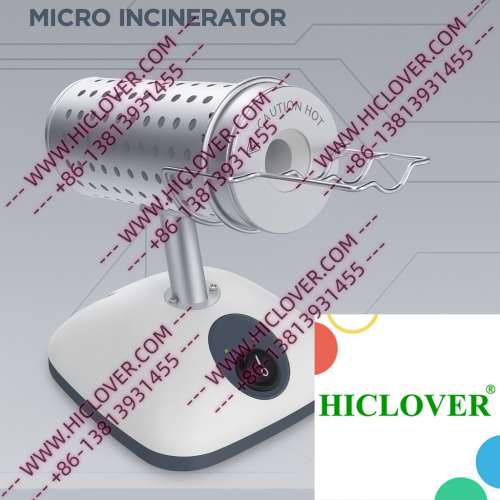
Laboratories in healthcare settings face myriad challenges in maintaining sterility, especially when working with potentially hazardous biological materials. The demand for rapid thermal sterilization has grown as the need for efficient workflows increases. Traditional methods, such as the use of alcohol lamps and Bunsen burners, often introduce risks, including open flames and aerosolized contaminants.
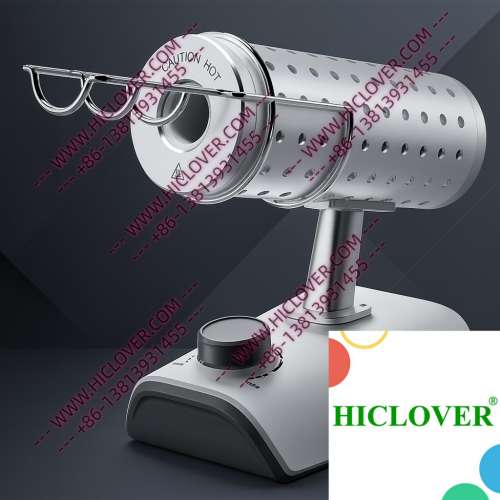
The Micro Incinerator stands out due to its ability to provide high-temperature disinfection without these hazards. By utilizing infrared heat technology, it delivers concentrated thermal energy that effectively sterilizes inoculating loops and other small lab tools in seconds. The enclosed ceramic heating chamber ensures that the heat is contained, minimizing the risk of cross-contamination within clean bench environments.
Technical Principles of Advanced Sterilizers
The Micro Incinerator operates on an innovative principle of infrared thermal disinfection. Infrared heat accelerates the temperatures rapidly, achieving a consistent level of heat needed for effective sterilization. The enclosed ceramic tube design concentrates heat effectively, allowing for direct contact sterilization without disturbing the surrounding environment. This technology eliminates the need for chemical disinfectants that can leave residual contaminants. Together, these features promote a clean, safe workspace compatible with contemporary clean-room standards.
Application Scenarios in Real Labs
Application of the Micro Incinerator can be seen in various laboratory settings:
- Biosafety Cabinets: Utilizing the Micro Incinerator within a BSL-2 laboratory ensures that all inoculating tools are sterilized right at the point of use. This minimizes the risk of contamination from transporting items to a separate sterilization area.
- Field Testing Labs: In mobile or field laboratories, the infrared inoculating loop sterilizer offers portability and efficiency. Its compact design allows for rapid sterilization in varied environments, crucial during field diagnostics.
- University Teaching Labs: In educational settings, the Micro Incinerator provides a safe way for students to conduct experiments without the risks associated with flames. Ease of use enhances learning outcomes while adhering to strict safety protocols.
Compliance and Environmental Considerations
In addition to practical advantages, adhering to biosafety compliance is essential for laboratory operations. According to WHO biosafety guidelines, laboratories must employ sterilization techniques that minimize risks. The use of open flames is especially discouraged in clean rooms due to the potential for uncontrolled variables and safety hazards.
The introduction of non-flame sterilizers like the Micro Incinerator aligns with international lab sterilization standards. These systems significantly reduce the clutter and potential contaminants often associated with traditional flame sterilizers. Laboratories must prioritize equipment that adheres to such standards to enhance operational efficiency and safety.
Micro Incinerator vs. Traditional Flame Sterilizers
| Feature | Micro Incinerator | Flame Sterilizer |
|---|---|---|
| Heat Source | Infrared | Open Flame |
| Risk of Contamination | Minimized | Greater risk due to aerosol production |
| Response Time | Immediate | Variable |
| Portability | Highly Portable | Less Portable |
| Compliance with Clean Room Standards | Yes | No |
Frequently Asked Questions
- What is a Micro Incinerator?
The Micro Incinerator is an advanced sterilization device that uses infrared heat to rapidly sterilize laboratory tools without the risks associated with traditional flame methods. - How does infrared sterilization compare to traditional methods?
Infrared sterilization is faster, more precise, and minimizes contamination risks, making it ideal for sensitive environments like clean rooms or biosafety cabinets. - Can the Micro Incinerator be used in teaching labs?
Yes, it is highly suited for educational institutions, providing a safe method for students to learn a variety of laboratory techniques without the dangers of open flames. - What are the operational benefits of using a Micro Incinerator?
The operational benefits include improved workflow efficiency, quicker sterilization times, enhanced safety for users, and higher compliance with laboratory safety protocols. - Is the Micro Incinerator portable?
Yes, its compact design allows it to be easily transported and used in various laboratory settings, including field testing environments.
Conclusion
As laboratories in Qingdao continue to prioritize safety and compliance, the integration of advanced sterilization tools such as the Micro Incinerator becomes essential. The transition from traditional flame sterilizers to infrared technologies not only optimizes the sterilization workflow but also enhances laboratory safety and efficiency. If your clinical lab or educational institution requires an upgrade in sterilization practices, consider adopting the Micro Incinerator. For inquiries or to place an order, please reach out to our team for more information.
Categories:
Tags: