
Laboratories across the globe face significant biosafety challenges, particularly in microbiology labs that conduct intricate procedures involving bacterial cultures and other pathogens. Ensuring contamination control during inoculating needle preparation is crucial to maintaining the integrity of experiments and safeguarding lab personnel. Traditional methods, such as using alcohol lamps and Bunsen burners for sterilization, pose potential hazards and inefficiencies in sterile environments. An ideal solution that has garnered attention is the Micro Incinerator, also known as the Infrared Inoculating Loop Sterilizer.
Understanding the Technical Principles of Infrared Heat Sterilization
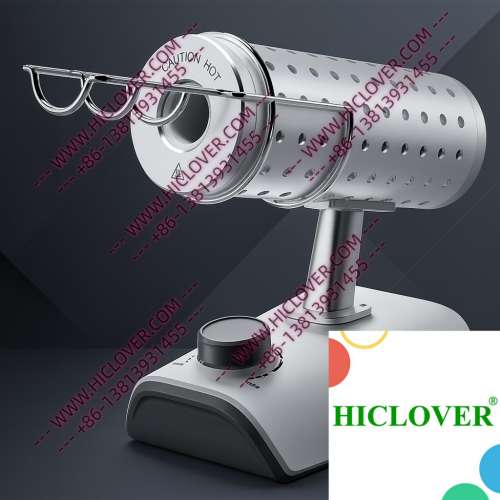
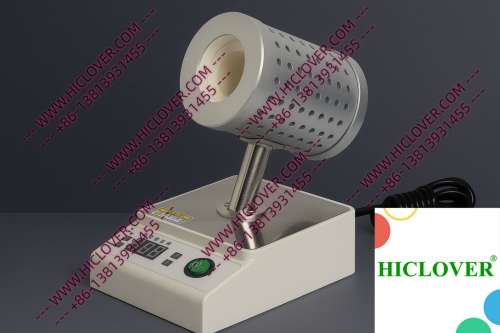
The Infrared Inoculating Loop Sterilizer employs rapid thermal sterilization through infrared heat, enabling an efficient and effective method of decontaminating inoculating loops and needles. Unlike traditional flame methods, the Micro Incinerator features a ceramic heating chamber that achieves an optimal temperature for sterilization in mere seconds. This design minimizes the risk of fire hazards and eliminates the production of aerosols, making it exceptionally safe for use in clean environments such as BSL-2 and BSL-3 labs.
Key Features of Micro Incinerators
- Quick Sterilization: Achieves high temperatures within seconds, reducing idle time.
- Non-Flame Operation: Combines safety and efficiency without the risk of ignition.
- Compact and Portable: Ideal for both stationary lab settings and mobile field testing labs.
- User-Friendly Design: Simple operation with intuitive controls for easy usage.
- Environmentally Friendly: No use of chemicals and minimal energy consumption.
Applications in Laboratory Settings
The flexibility of the Micro Incinerator allows for various applications across diverse laboratory settings. Here are two notable scenarios:
1. Biosafety Cabinets
In microbiological research labs operating under BSL-2 or BSL-3 conditions, maintaining sterile working environments is vital. Micro Incinerators can be installed within biosafety cabinets where the risk of aerosol transmission is a concern. With its rapid sterilization capability, it provides an effective means to ensure that inoculating loops and needles are free from contamination before being used on samples, thereby preventing cross-contamination and enhancing the validity of research findings.
2. Teaching Laboratories
University teaching labs often involve hands-on experiments for microbiology students. Utilizing flame-based sterilizers can create dangerous situations, especially for beginners. The Micro Incinerator, with its enclosed design and no open flame, offers a safe alternative for students learning sterile techniques. Moreover, this product allows instructors to focus on teaching critical aseptic techniques without the constant worry of open flames.
Compliance with Biosafety Standards
Adhering to biosafety standards is paramount in laboratory environments. The World Health Organization (WHO) outlines essential biosafety guidelines that emphasize stringent sterilization processes to prevent contamination. In clean room areas where the use of flames could jeopardize the sterility, non-flame-based sterilizers like the Micro Incinerator are essential tools.
Additionally, laboratory sterilization standards, such as ISO 13485 for medical devices, mandate safe and effective sterilization practices. The Micro Incinerator, by eliminating flame-related hazards, stays compliant with these important regulations, ensuring safety and sterility within laboratory workflows.
Comparison of Micro Incinerators vs. Traditional Flame Sterilizers
| Feature | Micro Incinerator | Flame Sterilizers (Alcohol Lamps/Bunsen Burners) |
|---|---|---|
| Temperature Control | Rapid, accurate, and adjustable | Varied, dependent on flame size |
| Risk of Fire | No flame, lower risk | Open flame, high risk |
| Contamination | Aerosol-free handling | Risk of aerosol production |
| Usability | Easy to operate with minimal training | Requires careful monitoring for safety |
Frequently Asked Questions (FAQs)
What is the primary advantage of using a Micro Incinerator over traditional flame sterilizers?
The primary advantage is the rapid sterilization without the risks associated with open flames, such as fire hazards and aerosol production.
How quickly does the Micro Incinerator achieve sterilization?
The Micro Incinerator reaches optimal sterilization temperatures within seconds, making it a significant time-saver in laboratory procedures.
Are Micro Incinerators suitable for use in teaching labs?
Yes, they are an excellent choice for teaching labs as they provide a safe environment for students to learn sterilization techniques without the danger of open flames.
Can the Micro Incinerator be used in field testing laboratories?
Absolutely! Its compact design and portability make it ideal for field testing labs that require effective sterilization on the go.
How does the Micro Incinerator help in maintaining compliance with biosafety regulations?
By eliminating open flames and ensuring rapid, effective sterilization, the Micro Incinerator aligns with WHO biosafety guidelines and laboratory sterilization standards.
Conclusion
In conclusion, the Micro Incinerator / Infrared Inoculating Loop Sterilizer presents an innovative solution for addressing the challenges of laboratory sterilization, particularly in ensuring the safety and efficiency of inoculating needle preparation. Its design and technical principles align with the rigorous standards of modern biolab protocols while maintaining ease of use for a variety of settings, including teaching laboratories and field tests.
For laboratories looking to enhance their sterilization workflow while ensuring safety and compliance, the Micro Incinerator is an invaluable investment. Contact us today to learn more about integrating this technology into your lab setup and take the next step toward optimized laboratory practices!
Categories:
Tags: