
In today’s healthcare landscape, particularly in Chattanooga, laboratories face significant biosafety challenges. As the demand for high-level cleanliness and contamination control increases, laboratories are turning to advanced sterilization methods to ensure the safety of both staff and specimens. One of the most effective tools for achieving this is the Micro Incinerator, also known as an Infrared Inoculating Loop Sterilizer. This sophisticated laboratory sterilization equipment offers significant advantages over traditional methods, making it an essential component of any modern laboratory environment.
Understanding the Micro Incinerator: Principles and Configurations
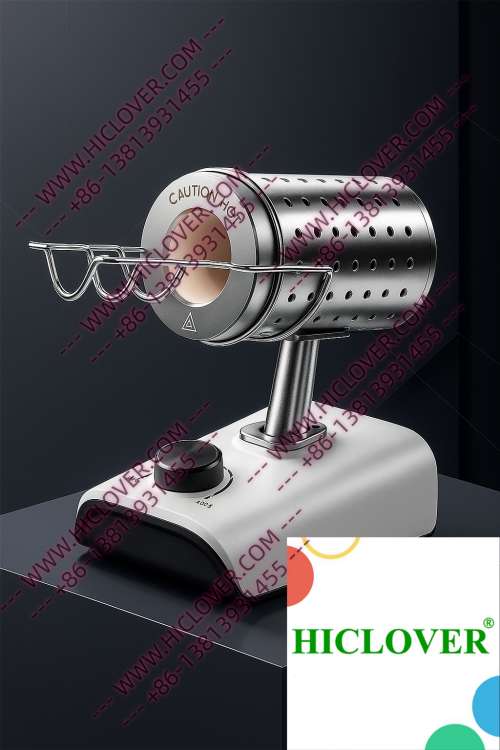
The Micro Incinerator utilizes rapid thermal sterilization to achieve effective disinfection of inoculating loops and other microbiology tools. Unlike traditional flame sterilizers, such as alcohol lamps and Bunsen burners, which can produce harmful aerosols and create a fire hazard, the Micro Incinerator operates using infrared heat. This technology involves an enclosed ceramic tube that generates high temperatures, allowing for efficient and consistent sterilization without the risks associated with open flames.
- Infrared High-Temperature Disinfection: The device emits infrared radiation that heats the interior of the ceramic tube, effectively sterilizing instruments in seconds.
- Aerosol-Free Handling: By eliminating open flames, the Micro Incinerator reduces the risk of aerosol contamination, a crucial factor for laboratories working with pathogenic organisms.
- Clean-Bench-Safe: The compact design allows for safe use within biosafety cabinets, ensuring that sterilization processes do not compromise a sterile environment.
Application Scenarios for the Micro Incinerator
The diverse functionality of the Micro Incinerator makes it suitable for various laboratory environments. Here are two key application scenarios:
1. Biosafety Cabinets in BSL-2 and BSL-3 Laboratories
In high-containment labs focused on microbiological research, such as BSL-2 and BSL-3 facilities, maintaining a sterile environment is paramount. The Micro Incinerator is an ideal choice for these settings, where it can effectively sterilize inoculating loops quickly and safely without introducing contamination. The rapid sterilization capability means that researchers can maintain a sterile workflow while minimizing downtime, ultimately improving productivity.
2. Teaching Laboratories in Universities
Universities employing microbiology courses also find the Micro Incinerator invaluable. Whether in undergraduate labs or advanced research training settings, it provides an efficient, safe method to teach students the importance of sterilization and contamination control. Its straightforward operation allows students to focus on learning without worrying about the dangers associated with flame sterilizers. Additionally, the ability to sterilize tools in mere seconds instills confidence in best practices as they navigate the complexities of microbial research.
Compliance and Environmental Considerations
Adhering to industry standards for laboratory sterilization is essential for ensuring worker safety and achieving reliable results. The World Health Organization (WHO) emphasizes the importance of biosafety protocols, particularly in healthcare laboratories. The Micro Incinerator is designed to meet these stringent standards while providing a clean and safe working environment. Unlike open flames, which are hazardous in clean rooms, the infrared sterilizer minimizes fire risks and enhances user safety. Its use is aligned with the latest lab sterilization standards, making it compliant with global biosafety guidelines.
Why Choose Micro Incinerators Over Traditional Flame Sterilizers?
When comparing the Micro Incinerator to traditional flame sterilizers, the differences in functionality and safety become evident:
| Feature | Micro Incinerator | Flame Sterilizers |
|---|---|---|
| Heating Mechanism | Infrared heat in an enclosed chamber | Open flame (alcohol or gas) |
| Aerosol Production | No aerosols produced | Aerosol and smoke generated |
| Operating Time | Seconds for complete sterilization | Variable; often longer |
| Safety Risk | Minimal to none | Higher risk of fire and injury |
Frequently Asked Questions
What is a Micro Incinerator?
A Micro Incinerator is a laboratory device that uses infrared heat to sterilize inoculating loops and other tools, providing a rapid and safe method of disinfection without open flames.
How does a Micro Incinerator ensure biosafety?
By employing infrared heat in a contained environment, the Micro Incinerator minimizes aerosol contamination and fire risks, making it suitable for use in biosafety laboratories.
Is the Micro Incinerator compliant with lab safety standards?
Yes, it adheres to WHO biosafety guidelines and meets various laboratory sterilization standards, ensuring safe operation in compliant environments.
Can I use a Micro Incinerator in a biosafety cabinet?
Absolutely! The compact design and operational safety of the Micro Incinerator make it ideal for use within biosafety cabinets, enhancing workflow efficiency while ensuring contamination control.
How does the Micro Incinerator compare to traditional flame sterilizers?
The Micro Incinerator offers several advantages over traditional flame sterilizers, including faster sterilization times, reduced safety risks, and minimal aerosol production, making it a preferred choice for modern laboratories.
Conclusion: Elevate Laboratory Safety Today
As the demand for effective sterilization continues to grow, investing in a Micro Incinerator / Infrared Inoculating Loop Sterilizer is an essential step toward enhancing laboratory safety and efficiency. Whether you are managing a healthcare lab in Chattanooga or an educational institution, this innovative equipment offers peace of mind with its rapid thermal sterilization capabilities and compliance with biosafety standards.
Contact us today to learn more about how the Micro Incinerator can transform your laboratory practices and ensure a safer working environment for all.
Categories:
Tags: