In today’s fast-paced healthcare landscape, laboratories face increasing biosafety challenges as they strive to maintain hygiene and prevent contamination. Whether in university teaching labs, BSL-2 or BSL-3 microbiology facilities, or clinical diagnostics centers in Colorado Springs, the need for reliable and effective sterilization solutions has never been more critical. One innovative technology that addresses these challenges is the Micro Incinerator / Infrared Inoculating Loop Sterilizer, designed to enhance safety and efficiency in sterilization workflows.
The Principles of Infrared Sterilization
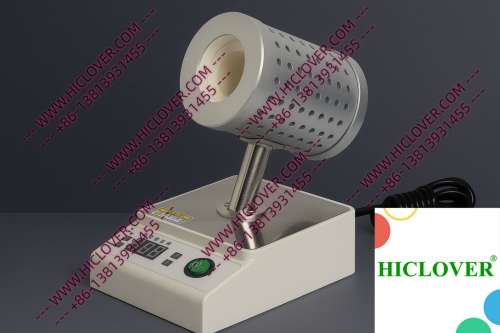
At the core of the Micro Incinerator’s effectiveness lies the principle of rapid thermal sterilization through infrared heating. Utilizing an enclosed ceramic heating chamber, this sterilizer generates high temperatures within seconds, enabling quick disinfection without the use of an open flame. Unlike traditional flame sterilizers—such as alcohol lamps or Bunsen burners—this design minimizes risk by preventing exposed flames in clean rooms and limiting aerosol generation.
Key Features of the Micro Incinerator
- Rapid Sterilization: Achieves sterile conditions quickly, enhancing laboratory workflow.
- Compact and Portable: Ideal for use in various laboratory settings, including field testing scenarios.
- Aerosol-Free Operation: Improves safety by reducing the risk of airborne contamination.
- Energy Efficient: Consumes less energy than traditional flame sterilizers.
- Easy to Use: Simplifies sterilization processes with a clear operational interface.
- Eliminates the risk of flame-related accidents in clean environments, ensuring a safer workspace.
- Complies with sterilization standards that require an efficient and effective method for decontaminating laboratory tools.
- Aids in maintaining a clean bench and safe handling of living cultures and pathogens.
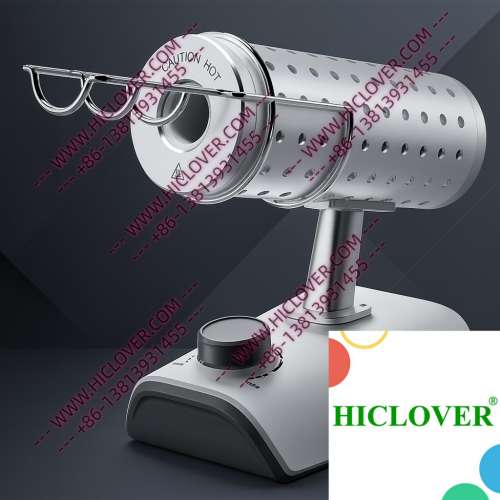
Real-World Applications of Micro Incinerators
The versatility of the Micro Incinerator allows it to excel in diverse laboratory environments. Here are two typical scenarios showcasing its application:
1. University Teaching Labs
In teaching laboratories, where students learn microbiological techniques, sterile conditions are paramount to preventing contamination. The Micro Incinerator provides a reliable option for sterilizing inoculating loops, minimizing student exposure to flames associated with traditional methods. This not only enhances safety but also fosters an efficient learning environment, allowing students to focus on mastering essential skills without the worry of accidental fires or burns.
2. BSL-2 Microbiology Labs
In BSL-2 laboratories, researchers work with pathogens that pose moderate risks to personnel and the environment. The Micro Incinerator is particularly effective in these settings, where strict biosafety protocols are essential. By replacing open flames, it ensures compliance with biosafety norms while providing a rapid-turnaround sterilization solution. This is especially important when conducting field tests or in mobile labs, where consistent sterilization practices can determine the reliability of outcomes and data integrity.
Compliance with Biosafety Standards
Adhering to biosafety regulations, such as those set forth by the World Health Organization (WHO) and the Centers for Disease Control and Prevention (CDC), is crucial for any laboratory. Traditional flame sterilizers can present risks that violate safety standards in cleanroom environments. Utilizing the Micro Incinerator supports compliance with these regulations by minimizing risks of fire and contamination associated with bottled gases and alcohol flames. Furthermore:
Comparison: Micro Incinerator vs. Traditional Flame Sterilizers
| Feature | Micro Incinerator | Traditional Flame Sterilizer |
|---|---|---|
| Heating Method | Infrared | Open Flame |
| Ignition Time | Instant | Requires Fuel |
| Aerosol Generation | None | Inherent Risk |
| Energy Efficiency | High | Low |
| Sculpted Design | Compact | Bulky |
FAQs About Micro Incinerator / Infrared Inoculating Loop Sterilizers
Q1: How does the Micro Incinerator differ from a traditional flame sterilizer in terms of safety?
A1: The Micro Incinerator uses infrared technology which eliminates the risk of flames, making it safer for use in clean environments.
Q2: Can the Micro Incinerator be used in field testing laboratories?
A2: Yes, its portability and rapid sterilization capabilities make it ideal for field applications.
Q3: What types of labs are best suited for Micro Incinerator usage?
A3: It is particularly beneficial in BSL-2/BSL-3 labs, teaching environments, and clinical settings.
Q4: Does the Micro Incinerator comply with WHO biosafety standards?
A4: Yes, it aligns with international biosafety protocols by eliminating risks associated with open flames.
Q5: Is this sterilization method environmentally friendly?
A5: The Micro Incinerator is designed to be energy efficient, which contributes to lower environmental impact compared to traditional methods.
Conclusion
As laboratories in Colorado Springs and beyond continue to face evolving biosafety challenges, investing in advanced sterilization technology like the Micro Incinerator / Infrared Inoculating Loop Sterilizer is paramount. By transitioning from traditional flame-based systems to infrared solutions, laboratories can enhance safety, improve workflows, and ensure compliance with biosafety regulations. To explore further or to make a purchase, we encourage you to reach out to our expert team today!
Categories: