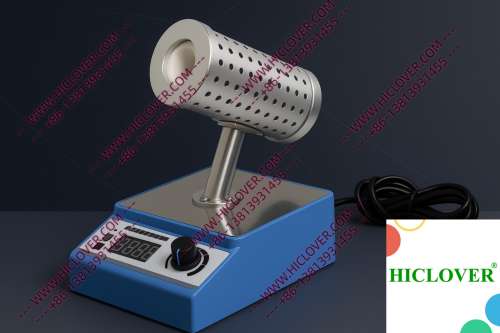
In today’s fast-paced medical environments, ensuring biosafety through effective sterilization is paramount. Bangalore, a hub for medical research and healthcare, faces increasing demands for laboratory sterilization equipment. Among the essential tools in this toolkit are the Micro Incinerators, also known as Infrared Inoculating Loop Sterilizers. Unlike traditional flame sterilizers, these devices provide a quick, safe, and reliable solution to contamination control.
Laboratory Biosafety Challenges and Sterilization Workflow Demands
Laboratories, especially those operating at BSL-2 and BSL-3 levels, confront several biosafety challenges. Ensuring that microorganisms and pathogens do not escape the confines of the laboratory is critical. With rapid thermal sterilization, facilities can maintain a sterile environment free from cross-contamination. The evolving landscape of medical and clinical diagnostics also necessitates that equipment adheres to strict sterilization protocols.
Technical Principles Behind Infrared Sterilization
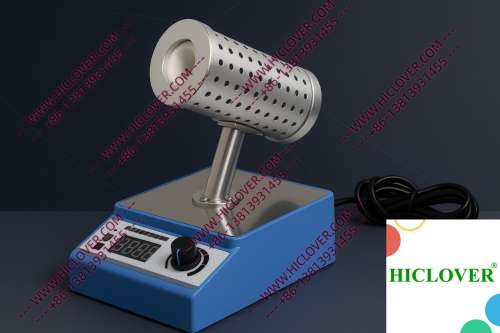
The Micro Incinerator utilizes cutting-edge technology such as an enclosed ceramic heating chamber that emits infrared heat. This principle ensures high-temperature disinfection without producing aerosols, which can compromise clean bench settings. The rapid heating of inoculating loops or other instruments leads to thorough sterilization, effectively eliminating spores, bacteria, and viruses in seconds. This is especially relevant for laboratories that require both speed and efficiency in maintaining sterility.
Configurations and Design Features
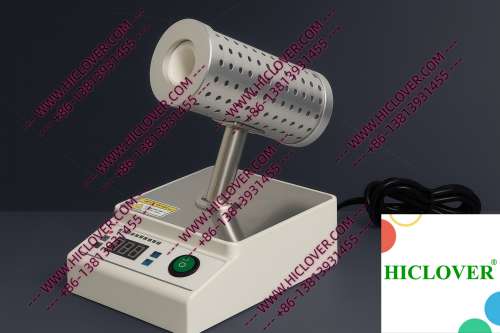
The Micro Incinerator is designed for user convenience. It features a compact, portable design, which is beneficial for various laboratory environments such as:
- Biosafety cabinets
- Field testing sites
- University teaching labs
Through thermal stability and rapid heating, the Infrared Sterilizer provides a clean-bench-safe user experience, distinguishing itself from traditional Bunsen burners that frequently generate harmful fumes and require more extensive cleaning protocols.
Application Scenarios in Real Labs
1. Biosafety Cabinet Usage: In a busy microbiology lab operating at BSL-2, researchers must maintain stringent sterilization standards. The Micro Incinerator can be seamlessly integrated into biosafety cabinets, allowing researchers to sterilize inoculating loops and other tools without exposing themselves to dropping contaminants.
2. Field Testing Laboratories: For mobile field testing labs assessing water safety in rural areas near Bangalore, the Micro Incinerator’s portability and lightweight design offer an efficient solution. It enables technicians to ensure their equipment is sterile without relying on traditional flame sterilizers.
Compliance with Biosafety Standards
Adhering to WHO biosafety guidelines and laboratory sterilization standards is non-negotiable for labs in Bangalore and everywhere else. Traditional flame sterilizers pose several disadvantages: they produce aerosols, their flame can pose a fire hazard, and they may not meet the cleanliness requirements of modern clean rooms. In contrast, infrared sterilizers operate with no flame, safeguarding the environment against contamination.
Comparison of Sterilization Equipment
| Feature | Micro Incinerator | Traditional Flame Sterilizers |
|---|---|---|
| Safety | Flame-free operation | Fire hazard and aerosol generation |
| Speed | Instant heating | Longer warm-up time |
| Cleanliness | No smoke or residue | Requires cleaning due to soot and spills |
| Energy Efficiency | Low power consumption | Higher energy use |
These features break down barriers, ensuring compliance with industry standards that demand cleanliness and efficacy in sterilization practices.
Frequently Asked Questions
What are the benefits of using a Micro Incinerator over traditional flame sterilizers?
Micro Incinerators provide numerous advantages, including rapid sterilization, reduced aerosol generation, and a clean, safe working environment.
How does infrared heat work in sterilization?
Infrared heat penetrates microbial cells, leading to their destruction without compromising sterility.
Can Micro Incinerators be used in field testing labs?
Yes, their portability and ease of use make them an ideal option for mobile or field testing environments.
What safety protocols should I consider when using laboratory sterilizers?
Always follow the manufacturer’s guidelines, wear appropriate personal protective equipment, and ensure your workspace is well-ventilated.
Are Micro Incinerators easy to maintain?
Yes, they require minimal maintenance due to the absence of soot and residue that traditional flame sterilizers accumulate.
Conclusion
In a region aspiring to lead in healthcare and research resources like Bangalore, the integration of advanced sterilization equipment, such as Micro Incinerators, is vital. Their safety, efficiency, and compliance with both local and international standards empower laboratories to provide high-quality service. If you are interested in upgrading your laboratory sterilization processes or need more information about our products, please do not hesitate to contact us today!
Categories:
Tags: