
In today’s fast-paced laboratory environments, maintaining biosafety while ensuring efficient workflow is paramount. Hospitals and research labs in Buffalo face numerous challenges, from controlling contamination to adhering to stringent health regulations. As such, the choice of laboratory sterilization equipment has become critical, with the Micro Incinerator / Infrared Inoculating Loop Sterilizer emerging as a popular and effective tool for ensuring sterility.
The Challenges of Laboratory Biosafety
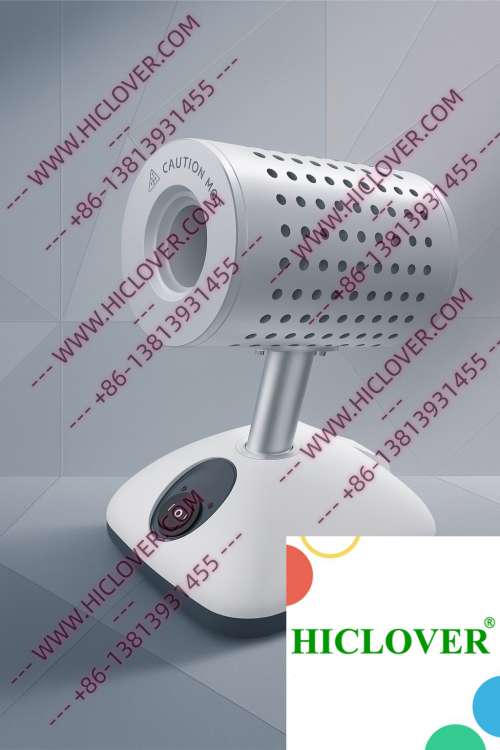
Laboratories operating in the healthcare sector must consistently confront issues such as aerosol generation and surface contamination. Traditional flame sterilization methods, including alcohol lamps and Bunsen burners, often introduce hazards associated with open flames, especially in sensitive environments like biosafety cabinets or cleanrooms. The need for a safe, efficient, and fast sterilization technique is evident.
The Micro Incinerator offers a solution by deploying rapid thermal sterilization. Utilizing infrared heat generates high temperatures in a controlled, enclosed space, effectively eliminating microbial presence without the risks associated with flames. These qualities make it an invaluable asset for a variety of settings, including clinical diagnostics, university teaching labs, and even field testing scenarios.
Technical Principles of the Micro Incinerator
At its core, the Micro Incinerator operates on the principle of infrared high-temperature disinfection. The device features an enclosed ceramic heating chamber that rapidly reaches temperatures essential for sterilization while minimizing the release of aerosols. This design ensures clean-bench-safe operations, protecting both laboratory personnel and research integrity.
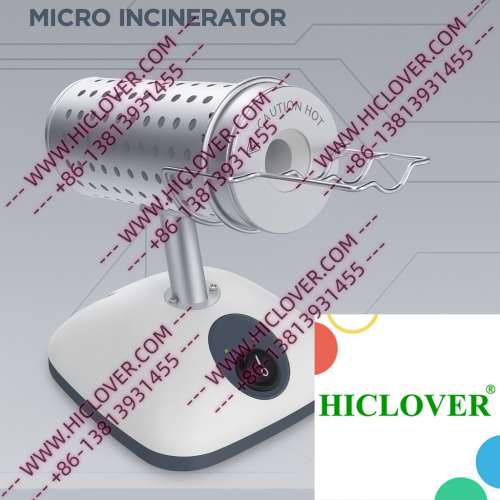
Additionally, the micro incinerator’s ergonomic design allows for ease of use, enabling swift sterilization of inoculating loops, needles, and other small instruments in a matter of seconds. This quick turnaround is crucial for labs with high throughput demands, where time is of the essence in processing samples.
Application Scenarios in Real Labs
1. Biosafety Cabinet Operations
In BSL-2 and BSL-3 microbiology labs, where pathogenic organisms are routinely handled, maintaining stringent sterilization protocols is crucial. The Micro Incinerator can be easily integrated within biosafety cabinets, enabling researchers to sterilize tools without compromising the sterile environment. Moreover, its aerosol-free handling ensures that no infectious agents contaminate the workstation.
2. Field Testing Laboratories
Field testing labs that conduct on-site sample analyses benefit from the portability and convenience of the Micro Incinerator. For instance, during environmental sampling for clinical diagnostics, personnel can quickly sterilize their instruments between samples without needing extensive setups. This is especially beneficial in mobile labs where maintaining a sterile environment can be challenging.
Compliance and Environmental Considerations
Compliance with international biosafety standards, such as those outlined by the WHO, is essential in laboratory settings. The Micro Incinerator meets lab sterilization standards, offering a flame-free solution that is safe for clean rooms. This feature addresses the environmental concerns associated with smoke and chemical residues often produced by traditional sterilization methods, thus aligning with sustainability practices in healthcare.
As hospitals and laboratories in Buffalo ramp up their efforts to comply with these standards, the Micro Incinerator proves itself as a necessary addition to their sterilization protocols. Its reliability and efficiency make it an indispensable tool in the fight against contamination.
Comparison: Micro Incinerator vs. Flame Burners
| Feature | Micro Incinerator | Flame Burners |
|---|---|---|
| Safety | No open flame; reduces fire hazards | Open flame; increased fire risk |
| Efficiency | Rapid thermal sterilization | Slower; depends on flame intensity |
| Aerosol Control | Aerosol-free handling | May generate aerosols |
| Portability | Compact and lightweight | Bulkier equipment |
| Ease of Use | User-friendly interface | Requires operator experience |
Frequently Asked Questions
- What is the primary advantage of using a Micro Incinerator over traditional flame sterilizers? The Micro Incinerator offers improved safety and aerosol-free handling, making it suitable for sensitive lab environments.
- Can the Micro Incinerator be used in mobile labs or field testing? Yes, its compact design makes it ideal for use in field testing labs.
- How does the Micro Incinerator comply with biosafety standards? It meets international lab sterilization standards while providing a flame-free sterilization method.
- What types of instruments can be sterilized using this device? The Micro Incinerator is designed to effectively sterilize inoculating loops, needles, and other small laboratory instruments.
- Is training required to use the Micro Incinerator? While it is user-friendly, some training is recommended to ensure optimal use and safety practices.
Conclusion
As Buffalo’s healthcare laboratories continue to navigate the complexities of biosafety regulations and operational demands, instituting reliable sterilization practices becomes vital. The Micro Incinerator / Infrared Inoculating Loop Sterilizer illustrates a promising solution, combining safety with efficiency. By utilizing this advanced sterilization equipment, laboratories can enhance their workflows while prioritizing the health and safety of their personnel.
If you’re interested in upgrading your lab equipment to include the Micro Incinerator, feel free to reach out or explore our offerings today!
Categories:
Tags: