
In the bustling health care landscape of Cleveland, ensuring patient safety goes beyond routine check-ups and advanced treatments; it involves stringent laboratory biosafety measures. One of the key players in this regard is the sterilization of laboratory equipment. As laboratories face challenges like contamination control and rapid sterilization demands, the Micro Incinerator—also known as the Infrared Inoculating Loop Sterilizer—emerges as a vital tool in the sterilization workflow.
Understanding the Technical Principles of Micro Incinerators
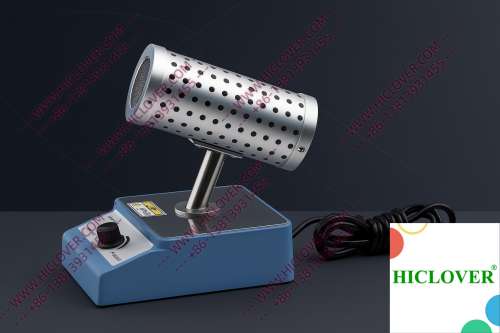
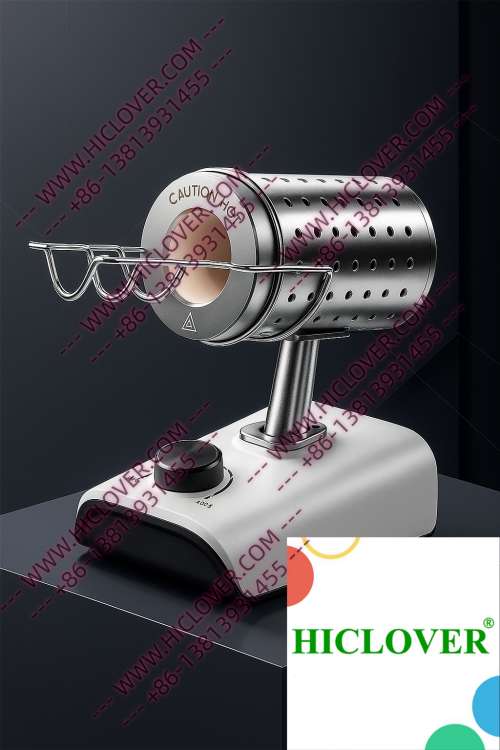
The Micro Incinerator operates on the principle of rapid thermal sterilization through infrared heat. Unlike traditional flame sterilizers, such as alcohol lamps and Bunsen burners, this innovative device provides a clean and controlled method of sterilization. At its core, the Micro Incinerator features an enclosed ceramic heating chamber that generates high temperatures quickly, enabling efficient disinfection without introducing consumers to the risks associated with open flames.
Key Features of the Micro Incinerator
- Rapid Sterilization: Heats up in seconds, allowing for immediate use in busy labs.
- Aerosol-Free Handling: Eliminates the risks associated with flame-generated aerosols.
- Clean-Bench-Safe: Operates safely in biosafety cabinets and cleanrooms, protecting sensitive environments.
- Energy Efficiency: Consumes less energy compared to traditional gas flames.
- Minimizing the risk of fire hazards with flame-free operation.
- Meeting sterilization standards mandated by WHO and local health departments.
- Supporting the safe use of tools in clean environments, such as CO₂ incubators and anaerobic chambers.
Applications in Laboratory Settings
The adaptability of the Micro Incinerator makes it particularly valuable across different laboratory settings. Below are two application scenarios that illustrate its significance.
Biosafety Cabinets
In BSL-2 and BSL-3 microbiology labs, where handling pathogens is routine, the Micro Incinerator is commonly used within biosafety cabinets. Its rapid heat generation allows laboratory personnel to sterilize inoculating loops without exposing themselves or the environment to open flames. This enhances the safety of the workspace and drastically reduces the chance of contamination or accidental ignition of flammable materials typically found in such labs.
Mobile and Field Testing Labs
Field testing labs rely on the portability and rapid operation of sterilizers. The Micro Incinerator’s lightweight design and quick startup time make it ideal for outdoor environments, where traditional sterilization methods might be impractical. For instance, in scenarios requiring rapid culture inoculation on-site, researchers can confidently sterilize their loops without needing bulky gas tanks or open flames, thus ensuring compliance with biosafety standards even in less controlled environments.
Compliance with Biosafety Standards
Compliance with biosafety regulations, such as those outlined by the World Health Organization (WHO), is crucial for any medical or research facility. The Micro Incinerator aligns with lab sterilization standards, ensuring that procedures minimize biological risks. It plays a significant role in environments that forbid open flames—like cleanrooms—thus enhancing operational safety.
Biosafety Compliance Reference
By adopting the Micro Incinerator, laboratories can meet essential biosafety requirements:
Comparison of Micro Incinerator vs. Traditional Flame Sterilizers
| Feature | Micro Incinerator | Flame Sterilizers |
|---|---|---|
| Startup Time | Seconds | Minutes |
| Contamination Risk | Low | High |
| Energy Source | Electric | Flammable Gas |
| Portability | High | Low |
FAQs
What is the primary advantage of using a Micro Incinerator over traditional flame sterilizers?
The primary advantage is that it offers a flame-free method of sterilization, minimizing combustion-related risks and reducing contamination in sensitive laboratory environments.
Can the Micro Incinerator be used in field testing labs?
Yes, its portability and quick startup make it ideal for field testing labs, where traditional sterilization methods may be impractical.
Are Micro Incinerators compliant with WHO standards?
Yes, they meet the required biosafety standards outlined by WHO, ensuring safe operation in labs handling biohazardous materials.
How does the Micro Incinerator ensure aerosol-free handling?
By utilizing infrared heat, the Micro Incinerator is designed to eliminate the need for flame, which in turn minimizes the creation of aerosols during the sterilization process.
Is the Micro Incinerator suitable for classroom settings in universities?
Absolutely! Its ease of use and safety makes it an excellent choice for university teaching labs where students can learn about sterilization without the hazards associated with open flames.
Conclusion
Incorporating the Micro Incinerator into Cleveland’s health care system not only enhances laboratory workflows but also significantly improves biosafety standards. As labs continue to face the pressing demands of rapid sterilization and contamination control, this innovative technology stands out as a reliable solution. If you are in charge of laboratory operations, consider upgrading your sterilization equipment to improve safety and compliance. For more information or to make a purchase, feel free to reach out to our team today!
Categories:
Tags: