
In the realm of modern laboratory biosafety, ensuring sterile environments is a primary concern, particularly in Oklahoma City, where healthcare demands are rapidly evolving. The need for effective laboratory sterilization equipment, such as the Micro Incinerator or Infrared Inoculating Loop Sterilizer, caters to the challenges posed by contamination and safety compliance. This article explores the critical role these sterilizers play in laboratory settings today, their technical principles, applications, compliance standards, and why they are becoming the preferred choice over traditional flame sterilizers.
Understanding the Technical Principles
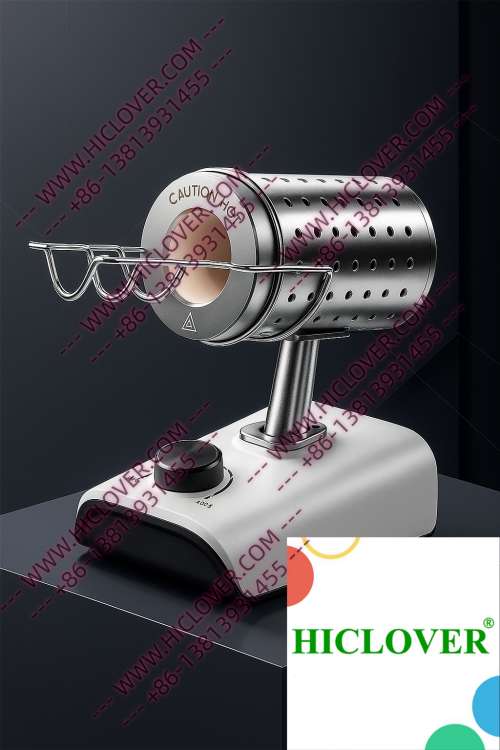
The Micro Incinerator harnesses the power of infrared heat for rapid thermal sterilization. This advanced sterilization technology employs an enclosed ceramic tube that can reach temperatures sufficient for the destruction of a wide array of microorganisms. As the infrared heat radiates, it penetrates the inoculating loop or other instruments, ensuring that sterilization occurs without introducing contaminants across the workspace. This mechanism eliminates the need for open flames, thus creating a safer vicinity in which biosafety lab technicians can operate.
- Rapid Thermal Sterilization: Operates at high temperatures to ensure quick sterilization.
- Contamination Control: Reduces the risk of airborne microorganisms.
- Aerosol-Free Handling: Minimizes the risk of aerosol transmission in enclosed environments.
- Clean-Bench-Safe: Ideal for use in BSL-2 or BSL-3 microbiology labs.
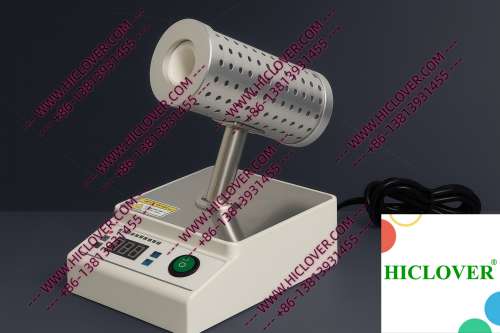
Application Scenarios in Real Labs
Biosafety Cabinets and Teaching Labs
In many university teaching labs, the Micro Incinerator is a common fixture for student training sessions. Its ability to provide sterile inoculating loops without the hazards associated with traditional flame methods makes it an ideal tool for instructing future microbiologists. Students can learn proper cultural techniques while focusing on experiment integrity without the distraction of flame-based hazards.
In clinical diagnostics, a similar reliance on the Micro Incinerator can be observed. By integrating it within biosafety cabinets, technicians are ensured a controlled environment for processing samples. The absence of flames greatly mitigates risks associated with volatile chemicals and combustible materials that may be present in diagnostic samples, enhancing safety during sterile procedures.
Mobile and Field Testing Labs
Additionally, in mobile lab setups for field testing—especially in rural areas surrounding Oklahoma City—the Micro Incinerator proves invaluable. Here, the need for mobility coupled with efficiency is crucial. Its compact design allows for easy transportation, while its rapid sterilization capabilities ensure that microbial assays can be accurately and safely performed on-site.
Compliance and Environmental Considerations
Adhering to WHO biosafety standards is paramount for any facility aiming to maintain high safety protocols. Laboratory sterilization standards dictate that all biological materials must undergo rigorous sterilization processes before disposal or further use. The Micro Incinerator aligns seamlessly with these principles due to its efficient sterilization capabilities that do not produce harmful byproducts.
Moreover, the elimination of flames in clean rooms is necessary for preventing contamination. Traditional flame sterilizers, such as Bunsen burners and alcohol lamps, can create unwanted particulates and affect the sterile atmosphere required in sensitive environments. Hence, the Micro Incinerator not only complies with local and international guidelines but also promotes a cleaner working environment.
Advantages Over Traditional Flame Sterilizers
| Feature | Micro Incinerator | Flame Sterilizers |
|---|---|---|
| Safety | Infrared technology eliminates open flames | Risk of fire and burns |
| Speed | Rapid thermal sterilization | Inconsistent flame heating |
| Contamination Risk | Aerosol-free handling | Airborne contaminants possible |
| Cleanliness | Does not introduce particulates | Can produce soot and byproducts |
Frequently Asked Questions (FAQs)
1. How does the Micro Incinerator compare to traditional sterilization methods?
The Micro Incinerator offers a combination of rapid sterilization, safety, and efficiency, making it superior to traditional methods like Bunsen burners, which carry risks of fire and contamination.
2. Is the Micro Incinerator suitable for use in BSL-3 labs?
Yes, it is well-suited for use in BSL-3 labs, providing a safe option for sterilization while handling potentially infectious agents.
3. Can the Micro Incinerator be used in field testing scenarios?
Absolutely! Its portability and efficiency make it ideal for mobile or field testing labs, ensuring quick sterilization on-site.
4. What measures are in place to ensure compliance with biosafety standards?
The Micro Incinerator adheres to WHO biosafety standards and laboratory sterilization guidelines to ensure effective and safe sterilization processes.
5. How does it improve workflow in teaching labs?
Its user-friendly design enhances the learning experience by eliminating the distractions and risks associated with flame-based sterilization methods.
Conclusion
The transition to advanced laboratory sterilization equipment, particularly the Micro Incinerator, is paving the way for safer and more efficient operations in Oklahoma City’s labs. By embracing this technology, facilities can enhance their operational safety, comply with stringent biosafety standards, and significantly improve workflows. Explore the options available for your laboratories today and take a step toward elevating your sterilization practices with state-of-the-art equipment.
Categories:
Tags: