
Laboratory biosafety challenges have become increasingly pronounced in today’s healthcare ecosystem, especially within hospitals in Los Angeles. The demand for precise sterilization methods in laboratories has significantly escalated, as microbiology and clinical diagnostics require stringent protocols for contamination control. Among the various sterilization equipment available, the Micro Incinerator, also known as the Infrared Inoculating Loop Sterilizer, presents a cutting-edge solution that meets these evolving needs while enhancing workflow efficiency.
Understanding the Technical Principles
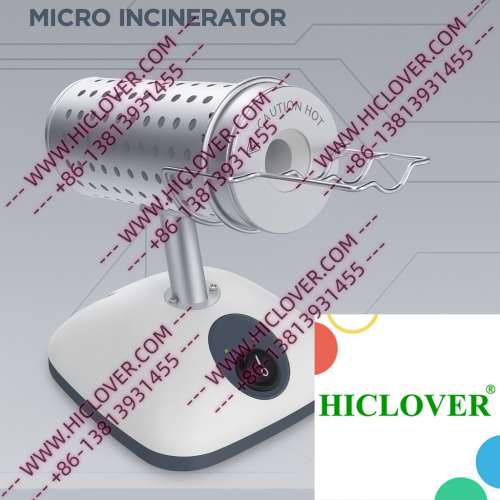
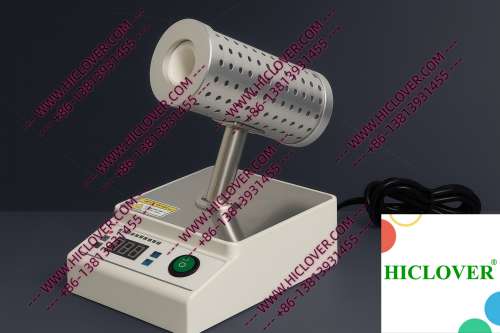
The Micro Incinerator employs an innovative approach to laboratory sterilization through the utilization of infrared heat. By leveraging a high-temperature ceramic heating chamber, the device can achieve rapid thermal sterilization without the environmental hazards associated with traditional flame sterilizers such as alcohol lamps and Bunsen burners. Unlike flames, which can introduce volatile substances and create aerosols, the enclosed ceramic tube of the Micro Incinerator ensures a cleaner, safer operation, reducing the risk of cross-contamination significantly.
Applications in Real Laboratories
The Micro Incinerator is invaluable in several application scenarios that highlight its effectiveness and adaptability:
- Biosafety Cabinets: In BSL-2 or BSL-3 microbiology labs, the Micro Incinerator serves as an essential tool for sterilizing inoculating loops prior to culturing, ensuring that samples remain uncontaminated. Its compact design fits seamlessly in biosafety cabinets, and its aerosol-free operation aligns with safety protocols.
- Teaching Laboratories: University teaching labs utilize the Micro Incinerator for instructional purposes, allowing students to safely practice microbiological techniques without the dangers posed by open flames. This not only enhances safety but also provides a reliable method for rapid microbial inoculation and elimination.
Compliance with Biosafety Standards
Maintaining compliance with biosafety standards is integral in laboratory settings, where safety and sterility are paramount. The World Health Organization (WHO) and other regulatory bodies emphasize the importance of adhering to strict lab sterilization standards. With clean rooms and controlled environments, implementing sterilizers like the Micro Incinerator circumvents the risks associated with flame sterilizers, making it an ideal choice for environments where the presence of flames must be limited.
Furthermore, non-flame sterilization methods are recommended to prevent the generation of aerosols that can compromise environmental sterility, which is pivotal when working with sensitive cultures in clean-bench settings.
Benefits Over Traditional Flame Sterilizers
When comparing the Micro Incinerator to traditional flame sterilizers, numerous advantages become apparent:
| Feature | Micro Incinerator | Flame Sterilizers |
|---|---|---|
| Heat Source | Infrared High-Temperature | Open Flames |
| Safety | Clean-Bench-Safe | Hazardous Aerosols |
| Rapid Sterilization | Yes | No |
| Ease of Use | Simple Operation | Requires Flame Management |
| Maintenance | Minimal | Higher |
Conclusion: Invest in Safety and Efficiency
The Micro Incinerator is revolutionizing lab sterilization in hospitals across Los Angeles, providing a robust alternative to traditional flame sterilizers. Its technical advancements, coupled with compliance to biosafety standards, make it an essential tool for any laboratory aiming to maintain high levels of safety and efficiency. To elevate your laboratory’s sterilization protocol and enhance your workflow, consider incorporating the Micro Incinerator into your operations.
Frequently Asked Questions
What is a Micro Incinerator used for?
The Micro Incinerator is primarily used for sterilizing inoculating loops and other laboratory tools in a safe and efficient manner, preventing cross-contamination during microbial culture procedures.
How does infrared sterilization compare to traditional methods?
Infrared sterilization is faster and safer than traditional flame methods, as it avoids the risks of aerosols and open flames, ensuring cleaner and more controlled sterilization.
Are there specific labs where a Micro Incinerator is more beneficial?
Yes, the Micro Incinerator is particularly beneficial in BSL-2 and BSL-3 labs, clinical diagnostics settings, and teaching laboratories where safe and effective sterilization is crucial.
Is the Micro Incinerator compliant with global biosafety standards?
Absolutely, it adheres to WHO guidelines and other lab sterilization standards, making it suitable for use in environments that demand high levels of sterility.
Can I use the Micro Incinerator in a field testing scenario?
Yes, the portability and efficiency of the Micro Incinerator make it suitable for mobile labs and field testing environments, where rapid sterilization is needed in less controlled settings.
Categories:
Tags: