
In today’s biotechnological landscape, laboratory biosafety is paramount. Hospitals across Flint, Michigan, confront numerous challenges when it comes to sterilizing laboratory equipment to prevent contamination. Effective sterilization workflows are crucial, not just in ensuring that diagnostic tests and research yield accurate results, but also in protecting health care workers and patients alike. One standout piece of equipment that is making waves in the sterilization realm is the Micro Incinerator, or Infrared Inoculating Loop Sterilizer.
Understanding Loop Sterilizers
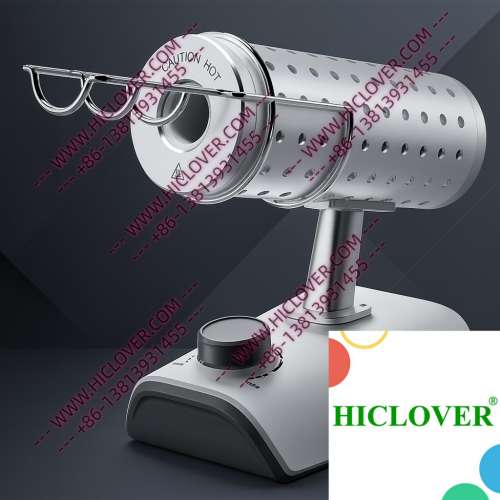
The Micro Incinerator operates on the principle of rapid thermal sterilization using infrared heat. Unlike traditional flame sterilizers—such as Bunsen burners and alcohol lamps—the Micro Incinerator employs an enclosed ceramic tube. This ceramic heating chamber can achieve temperatures upwards of 800°C within seconds, providing efficient sterilization that’s not only rapid but also safer to use in clean environments.
With aerosol-free handling, the Micro Incinerator eliminates the risk of flame-related accidents while significantly reducing the potential for contamination via aerosolized particles. This feature is particularly vital in high-stakes environments, such as BSL-2 and BSL-3 microbiology labs, where research integrity and personnel safety are non-negotiable.
Applications of the Micro Incinerator
1. Biosafety Cabinets
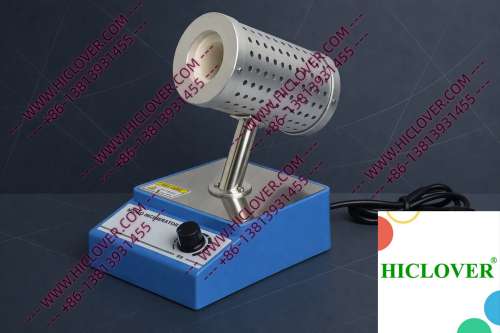
In a biosafety cabinet, the Micro Incinerator ensures that inoculating loops are sterilized without compromising the sterile environment. The high-temperature disinfection guarantees that tools are free from pathogens before they ever come into contact with cell cultures or microbiological samples. This adherence to strict sterilization protocols aligns with WHO biosafety standards, which emphasize the importance of contamination control in laboratory settings.
2. Teaching Labs
In university teaching labs, where students learn the fundamentals of microbiological techniques, the Micro Incinerator also shines. Inoculating loops used for transferring cultures must be sterilized quickly and efficiently. The ease of operation coupled with its safety features allows students to focus on learning without the distractions or hazards associated with using open flames.
3. Field Testing Labs
Mobile or field testing laboratories also benefit significantly from the Micro Incinerator. When conducting tests in remote locations, equipment must be compact, portable, and reliable. The Micro Incinerator offers all these advantages, providing safe sterilization regardless of the surroundings. This adaptability is crucial, especially in rural health initiatives or during pandemic responses when outbreaks are being managed outside traditional clinical settings.
Compliance and Environmental Considerations
Laboratories are required to comply with various biosafety regulations and standards. The Micro Incinerator adheres to WHO guidelines for laboratory sterilization, making it a compliant choice for institutions engaged in microbial research and diagnostics. Furthermore, its design eliminates flame-related hazards, making it an ideal fit for cleanrooms where even minimal disruption can lead to contamination issues.
Compared to traditional methods, the Micro Incinerator leads the way in promoting a safer working environment. Below is a comparison table illustrating the advantages of using a Micro Incinerator over traditional flame sterilizers:
| Feature | Micro Incinerator | Flame Sterilizers |
|---|---|---|
| Temperature Control | Precise infrared heating | Variable, less controlled |
| Safety | No open flame | Fire hazard |
| Speed | Instant heating | Slower to heat |
| Portability | Compact and lightweight | Heavier, bulkier |
| Aerosol Control | Zero aerosolization risks | Aerosols produced |
FAQs
- What is a Micro Incinerator?
A Micro Incinerator is an infrared inoculating loop sterilizer that uses high temperatures to achieve rapid thermal sterilization without the use of an open flame. - How does the Micro Incinerator ensure safety during operations?
By employing enclosed ceramic tubes and infrared heat, it eliminates the risks associated with flames, making it safe for use in clean environments. - Where can the Micro Incinerator be used effectively?
It can be effectively utilized in biosafety cabinets, educational laboratories, and mobile field testing labs, ensuring sterilization across various situations. - Why is compliance important in laboratory sterilization?
Compliance is critical for biosafety, ensuring that sterilization practices align with guidelines set forth by organizations like the WHO, thus safeguarding researchers and health workers. - How is the Micro Incinerator different from traditional sterilizers?
Unlike traditional flame sterilizers, the Micro Incinerator provides precise temperature control, portability, and superior safety, eliminating aerosol hazards while maintaining a sterile workspace.
Conclusion
The Micro Incinerator is revolutionizing sterilization protocols in Flint’s hospitals and laboratories, offering an efficient, safe, and regulatory-compliant solution. As hospitals strive to meet high biosafety standards, investing in reliable lab sterilization equipment like the Micro Incinerator is not just a good idea—it’s essential. For more information or to discuss how the Micro Incinerator can enhance your laboratory operations, please reach out to our dedicated sales team today!
Categories:
Tags: