
In the intricate world of laboratory work, biosafety challenges and sterilization workflow demands are ever-present. Whether it’s a bustling research center in Helsinki or a small university lab, the need for efficient sterilization solutions has never been more significant. Among various sterilization equipment, the Micro Incinerator, or Infrared Inoculating Loop Sterilizer, has emerged as a game-changer.
Technical Principles and Design of Micro Incinerators
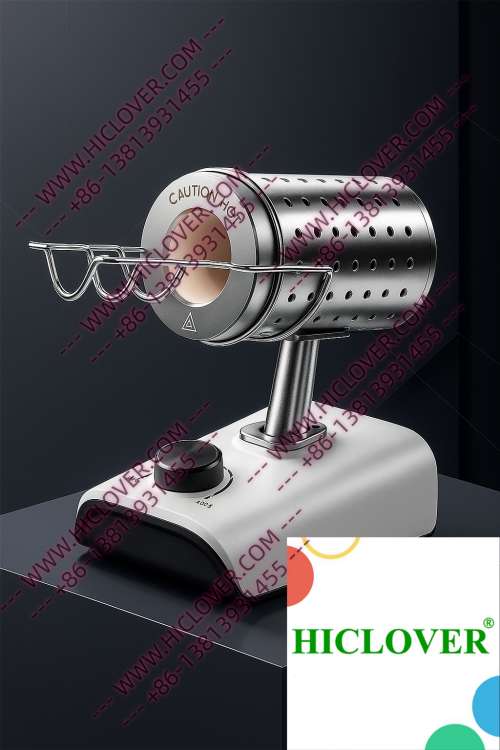
The Micro Incinerator’s operational principle is based on rapid thermal sterilization using an enclosed ceramic heating chamber that produces infrared high-temperature disinfection. This innovative design not only enhances efficiency but also significantly minimizes risks associated with traditional flame sterilizers such as alcohol lamps and Bunsen burners.
- Infrared Heat: Generates sterile conditions in mere seconds.
- Clean-bench-safe: Operates efficiently in Class II biosafety cabinets and clean rooms.
- Aerosol-free Handling: Eliminates aerosol generation, reducing contamination risks.
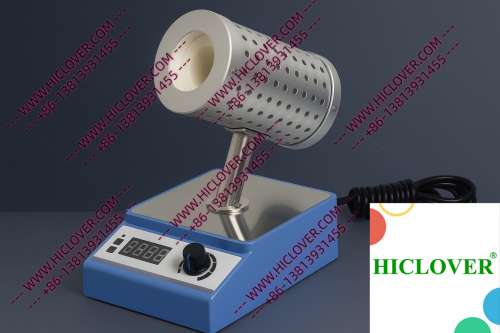
The micro incinerator often includes adjustable settings, allowing technicians to calibrate the heat intensity according to the nature of the work. The enclosed ceramic tube further ensures that the heat is concentrated and directed exclusively where it is needed, facilitating effective sterilization while preserving the surrounding environment.
Applications in Medical Labs
Scenario 1: Uses in BSL-2 and BSL-3 Microbiology Labs
In BSL-2 and BSL-3 microbiology labs, where handling of potentially dangerous pathogens is routine, the Micro Incinerator plays a vital role. For example, lab technicians use it within a biosafety cabinet to sterilize inoculating loops quickly after transferring bacterial cultures. The absence of an open flame not only enhances safety for the technician but also maintains the integrity of the lab environment free from smoke and soot contamination.
Scenario 2: University Teaching Labs
University teaching labs also benefit substantially from the implementation of Micro Incinerators. Students learning microbiological techniques can utilize this tool to conduct experiments safely. The design enables clear visibility of the sterilization process while promoting compliance with safety protocols. The ease of use encourages best practices from the onset of their training, ensuring future professionals are well-versed in modern sterilization techniques.
Biosafety Compliance and Environmental Considerations
Laboratories today are not only challenged to maintain operational efficiency but also to comply with stringent biosafety standards. According to the World Health Organization (WHO), adherence to biosafety protocols is paramount in preventing contaminations. Traditional sterilization methods, including flame sterilizers, pose various risks, particularly in clean rooms where open flames are prohibited. A Micro Incinerator’s closed design aligns perfectly with these safety standards, making it suitable for sensitive laboratory environments.
When considering sterilization equipment, laboratories must also consider energy efficiency and environmental impact. Infrared sterilizers operate more efficiently than traditional flame-based systems, offering a reduction in energy costs while ensuring a lower carbon footprint. The quick sterilization cycle minimizes power consumption, making it an environmentally responsible choice.
Advantages Over Traditional Flame Sterilizers
In recent years, laboratory professionals have increasingly turned to Micro Incinerators due to their numerous advantages over conventional flame sterilizers:
| Feature | Micro Incinerator | Flame Sterilizer |
|---|---|---|
| Type of Flame | No open flame | Open flame |
| Safety | Reduced risk of fire | Higher risk of burns |
| Precision | Adjustable heat settings | Fixed heat output |
| Usage Location | Compatible with clean rooms | Not suitable for clean rooms |
| Contamination Control | Aerosol-free | Aerosol generation risk |
Frequently Asked Questions
1. What is a Micro Incinerator, and how does it work?
A Micro Incinerator is an advanced sterilization device that employs infrared heat within a ceramic chamber to rapidly and efficiently sterilize inoculating loops without producing aerosols or open flames.
2. Why is a Micro Incinerator essential in biosafety labs?
It provides rapid thermal sterilization essential for maintaining sterile conditions, minimizes contamination risks, and ensures compliance with strict biosafety regulations.
3. Can Micro Incinerators be used in teaching labs?
Yes, they are ideal for teaching labs as they promote safety and best practices while allowing students hands-on experiences in modern sterilization techniques.
4. What are the environmental benefits of using a Micro Incinerator?
Micro Incinerators are energy-efficient, reduce carbon footprint, and offer a sustainable alternative to traditional flame sterilizers, leading to less environmental impact.
5. Are Micro Incinerators compliant with WHO biosafety standards?
Yes, the enclosed design and efficiency of Micro Incinerators align with WHO biosafety standards, making them suitable for high-safety laboratories.
Conclusion
As laboratory procedures continue to evolve, ensuring safety and compliance is non-negotiable. The Micro Incinerator / Infrared Inoculating Loop Sterilizer exemplifies modern sterilization technology, enabling laboratories in Helsinki and beyond to meet the rigorous demands of biosafety protocols and workflow efficiency. For those seeking top-quality sterilization solutions, investing in a Micro Incinerator will not only enhance laboratory safety but streamline sterilization processes.
Ready to elevate your laboratory’s safety practices? Contact us today for more information or to make a purchase!
Categories:
Tags: