
In today’s rapidly evolving healthcare landscape, laboratory biosafety challenges are at the forefront of laboratory operations. Laboratories must adhere to stringent sterilization protocols to ensure the integrity of their research, prevent contamination, and protect public health. The evolution of sterilization technology has led to the rising popularity of Micro Incinerators and Infrared Inoculating Loop Sterilizers, which provide a state-of-the-art solution for rapid thermal sterilization, particularly in Louisville’s healthcare labs.
Understanding the Technology Behind Micro Incinerators
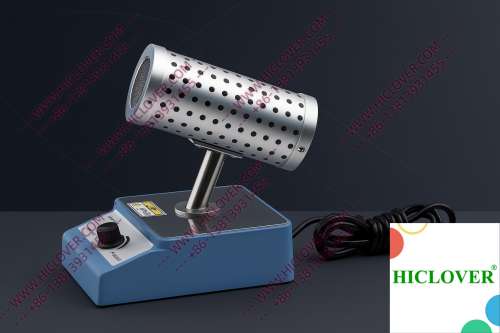
The primary function of a Micro Incinerator is to utilize infrared heat in a controlled environment for the effective sterilization of laboratory instruments, particularly inoculating loops. This method operates within an enclosed ceramic heating chamber, which ensures that high temperatures are reached quickly and maintained consistently. Unlike traditional flame sterilizers such as alcohol lamps or Bunsen burners, infrared sterilizers provide a clean, safe, and efficient means of sterilization that minimizes contamination risks.
Advantages of Infrared Inoculating Loop Sterilizers
- Rapid Sterilization: Infrared heat provides immediate disinfection, reducing downtime during laboratory workflows.
- Elimination of Open Flames: No flame means a decreased risk of fire hazards and safer working conditions in sensitive environments.
- Clean-Bench-Safe Operation: Protects against aerosol formation, maintaining a sterile workspace ideal for biosafety cabinets or clean rooms.
- Reduced Contamination: The enclosed design minimizes the risk of cross-contamination during use.
Application Scenarios in Louisville Laboratories
Biosafety Cabinets
Within BSL-2 and BSL-3 microbiology labs in Louisville, Micro Incinerators play a crucial role. In a biosafety cabinet, where contamination control is vital, using an infrared inoculating loop sterilizer allows for efficient and effective sterilization between procedures. The rapid thermal sterilization capability ensures that lab personnel can maintain high productivity levels without compromising safety. Moreover, the clean-bench-safe operation of these devices protects against aerosols that can escape from open flames.
University Teaching Labs
In educational settings, such as university teaching labs, the need to demonstrate proper sterilization techniques is critical. The Micro Incinerator serves as an excellent teaching tool, offering a visible and immediate example of effective sterilization methods. Instructors can guide students about best practices while ensuring safety protocols are upheld, thus preparing the next generation of scientists for the complexities of lab work.
Biosafety Compliance and Environmental Considerations
The use of Micro Incinerators aligns with WHO biosafety guidelines and laboratory sterilization standards. These devices contribute to environments where no open flame is permitted, especially in clean rooms where cleanliness and sterility are paramount. This compliance is crucial for labs focusing on clinical diagnostics and research, ensuring that all operations conform to federal and international safety standards.
“The use of infrared inoculating loop sterilizers offers a considerable advancement in laboratory safety and operational efficiency,” states a laboratory equipment specialist in Louisville. “They are indispensable in achieving compliance with biosafety protocols.”
Comparison: Micro Incinerator vs. Flame Burners
| Feature | Micro Incinerator | Flame Burners |
|---|---|---|
| Heating Method | Infrared heat | Open flame |
| Contamination Risk | Minimal | High |
| Safety | No flames; safe operation | Fire hazard |
| Efficiency | Rapid thermal sterilization | Slower heating; requires careful monitoring |
| Use in Clean Environments | Ideal for clean rooms | Not suited for clean environments |
Frequently Asked Questions
What are the main advantages of using a Micro Incinerator over traditional flame sterilizers?
The Micro Incinerator offers several advantages, including reduced contamination risk, no open flames, faster sterilization, and suitability for clean environments. These factors significantly enhance laboratory safety and efficiency.
How does the infrared sterilization process work?
The infrared sterilization process uses a heating element that emits infrared radiation, rapidly heating the inoculating loop to a high temperature within an enclosed ceramic chamber for efficient disinfection.
Are Micro Incinerators compliant with biosafety regulations?
Yes, Micro Incinerators conform to WHO biosafety standards, making them suitable for use in various laboratory settings, including BSL-2 and BSL-3 environments.
Can Micro Incinerators be used in field testing labs?
Absolutely! Their compact size and efficiency make them an ideal solution for mobile or field-testing applications, providing rapid and safe sterilization in non-traditional lab environments.
What is the maintenance required for a Micro Incinerator?
Maintenance is minimal and involves regular cleaning of the ceramic chamber and ensuring the heating elements are functioning properly. Routine checks help extend the product’s lifespan and maintain sterilization efficacy.
Conclusion: Prioritizing Safety and Efficiency in Laboratory Operations
As healthcare labs in Louisville and around the globe face increasing demands for safety and efficiency, adopting advanced sterilization technologies like the Micro Incinerator and Infrared Inoculating Loop Sterilizer is crucial. These devices not only enhance workflow but also uphold rigorous biosafety standards essential for protecting both personnel and research integrity. For more information on how to integrate these cutting-edge sterilization solutions into your laboratory operations, don’t hesitate to reach out to us. Ensuring your safety is our priority!
Categories:
Tags: