
Laboratories are at the heart of scientific progress, but they also pose significant biosafety challenges. Managing contamination control, especially in environments such as clinical diagnostics and microbiology labs, is critical. Among the key components of laboratory sterilization equipment, the Micro Incinerator or Infrared Inoculating Loop Sterilizer stands out as an invaluable tool, combining safety with efficacy. This article explores the sterilization workflow demands, the technical principles behind these devices, their applications in various laboratory settings, and the compliance needed to adhere to biosafety standards.
Understanding the Technology: Infrared Heat and Safety Features
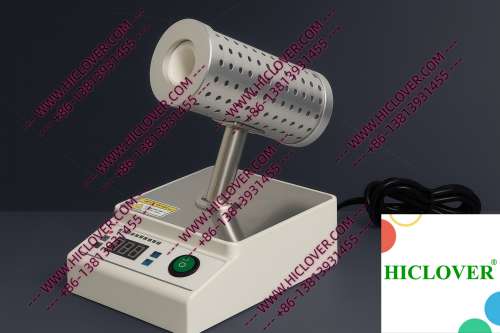
The Micro Incinerator operates on the principle of rapid thermal sterilization, utilizing infrared heat for high-temperature disinfection. Unlike traditional flame sterilizers such as alcohol lamps or Bunsen burners that produce an open flame, the Micro Incinerator uses a contained heating mechanism, featuring an enclosed ceramic tube. This design minimizes the risk of burns and fire hazards—an essential consideration in clean-room environments.
Infrared heating is not only efficient but also promotes consistent temperature control, which is critical in ensuring effective sterilization. The encapsulated ceramic chamber allows for quick heating and cooling cycles, providing the flexibility needed in fast-paced lab settings. As a clean-bench-safe option, it addresses contamination risks associated with aerosol generation, which can be a concern with flame-based sterilizers.
Practical Applications in Laboratory Environments
1. The Strict Demands of BSL-2 and BSL-3 Labs
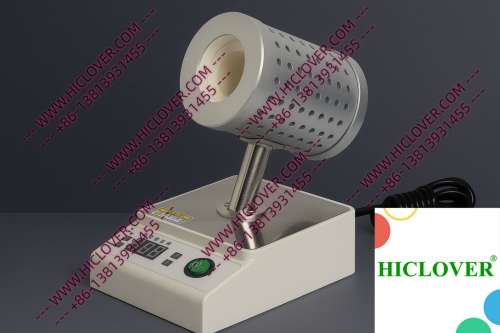
In microbiology labs, particularly those classified as Biosafety Level 2 (BSL-2) and Biosafety Level 3 (BSL-3), the need for stringent contamination control measures cannot be overstated. In these settings, the Micro Incinerator is indispensable. It is securely used in conjunction with biosafety cabinets, providing researchers with a rapid and effective means to sterilize inoculating loops and other small equipment without exposing the sterile work area to potential contaminants.
2. Teaching Labs: A Safe Learning Environment
University teaching labs also benefit greatly from implementing the Micro Incinerator. Educators can effectively demonstrate sterilization techniques while ensuring students operate in a safe environment. The no-flame characteristic avoids potential fire risks, making it an ideal tool for inexperienced hands. Students can focus on mastering essential laboratory skills without the added anxiety of handling a flame, all while adhering to best practices in contamination control.
Compliance and Environmental Considerations
Compliance with international biosafety standards is crucial for laboratories worldwide, including those in Fremont. The World Health Organization (WHO) outlines stringent guidelines for laboratory safety, emphasizing the need for effective sterilization methods that minimize the risk of infection or contamination. The Micro Incinerator aligns with these regulations by providing a flame-free method of sterilization, essential for maintaining high safety standards in cleanroom laboratories.
Moreover, adopting devices like the Micro Incinerator can significantly reduce the environmental footprint of sterilization processes. Traditional flame sterilizers often require the use of flammable liquids, which can pose additional risks and hazards. The infrared sterilizer’s design eliminates these concerns while aligning with best practices for sustainability in laboratory environments.
Comparison of Micro Incinerators and Traditional Flame Burners
| Feature | Micro Incinerator | Flame Burners |
|---|---|---|
| Heat Source | Infrared heat | Open flame |
| Safety | No exposure risk | High risk of fire |
| Environmental Impact | Minimal | Moderate to high |
| Efficiency | Rapid thermal sterilization | Slower heating and cooling |
| Ease of Use | User-friendly with no flame | Requires careful handling |
Frequently Asked Questions
- What is the main advantage of using a Micro Incinerator compared to traditional flame sterilizers?
The Micro Incinerator offers enhanced safety, unmatched efficiency in sterilization, and minimal environmental impact without the hazards associated with open flames.
- Can the Micro Incinerator be used in field laboratories?
Yes, its portability and safety features make it ideal for mobile or field testing labs where traditional flame sterilization poses serious risks.
- What types of labs benefit from using the Micro Incinerator?
Micro Incinerators are especially beneficial in BSL-2 and BSL-3 microbiology labs, clinical diagnostic labs, and teaching laboratories.
- Is the Micro Incinerator compliant with WHO biosafety regulations?
Yes, it adheres to WHO biosafety standards, offering a reliable means of contamination control in cleanroom environments.
- How does infrared sterilization work?
Infrared sterilization involves utilizing high-temperature infrared heat to rapidly and effectively eliminate all microbial life on sterilized tools or materials.
Conclusion: Elevate Your Laboratory’s Safety Standards
The adoption of Micro Incinerators in laboratory settings represents a significant advancement in ensuring safety and efficiency in sterilization processes. Whether you are a laboratory supply distributor, a research center, or an academic institution in Fremont or beyond, investing in high-quality Micro Incinerators can streamline your workflow while adhering to strict biosafety regulations. Reach out today to discuss how we can support your laboratory’s sterilization needs!
Categories:
Tags: