
In the fast-paced world of pathology labs, the need for robust safety measures cannot be overstated. As the frontline of diagnostics in clinical settings, labs face significant biosafety challenges, including contamination control and efficient sterilization of tools and equipment. One critical component of maintaining laboratory safety is the use of advanced sterilization equipment, notably the Micro Incinerator or Infrared Inoculating Loop Sterilizer.
Understanding the Micro Incinerator
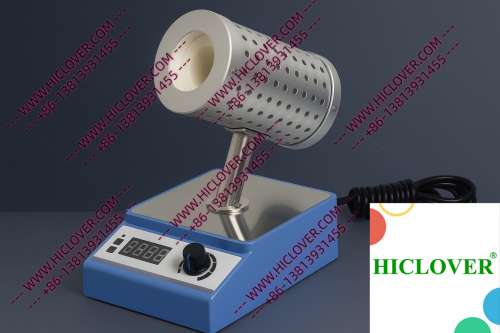
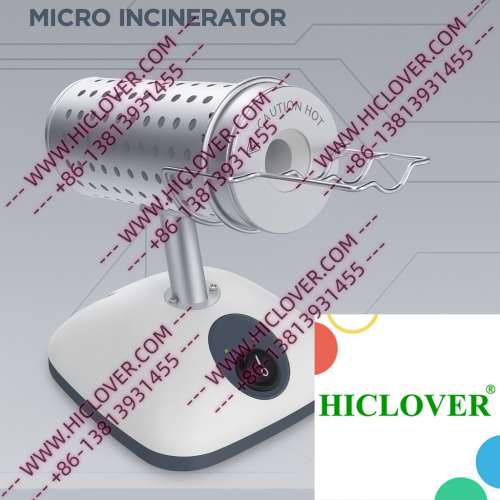
The Micro Incinerator operates on the principle of infrared heat, providing an efficient means of sterilization without relying on traditional methods like alcohol lamps or Bunsen burners. At its core, this device features a ceramic heating chamber that rapidly reaches high temperatures, enabling rapid thermal sterilization of inoculating loops or other instruments. This design is particularly beneficial in environments where open flames pose risks of contamination or fire hazards.
Advantages Over Traditional Flame Sterilizers
- Safety: Infrared technology provides a flame-free sterilization solution, minimizing the risk of fire in clean rooms and sensitive environments.
- Speed: It achieves sterilization in a fraction of the time compared to traditional methods, enhancing lab efficiency.
- Control: The enclosed design virtually eliminates the risk of aerosol production, ensuring a cleaner workspace.
- Cost Efficiency: Reduced energy consumption while maintaining high-performance standards.
- No open flames in clean rooms prevent possible contamination and fire hazards.
- Rapid thermal sterilization methods are encouraged to meet laboratory sterilization standards.
Application Scenarios in Laboratories
Pathology labs are diverse, with varying sterilization needs based on their operations. Here are some real-world scenarios where the Micro Incinerator excels:
1. BSL-2 and BSL-3 Microbiology Labs
In biosafety level 2 (BSL-2) and biosafety level 3 (BSL-3) labs, the precautions taken to handle pathogenic microorganisms are critical. Embedding Micro Incinerators within these facilities contributes to strict sterilization protocols, ensuring all inoculating loops are 100% sterile before use. The high-temperature disinfection effectively eradicates pathogens, thus safeguarding lab personnel and the environment.
2. Educational Institutions
University teaching labs utilize Micro Incinerators to provide students with hands-on experience in sterile techniques crucial for microbiology. The additional safety of infrared sterilizers allows institutions to teach sterile protocol without the risks associated with flaming techniques. Students can learn the importance of contamination control while utilizing equipment that reflects current best practices in laboratory safety.
Compliance and Environmental Impact
Adhering to established safety standards is paramount in laboratory settings. Organizations such as the World Health Organization (WHO) and various national regulatory bodies have set forth guidelines to ensure safety in laboratory environments. Utilizing flame-free sterilization methods like the Micro Incinerator aligns with these standards, promoting safety and environmental responsibility. In particular:
Moreover, clean-bench-safe operations reduce the risk of chemical exposure associated with traditional alcohol and flame-based sterilization techniques. As laboratories work towards greener practices, the Micro Incinerator stands out as a compliant and responsible choice.
FAQs About the Micro Incinerator
What is the difference between a Micro Incinerator and a Bunsen burner?
The Micro Incinerator uses infrared heat technology, providing rapid sterilization without an open flame, while a Bunsen burner relies on traditional combustion, which can produce aerosols and lead to contamination.
How long does it take to sterilize an inoculating loop using a Micro Incinerator?
Typically, sterilization can be achieved in approximately 5 seconds, making it significantly faster than traditional methods.
Are Micro Incinerators suitable for field testing conditions?
Yes, their portability and compact design make Micro Incinerators ideal for field testing, where access to a static power supply might be limited.
What materials are Micro Incinerators made of?
They are predominantly constructed with high-grade ceramics, which ensures durability and effective heat retention.
Can a Micro Incinerator be used in a clinical diagnostics lab?
Absolutely. Micro Incinerators are perfect for clinical diagnostics labs where rapid sterilization without contamination is essential.
Conclusion
The Micro Incinerator transforms the landscape of laboratory sterilization by offering a safe, efficient, and reliable solution. By adopting this advanced equipment, pathology labs can improve their workflows while adhering to strict safety and compliance standards. With an increasing demand for quality sterilization methods, investing in a Micro Incinerator could significantly enhance laboratory safety and operational efficiency.
For more information on our range of Micro Incinerator products, please contact us or visit our website. Elevate your lab’s safety and performance today!
Categories:
Tags: