
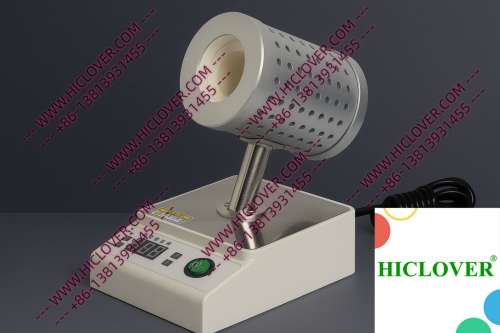
In the fast-evolving healthcare landscape of Orlando, laboratory biosafety remains a paramount concern. Laboratories face an array of challenges, including the need for effective sterilization methods that ensure contamination control while maintaining a safe working environment. In addressing these challenges, the utilization of advanced sterilization equipment, like the Micro Incinerator or Infrared Inoculating Loop Sterilizer, has become essential in diverse settings ranging from BSL-2 and BSL-3 microbiology labs to educational environments.
The Challenges of Laboratory Biosafety
Laboratory personnel are often confronted with biosafety challenges that can compromise both individual safety and research integrity. Traditional sterilization methods, such as alcohol lamps and Bunsen burners, while familiar, present several drawbacks, including:
- Open flames that pose fire hazards
- Inconsistent sterilization temperatures
- Potential aerosolization of pathogens
- Contamination risks during the sterilization process
- Instant heating capabilities with minimal wait times
- Uniform heat distribution for effective sterilization
- Safety features designed for clean-bench environments
- Aerosol-free handling of tools and samples
- Effective containment of biohazardous materials
- Reduction of exposure risks for laboratory staff
- Compliance with clean room protocols by eliminating the need for flames in sensitive areas
The demand for a reliable, efficient, and safe sterilization workflow in Orlando’s healthcare sector has led to greater interest in modern devices that promote rapid thermal sterilization without the hazards associated with flame-based methods.
Technical Principles of the Micro Incinerator
The Micro Incinerator employs infrared heat technology, utilizing a high-temperature ceramic heating chamber that provides a rapid heating process. This advanced sterilizer allows for:
When the inoculating loop or other laboratory tools are introduced into this enclosed ceramic tube, they are swiftly elevated to sterilization temperatures, ensuring high-level disinfection that meets regulatory compliance standards.
Application Scenarios for the Micro Incinerator
1. University Teaching Labs
In educational settings across Orlando, teaching laboratories benefit greatly from the integration of Micro Incinerators. Instructors utilize these devices to demonstrate precise microbial cultivation techniques and allow students to safely connect with modern biosafety practices. The absence of open flames ensures a controlled environment that prioritizes student safety and maximizes learning outcomes.
2. Clinical Diagnostics
Healthcare facilities, including diagnostic laboratories, employ the Micro Incinerator for real-time sterilization of inoculating loops, pipettes, and other delicate instruments. Quick turnover rates during high-volume testing can lead to increased laboratory productivity while maintaining compliance with biosafety protocols, especially critical in clinical settings where even minor contamination can lead to significant errors in patient diagnostics.
Compliance and Environmental Considerations
Adhering to biosafety regulations is crucial for laboratories. Organizations like the WHO outline stringent biosafety protocols to mitigate risks associated with handling pathogens. The Micro Incinerator meets and surpasses these sterilization standards, ensuring:
By utilizing advanced sterilization equipment, laboratories can maintain compliance with regulatory standards, ensuring both safety and operational efficiency.
Comparison: Micro Incinerator vs. Flame Sterilizers
| Feature | Micro Incinerator | Flame Sterilizer |
|---|---|---|
| Heat Source | Infrared | Open Flame |
| Efficiency | Rapid sterilization | Variable |
| Contamination Control | Aerosol-free operation | High risk of contamination |
| Safety | Safe to use in clean areas | Fire hazards present |
FAQs
What is the primary advantage of using a Micro Incinerator for sterilization?
The Micro Incinerator offers rapid thermal sterilization in a safe environment, eliminating the risks associated with open flames and increasing efficiency in laboratory workflows.
Can a Micro Incinerator be used in BSL-2 and BSL-3 labs?
Yes, the Micro Incinerator is ideal for use in BSL-2 and BSL-3 laboratories where maintaining biosafety is critical due to the potential exposure to pathogenic organisms.
How does the infrared sterilization process work?
Infrared sterilization utilizes high temperatures generated through an enclosed ceramic tube, quickly heating instruments to effective sterilization levels without aerosolizing contaminants.
Is it compliant with WHO biosafety standards?
Absolutely! The Micro Incinerator exceeds many WHO biosafety standards for sterilization, making it a reliable choice for laboratories focusing on effective contamination control.
Why is there no flame in clean rooms?
Flames can introduce contaminants, pose safety hazards, and disrupt sterile environments. The Micro Incinerator allows for effective sterilization without these risks, making it suitable for clean room operations.
Conclusion
For laboratories across Orlando and beyond, ensuring safety through effective sterilization is non-negotiable. The Micro Incinerator provides a safe, efficient alternative to traditional flame sterilizers, enhancing biosafety practices in various laboratory environments. To elevate your laboratory’s sterilization capabilities and ensure compliance with safety standards, consider integrating the Micro Incinerator into your workflow. Contact us today for more information on enhancing your laboratory’s safety protocols.
Categories:
Tags: