
In the bustling realm of laboratory biosafety, ensuring that sterilization processes meet strict regulatory demands can be challenging. Laboratories, particularly those operating under BSL-2 and BSL-3 standards, require reliable sterilization equipment to control contamination effectively. As research and clinical diagnostics evolve, so do the innovations in sterilization technology. One such advancement is the Micro Incinerator / Infrared Inoculating Loop Sterilizer, which offers a safer, more efficient alternative to traditional methods.
Understanding the Technical Principles of the Micro Incinerator
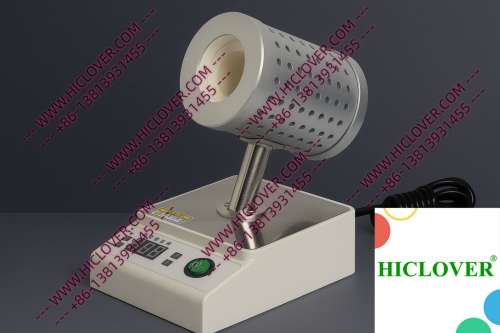
The Micro Incinerator operates on the principle of rapid thermal sterilization through the use of infrared heat. Unlike conventional flame sterilizers, which pose multiple risks including flames and potential contamination from alcohol lamps, this advanced device relies on an enclosed ceramic heating chamber that emits infrared radiation. This not only provides a high-temperature disinfection but does so in a clean and controlled environment, making it ideal for delicate laboratory workflows.
This sterilizer is designed for easy handling and allows for aerosol-free operation, vastly improving safety in both teaching labs and research environments. With the added benefit of instant readiness, it eliminates the waiting time often associated with flame sterilization, thus enhancing efficiency in lab operations.
Applications of the Micro Incinerator in Real Labs
Scenario 1: Teaching Labs
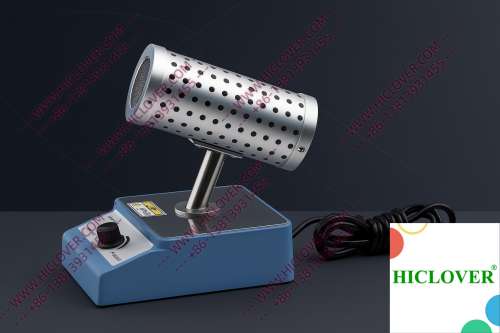
In university teaching labs, where students handle various biological samples, the risk of cross-contamination is heightened. The Micro Incinerator can seamlessly integrate into a biosafety cabinet, providing students with a safe way to sterilize inoculating loops between sample transfers. Its quick heating capability ensures a smooth workflow, allowing instructors to focus on teaching without worrying about the safety hazards posed by open flames.
Scenario 2: Clinical Diagnostics and Field Testing
In clinical laboratories, especially those engaged in field testing, mobility and safety are paramount. The Micro Incinerator’s compact design makes it easy to transport, yet its performance remains uncompromised. During mobile testing scenarios, such as testing for infectious diseases in remote settings, the ability to achieve rapid sterilization without flames not only protects the personnel involved but also minimizes the risk of environmental contamination.
Compliance and Environmental Considerations
Adhering to international biosafety standards is essential for laboratory operations. Organizations such as the WHO emphasize the importance of using equipment that ensures a safe working environment, particularly in clean rooms and sterilization areas. The Micro Incinerator meets strict lab sterilization standards, ensuring that there is no flame in clean environments. This is particularly critical in BSL-2 and BSL-3 laboratories, where the potential for pathogenic exposure is significantly higher.
“The move towards flame-free sterilizing solutions aligns with the strict regulatory frameworks we operate under, ensuring laboratory safety and compliance with international biosafety standards.”
Advantages Over Traditional Flame Sterilizers
When considering sterilization methods, the advantages of the Micro Incinerator over traditional flame burners are evident:
- Rapid Thermal Sterilization: Ensures immediate hygiene without lengthy cool-down times.
- Enhanced Safety: Eliminates open flames, reducing the risk of fire hazards in the laboratory.
- Clean-Bench-Safe: Allows for aerosol-free handling, maintaining a sterile work environment.
- Efficient Operation: Designed for high-temperature disinfection in less time.
Comparison Table: Micro Incinerator vs. Flame Burners
| Feature | Micro Incinerator | Flame Burners |
|---|---|---|
| Temperature Control | Precise infrared regulation | Variable depending on flame settings |
| Safety | Flame-free operation | Open flame hazards |
| Usability | Instant-on technology | Requires ignition and cooling period |
| Environment | Clean and confined sterilization | Smoke and aerosol emissions |
Frequently Asked Questions (FAQs)
What is a Micro Incinerator?
The Micro Incinerator is an advanced sterilization device that uses infrared heat for rapid thermal sterilization, eliminating the risks associated with open flames.
How does the Micro Incinerator improve lab safety?
By providing a flame-free operation, it significantly reduces fire hazards and allows for aerosol-free handling, contributing to a safer workspace.
Can the Micro Incinerator be used in field testing scenarios?
Yes, its compact design and efficiency make it well-suited for mobile laboratories and field testing applications, ensuring rapid sterilization in diverse environments.
Is the Micro Incinerator compliant with international biosafety standards?
Absolutely! The Micro Incinerator is designed to meet WHO biosafety standards, ensuring safe operation in clean rooms and laboratories.
How does it compare to traditional sterilizers in operational efficiency?
The Micro Incinerator offers instant on-demand heating, requiring less time to achieve sterilization compared to traditional methods, which often involve prolonged waiting periods.
Conclusion
As laboratories in Warsaw and beyond face ongoing challenges in biosafety and sterilization, the Micro Incinerator / Infrared Inoculating Loop Sterilizer stands out as a superior solution. Its advanced design, safety features, and compliance with international standards make it an essential addition to any laboratory’s sterilization arsenal. For more information on how the Micro Incinerator can enhance your laboratory’s sterilization workflow, please contact us today. Invest in safety, efficiency, and compliance with leading sterilization technology tailored to your needs.
Categories:
Tags: