
In an age where laboratory biosafety challenges are ever-present and critical for ensuring safe working environments, the demand for efficient sterilization workflows has never been greater. Traditional flame sterilization options, such as alcohol lamps and Bunsen burners, while historically used, pose risks such as flammable aerosols and variable efficiency. Beijing’s innovations in laboratory sterilization, particularly through the adoption of Micro Incinerators like the Infrared Inoculating Loop Sterilizer, have emerged as vital solutions addressing these challenges.
Understanding the Micro Incinerator: The Technical Principles

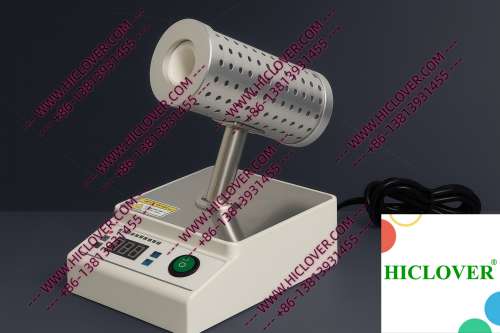
The Micro Incinerator operates on the principle of rapid thermal sterilization through infrared heating. Unlike traditional methods, this equipment features an enclosed ceramic heating chamber that provides stable and focused heat, effectively eliminating microbial contamination. The infrared rays penetrate quickly and deeply into the inoculating loops and other instruments, achieving high temperatures in a short period while ensuring clean-bench-safe conditions that prevent aerosol generation.
- Enclosed Ceramic Tube: Protects against external contamination and provides consistent heating.
- Infrared Technology: Promotes rapid disinfection without the risks associated with open flames.
- Compact Design: Space-efficient and ideal for small laboratory setups.
Applications of Micro Incinerators in Real Labs
Micro Incinerators have become increasingly prevalent in various laboratory settings due to their versatile application and enhanced safety measures. Here are two specific scenarios illustrating their importance:
1. Biosafety Cabinets in BSL-2 Laboratories
In laboratories classified as BSL-2, where pathogens that pose moderate hazards to personnel and the environment are studied, having an efficient sterilization solution is crucial. Micro Incinerators can be strategically placed within biosafety cabinets, allowing for direct sterilization of tools and loops without introducing contamination from external sources. The use of infrared technology means that researchers can rapidly achieve sterilization while maintaining the necessary sterile environment. This capability is particularly beneficial when performing procedures that involve bloodborne pathogens or other hazardous materials.
2. Field Testing Labs
Mobile or field testing laboratories, which often operate in variable conditions away from traditional facilities, also benefit from the Micro Incinerator’s portable and robust design. For instance, professionals conducting environmental testing on-site can use Micro Incinerators to sterilize instruments immediately after use, ensuring that samples taken from different locations are not cross-contaminated. The ability to operate without flames allows for safe use in diverse environments, including around flammable materials.
Compliance and Environmental Standards
With stringent guidelines set forth by organizations such as the World Health Organization (WHO), compliance with biosafety and laboratory sterilization standards is non-negotiable. Micro Incinerators fulfill these regulatory requirements by providing a flame-free sterilization option ideal for clean rooms and environments where contamination control is paramount. Laboratory standards dictate that sterilization processes should minimize risks associated with aerosols, flames, and hazardous byproducts. Using Micro Incinerators addresses these concerns effectively, ensuring that laboratories are well-equipped to meet modern compliance expectations.
“Effective sterilization and contamination control are essential to maintain the safety of laboratory environments, especially in settings exposed to infectious materials.”
Key Advantages Over Traditional Flame Sterilizers
| Feature | Micro Incinerator | Flame Burners |
|---|---|---|
| Sterilization Speed | Rapid thermal sterilization | Variable, slower heating |
| Aerosol Generation | None | Yes |
| Clean Room Safety | Ideal for clean-bench use | Not suitable |
| Energy Efficiency | Low energy consumption | Higher energy waste |
| Portability | Compact and mobile | Bulkier and less transportable |
FAQs About Micro Incinerators
1. How does the Micro Incinerator ensure complete sterilization?
The Micro Incinerator utilizes infrared technology, allowing it to achieve high temperatures rapidly, ensuring that all microbial life is effectively eliminated from laboratory tools.
2. Can Micro Incinerators be used in field environments?
Yes, their compact and portable design makes them ideal for use in mobile testing labs, allowing users to sterilize equipment on-site and during travel.
3. Are there specific lab conditions where a Micro Incinerator is most beneficial?
Micro Incinerators are particularly advantageous in BSL-2 and BSL-3 labs, clean rooms, and environments that require high levels of contamination control.
4. What are the environmental impacts of using Micro Incinerators?
By reducing the reliance on flame-based sterilizers, Micro Incinerators produce fewer hazardous byproducts and enhance safety, contributing to a more environmentally friendly laboratory setting.
5. How do Micro Incinerators adhere to compliance standards?
Micro Incinerators align with WHO and other regulatory guidelines on biosafety and sterilization by providing an efficient, flame-free solution for sterilizing laboratory equipment.
Conclusion: Investing in Safer, More Efficient Sterilization Solutions
As laboratory environments continue to demand higher safety and efficiency, Micro Incinerators stand out as an innovative solution leading the charge toward improved sterilization practices. Labs in Beijing and beyond are recognizing the significant benefits—from contamination control to compliance with stringent biosafety regulations. By investing in Micro Incinerators, laboratories not only enhance their operational workflows but also contribute to a more sustainable and safe laboratory environment. Explore purchasing options or contact us today to learn more about integrating Micro Incinerators into your sterilization processes.
Categories:
Tags: