
In the ever-evolving landscape of laboratory biosafety, the need for effective sterilization solutions has become paramount. Dental practices, particularly those dealing with high volumes of samples and instruments, are under increasing pressure to implement stringent contamination control measures. Among the specialized sterilization equipment available, the Micro Incinerator, or Infrared Inoculating Loop Sterilizer, stands out for its efficiency and safety in addressing these challenges.
Understanding the Technical Principles: The Power of Infrared Heat
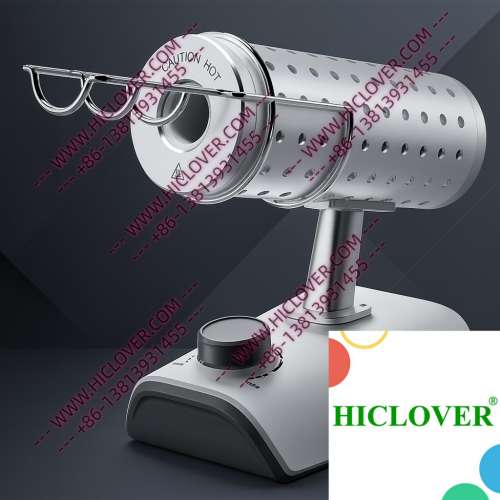
The Micro Incinerator operates on the principles of rapid thermal sterilization through infrared technology. Unlike traditional flame sterilizers such as Bunsen burners or alcohol lamps, this sterilizer utilizes a ceramic heating chamber that delivers high-temperature disinfection without the risk of open flames. This sealed design minimizes aerosols and provides an enclosed environment that enhances safety in laboratory settings.
The infrared technology ensures even heating and quick sterilization cycles, allowing laboratory personnel to maximize their workflow while minimizing the risk of cross-contamination. The technical specification of the Micro Incinerator often includes advanced temperature regulation and a compact form, making it ideal for various laboratory configurations.
Real-World Applications: Micro Incinerators in Action
1. Biosafety Cabinets in Clinical Laboratories
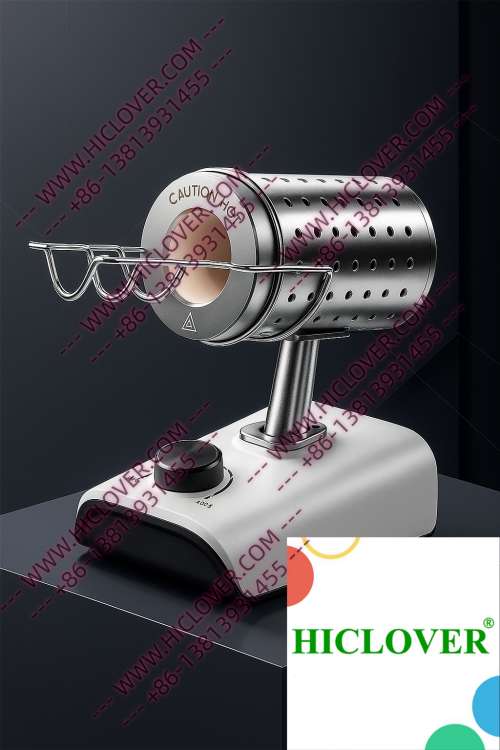
In BSL-2 and BSL-3 microbiology labs, where adherence to biosafety protocols is critical, the Micro Incinerator serves as an essential tool. With its aerosol-free handling and enclosed operation, laboratory technicians can safely sterilize inoculating loops and other instruments without compromising the sterile environment of the biosafety cabinet. This setup not only ensures compliance with guidelines but also improves workflow efficiency.
2. University Teaching Labs
University-level microbiology courses depend on effective sterilization methods to educate future scientists. The portability and ease-of-use of the Micro Incinerator make it an excellent choice for teaching labs, where students must learn sterilization techniques. For instance, using this device during practical sessions allows students to focus more on learning sterile techniques than on the risks associated with open flames.
Compliance and Safety: Meeting World Standards
Adherence to global health standards is crucial for any laboratory practice. The World Health Organization (WHO) outlines various biosafety protocols emphasizing the importance of proper sterilization methods in laboratory environments. Notably, many cleanroom operations require non-flame sterilization methods to avoid contamination.
- WHO biosafety guidelines
- ISO 13485 for medical devices
- Federal and local health regulations
By selecting a Micro Incinerator, laboratories can maintain compliance with these health standards, thus ensuring a safer and more efficient work environment. Additionally, its design negates the need for alcohol-based flames, which are often unsuitable for cleanrooms and can contribute to flammable hazards.
Advantages of Micro Incinerators vs. Traditional Flame Sterilizers
Choosing a Micro Incinerator offers several advantages over traditional flame sterilizers, including:
- Rapid Sterilization: Infrared heating provides faster cycle times than traditional flames.
- Aerosol-Free Operation: Eliminates the risk of airborne infections in BSL environments.
- Efficiency: Compact design allows for easy integration into various lab setups.
- Temperature Control: Precise control over heating eliminates the guesswork inherent in flame use.
Comparison Table: Micro Incinerator vs. Traditional Flame Burners
| Feature | Micro Incinerator | Flame Sterilizer |
|---|---|---|
| Heating Method | Infrared | Open Flame |
| Aerosol Generation | No | Yes |
| Safety | High | Medium |
| Speed of Sterilization | Fast | Moderate |
| Portability | High | Low |
Frequently Asked Questions (FAQs)
1. What are the key features to look for in a Micro Incinerator?
When evaluating a Micro Incinerator, consider rapid thermal sterilization capabilities, safety features like aerosol control, and temperature regulation settings.
2. How does a Micro Incinerator improve laboratory workflow?
By providing faster sterilization times and reducing contamination risks, a Micro Incinerator allows laboratory personnel to focus more on tasks requiring accuracy and efficiency.
3. Are Micro Incinerators compliant with WHO standards?
Yes, Micro Incinerators meet WHO biosafety requirements, promoting safer sterilization practices in sensitive lab environments.
4. Can I use a Micro Incinerator in a university lab setting?
Absolutely! Its ease of use and safety features make it ideal for educational purposes, especially in microbiology labs.
5. What maintenance is required for a Micro Incinerator?
Regular cleaning of the ceramic heating chamber is essential to maintain its performance and longevity. Check the manufacturer’s guidelines for specific maintenance tips.
Conclusion: Ensuring Safe and Efficient Laboratory Practices
In today’s challenging laboratory environment, selecting the right sterilization equipment can significantly enhance both safety and efficiency. The Micro Incinerator / Infrared Inoculating Loop Sterilizer not only meets stringent biosafety standards but also improves workflow in both clinical and educational settings. If you’re ready to upgrade your sterilization process and ensure compliance with modern health guidelines, consider investing in a Micro Incinerator for your practice.
Contact us today to learn more about how our sterilization solutions can meet your specific needs, and let’s help you create a safer, more effective laboratory environment.
Categories:
Tags: