
In the dynamic landscape of laboratory research and clinical diagnostics, overcoming biosafety challenges is paramount. The pressing need for effective sterilization workflows is underscored by the diversity of high-risk pathogens encountered in BSL-2 and BSL-3 microbiology labs. In Brazil, an emerging market for laboratory equipment, the introduction of innovative sterilization solutions like the Micro Incinerator or Infrared Inoculating Loop Sterilizer comes at a critical time.
Understanding Micro Incinerators
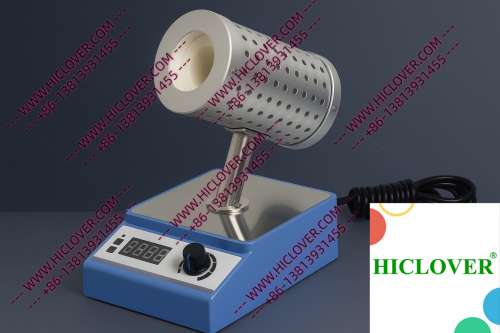
The Micro Incinerator operates on a sophisticated principle of rapid thermal sterilization using infrared heat. By employing an enclosed ceramic tube, it provides safe, high-temperature disinfection without the risks associated with traditional flame sterilizers like alcohol lamps or Bunsen burners.
One of the standout features of this device is its ability to achieve sterilization temperatures in seconds, enabling users to achieve contamination control swiftly. Unlike flame-based systems, the Micro Incinerator ensures an aerosol-free handling environment, crucial for preventing airborne contamination during experiments.
Applications in Laboratory Settings
Micro Incinerators have become indispensable in various laboratory scenarios:
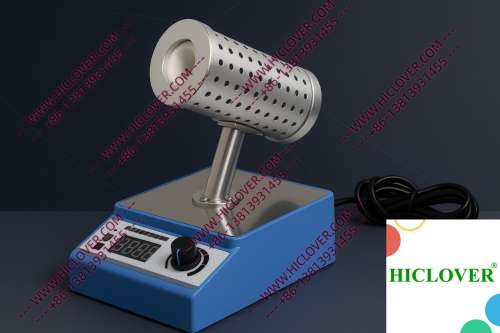
- Biosafety Cabinets: These incinerators are ideally suited for use within biosafety cabinets, offering a clean-bench-safe environment for sterilizing inoculating loops, needles, and other tools without introducing open flames.
- Field Testing: In remote research settings, mobile or field testing labs equipped with Micro Incinerators can manage biohazard materials effectively, ensuring the safe handling of samples without compromising the surroundings.
- Teaching Labs: Universities often rely on Micro Incinerators in teaching environments, where students can learn about microbiology and sterilization practices without the inherent dangers of open flame.
Compliance with Biosafety Standards
Addressing compliance with global biosafety standards, including guidelines set by the WHO, is critical for laboratories in Brazil that seek to establish credibility. The use of Micro Incinerators ensures adherence to lab sterilization standards, notably in environments where open flames are restricted due to fire risks, such as clean rooms.
Comparative Analysis with Traditional Flame Sterilizers
| Feature | Micro Incinerator | Flame Burners |
|---|---|---|
| Heat Source | Infrared | Open Flame |
| Temperature Control | Precise | Variable |
| Aerosol Production | None | Yes |
| Safety in Clean Rooms | Yes | No |
| Startup Time | Seconds | Minutes |
Benefits and Challenges
Leveraging Micro Incinerators offers several advantages:
- Efficiency: Quickly sterilizes tools enhances workflow in high-throughput laboratories.
- Safety: Reduces risk associated with fire hazards and aerosol contamination.
- Versatility: Suitable for various laboratory environments including field testing and university labs.
However, challenges remain as organizations must address initial costs and training personnel to adapt to this technology. Awareness of the benefits of infrared sterilization over traditional flame sterilizers is crucial for transitioning.
FAQs About Micro Incinerators
What is a Micro Incinerator?
A Micro Incinerator is a laboratory sterilization device that uses infrared heat for rapid thermal sterilization of inoculating loops and other equipment, providing a flame-free solution that minimizes safety risks.
How does the Micro Incinerator differ from traditional sterilizers?
The Micro Incinerator operates at precise temperatures using infrared technology, avoiding the hazards of flame, whereas traditional sterilizers rely on open flames, which can produce aerosols and pose fire risks.
Are Micro Incinerators compliant with biosafety standards?
Yes, they are designed to comply with WHO and other international lab sterilization standards, making them suitable for use in clean rooms and BSL-2/BSL-3 laboratories.
Can Micro Incinerators be used in field testing?
Absolutely! Micro Incinerators are portable and can be used effectively in field testing labs, offering rapid sterilization capabilities in remote settings.
What are the applications of Micro Incinerators in university labs?
In university labs, Micro Incinerators are utilized for teaching purposes, providing a safe method for students to practice sterilization techniques without the risks associated with flames.
Conclusion
In conclusion, the Micro Incinerator represents a significant advancement in laboratory sterilization methods in Brazil, delivering rapid and efficient solutions tailored to meet stringent biosafety standards. As laboratories continue to confront the challenges of contamination control, investing in a Micro Incinerator can enhance workflow, ensure safety, and guarantee compliance. For more information about incorporating this innovative sterilization equipment into your facility, do not hesitate to reach out to discuss your specific needs and options.
Categories:
Tags: