
In the realm of laboratory biosafety, maintaining a sterile environment is paramount. Researchers and laboratory technicians face a myriad of challenges in executing effective sterilization processes. Traditional flame sterilizers, like alcohol lamps and Bunsen burners, often introduce risks of contamination, compromise air quality, and generate flammable aerosols. As such, the need for advanced sterilization solutions, such as the Micro Incinerator or Infrared Inoculating Loop Sterilizer, becomes increasingly clear for a variety of applications, from BSL-2 to BSL-3 laboratories to educational settings.
Technical Principles of Micro Incinerators
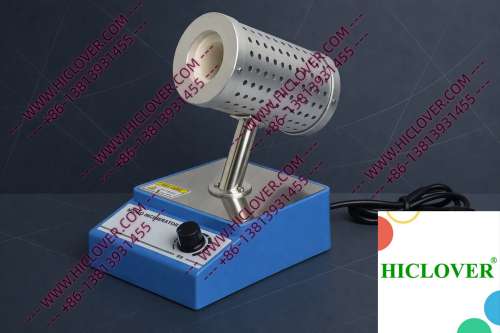
The Micro Incinerator employs rapid thermal sterilization through infrared heat, delivering quick and effective disinfection without the use of an open flame. The system’s enclosed ceramic heating chamber allows for high temperatures while ensuring clean-bench-safe functionality. With the capability to reach temperatures of up to 800°C within seconds, the Micro Incinerator significantly reduces the time required for sterilizing inoculating loops and other lab tools.
This innovative sterilization method minimizes aerosol generation, thereby protecting both lab personnel and the integrity of the experiments being conducted. The efficient design provides stable and consistent heating, making contamination control a seamless part of laboratory workflow.
Applications in Real Labs
1. Biosafety Cabinets
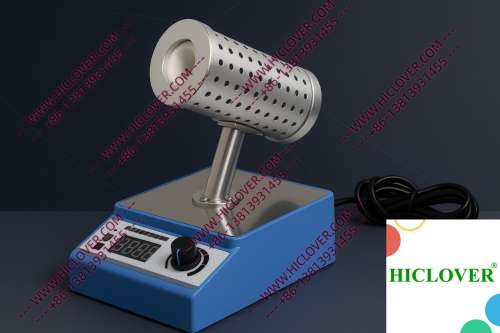
In BSL-2 and BSL-3 microbiology labs, where pathogen containment and controlling contamination are critical, the Micro Incinerator is a valuable asset. Within biosafety cabinets, technicians can safely sterilize tools without exposing themselves or the samples to harmful elements. The high-temperature disinfection capabilities allow for immediate sterilization of equipment like inoculating loops right at the workspace, enhancing efficiency and ensuring compliance with stringent biosafety protocols.
2. University Teaching Labs
Teaching labs in universities often involve the use of inoculating loops for microbiological studies. By utilizing Micro Incinerators, institutions can provide students with hands-on experience in employing advanced sterilization technologies that adhere to lab sterilization standards. This not only ensures student safety by eliminating the risks associated with open flames but also instills a culture of contamination control practices that students will carry into their future careers.
Biosafety and Compliance Considerations
In today’s laboratory environments, adhering to regulatory guidelines is essential for operational integrity and safety. The World Health Organization (WHO) outlines strict biosafety standards that require laboratories to minimize risks associated with microbial handling. The Micro Incinerator aligns with these requirements by offering a sterile working environment without the hazards linked to flame sterilizers, including gas emissions and ambient temperature fluctuations.
Furthermore, in clean rooms and environments sensitive to particulate contamination, the usage of traditional flame burners is often prohibited. The Micro Incinerator is designed to operate effectively within these environments, making it a crucial element for compliance with global lab sterilization standards.
Advantages of Micro Incinerators Over Traditional Flame Sterilizers
- Safety: No open flames reduce fire hazards and improve user safety.
- Efficiency: Rapid reaching of high temperatures streamlines the sterilization process.
- Contamination Control: Aerosol-free handling ensures a sterile working environment.
- Environmentally Friendly: No gas emissions compared to flame burners.
- Workplace Compatibility: Ideal for clean bench settings and enclosed sterile environments.
Comparison Table: Micro Incinerator vs. Flame Burners
| Feature | Micro Incinerator | Flame Burners |
|---|---|---|
| Sterilization Method | Infrared Heat | Open Flame |
| Temperature Control | Precise and Rapid | Variable |
| Safety | High (No Open Flame) | Moderate (Fire Risk) |
| Gas Emissions | None | Yes |
| Application Versatility | Multiple Settings | Limited (Generally BSL-1) |
FAQs About Micro Incinerators
1. How does an infrared inoculating loop sterilizer work?
A Micro Incinerator utilizes infrared heating to rapidly disinfect inoculating loops by delivering high temperatures in a controlled, enclosed environment, thus ensuring thorough sterilization without the risk of contamination.
2. Are Micro Incinerators safe for use in clean rooms?
Yes. Micro Incinerators do not produce open flames or gas emissions, making them safe and effective for use in clean rooms where contamination control is critical.
3. What are the temperature capabilities of a Micro Incinerator?
The Micro Incinerator can achieve temperatures up to 800°C, allowing for efficient rapid thermal sterilization of laboratory instruments.
4. Can a Micro Incinerator be used in field testing scenarios?
Yes, the portability and efficiency of Micro Incinerators make them suitable for various field testing applications, enabling sterilization on-site without the need for flammable materials.
5. Is there any maintenance required for a Micro Incinerator?
Minimal maintenance is typically required. Regular cleaning of the ceramic tube and ensuring the heating elements function properly will maintain optimal performance.
Conclusion
In summary, the Micro Incinerator / Infrared Inoculating Loop Sterilizer stands out as a top-tier solution for laboratory sterilization equipment. With its advanced technology, unmatched safety features, and versatility across different applications, it provides a coherent response to the demands of modern laboratory workflows. Investing in such superior sterilization equipment ensures regulatory compliance, enhances laboratory safety, and ultimately contributes to the advancement of scientific research. For further information or to explore purchase options, don’t hesitate to reach out!
Categories:
Tags: