
Laboratory environments are increasingly challenged with maintaining biosafety standards while ensuring efficiency in sterilization processes. As the demand for contamination control rises, especially in bustling research cities like Karachi, the need for advanced sterilization equipment has never been more critical. This article will delve into the transformative role of Micro Incinerator and Infrared Inoculating Loop Sterilizers in modern laboratory workflows, focusing on their technical principles, practical applications, and compliance with international biosafety standards.
Understanding the Technical Principles of Infrared Loop Sterilizers
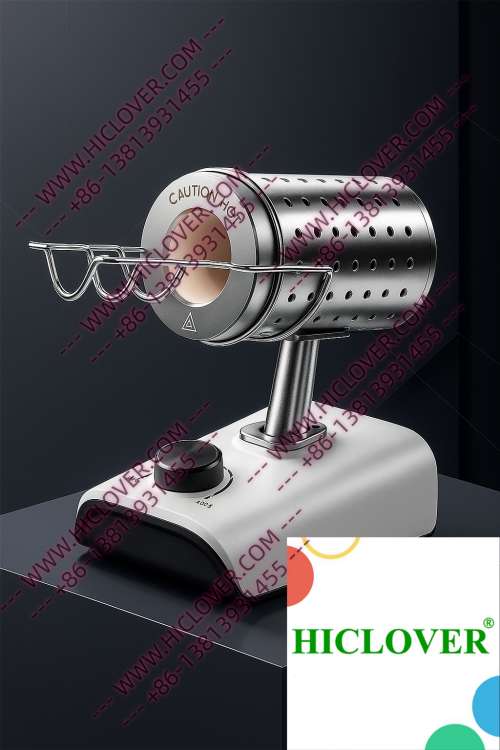
Micro Incinerators utilize infrared heat as a rapid thermal sterilization method, ideal for eliminating microbial contaminants. Unlike traditional flame sterilizers such as alcohol lamps or Bunsen burners, which rely on open flames, infrared sterilizers operate using a sealed, enclosed ceramic heating chamber. This configuration not only ensures high-temperature disinfection but also minimizes the risk of flame-related hazards in sensitive lab environments.
The heating element in these devices can quickly reach temperatures exceeding 800 degrees Celsius within moments of activation, ensuring efficient sterilization without the generation of aerosol contaminants, which is a significant advantage in maintaining a clean workspace. This precision is crucial in settings like BSL-2 or BSL-3 microbiology labs where the risk of aerosolized pathogens poses a serious threat to lab personnel.
Applications in Real Laboratories
Micro Incinerators and infrared inoculating loop sterilizers are versatile tools in various laboratory settings. Below are key application scenarios:
Biosafety Cabinets
In biosafety cabinets, maintaining sterile conditions is imperative. Micro Incinerators serve as a reliable tool for sterilizing inoculating loops without disrupting airflow. This closed-system sterilization method adheres to the sterile environment protocols necessary for handling sensitive bacterial cultures. By providing a clean and efficient way to achieve decontamination, labs can ensure compliance with safety regulations while enhancing workflow efficiency.
University Teaching Labs
University teaching laboratories benefit significantly from the integration of infrared sterilizers. Educators use these devices to demonstrate sterile techniques safely, emphasizing the importance of contamination control. With the Micro Incinerator’s ability to quickly sterilize tools without a flame, students learn effective lab practices while minimizing risks associated with traditional flame sources. This hands-on experience is invaluable in preparing future scientists for real-world laboratory challenges.
Compliance with Biosafety Standards
Compliance with international standards is crucial for laboratories, especially in regions like Karachi where health regulations are increasingly stringent. The World Health Organization (WHO) has established comprehensive biosafety guidelines that laboratories must follow to protect personnel and the broader community. These guidelines stress the importance of non-flammable sterilization methods in clean rooms and microbiological applications.
Utilizing Micro Incinerators aligns with these compliance standards, offering a safer alternative to traditional sterilization practices. For instance, in clean rooms where any open flame could lead to contamination or unsafe conditions, infrared sterilization ensures that labs can maintain sterile environments without compromising safety. This cornerstone of modern laboratory design underscores the shift towards more sophisticated sterilization equipment.
Comparing Micro Incinerators and Traditional Flame Burners
| Feature | Micro Incinerator | Flame Burners |
|---|---|---|
| Heating Method | Infrared | Open Flame |
| Temperature Control | Fast and precise | Variable and unpredictable |
| Aerosol Production | None | High risk |
| Safety | Very high | Moderate (risk of fire) |
| Applications | Biosafety labs, teaching, clinics | General use, but with limitations |
Frequently Asked Questions
- How does a Micro Incinerator work? – A Micro Incinerator uses infrared heating to achieve rapid sterilization, eliminating bacteria effectively without the use of an open flame.
- Why are Micro Incinerators preferred over flame burners? – They provide a higher level of safety, better temperature control, and eliminate aerosol production, which is crucial in many laboratories.
- Are Micro Incinerators compliant with international biosafety standards? – Yes, they are designed to meet or exceed WHO and other international biosafety guidelines.
- Can they be used in university labs? – Absolutely, they are ideal for teaching sterile techniques in educational settings.
- What is the typical temperature range for sterilization? – Micro Incinerators can reach temperatures above 800 degrees Celsius, ensuring thorough sterilization.
Conclusion
The shift from traditional flame sterilizers to modern Micro Incinerators and Infrared Inoculating Loop Sterilizers signifies a major advancement in laboratory practices in Karachi and beyond. By ensuring safety, efficiency, and compliance with biosafety standards, these devices are enhancing the operational workflow in diverse laboratory environments. For facilities looking to improve their sterilization practices, considering a transition to infrared technology can lead to substantial long-term benefits.
If you’re interested in upgrading your laboratory equipment or have questions about Micro Incinerators, reach out to us today to explore your options. Elevate your laboratory standards for a safer and more efficient operational environment!
Categories:
Tags: