
In the realm of laboratory research and clinical diagnostics, the need for robust sterilization equipment cannot be overstated. Practicing biosafety in laboratories goes beyond mere protocols; it demands state-of-the-art sterilization solutions to ensure contamination control, especially in sensitive environments such as BSL-2 and BSL-3 microbiology labs. As the initial barrier in the sterilization workflow, devices like the Micro Incinerator / Infrared Inoculating Loop Sterilizer have become indispensable in Cairo’s hospitals and laboratories.
The Technical Principle Behind Micro Incinerators
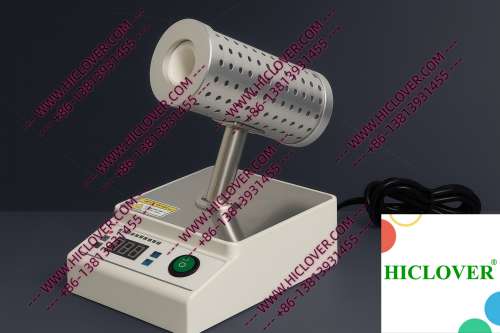
The Micro Incinerator operates on the principle of infrared heat, which enables rapid thermal sterilization through high-temperature disinfection. Unlike traditional methods, this innovative equipment uses an enclosed ceramic tube that offers a safe and contamination-free environment. The ceramic heating chamber ensures an even, stable temperature, eliminating the risk linked with flame-based sterilizers like Bunsen burners or alcohol lamps.
Advantages Over Traditional Flame Sterilizers
Adopting a Micro Incinerator for sterilization presents numerous advantages:
- Enhanced safety: Zero flame technology reduces the risk of fire hazards in clean room environments.
- Aerosol-free handling: Eliminates the potential for contaminant aerosolization, fostering a safer lab environment.
- Fast sterilization: Achieves sterilization in less than a minute, boosting laboratory efficiency.
- Consistent temperature controls: Ensures reliable results with each sterilization cycle.
- Non-explosive conditions for clean-room applications.
- Simplicity in compliance with safety regulations set forth by health authorities.
- Environmental sustainability by minimizing harmful waste associated with alcohol or gas sterilization systems.
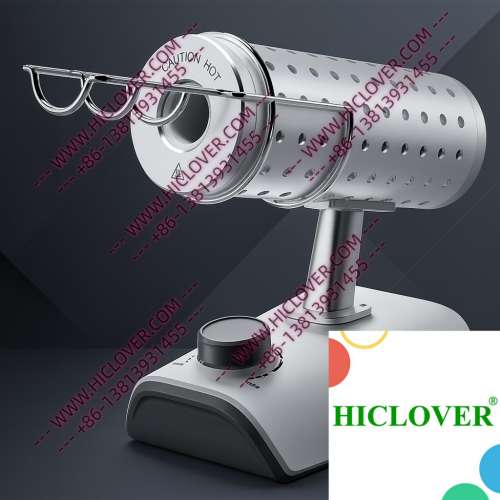
Application Scenarios for Micro Incinerators
Micro Incinerators have found versatile applications in various laboratory settings:
1. Biosafety Cabinets
In a biosafety cabinet, where contamination risk must be minimized, a Micro Incinerator serves as an effective tool for sterilizing inoculating loops, forceps, and other lab tools. Its enclosed design prevents aerosols from escaping into the controlled environment, safeguarding both personnel and research integrity.
2. Teaching Labs
In educational institutions, where teaching microbiology or laboratory techniques is vital, the Micro Incinerator enhances student learning. It provides a practical demonstration of sterilization techniques without exposing students to the dangers associated with Bunsen burners, ensuring a safe learning experience.
Compliance and Environmental Considerations
Adhering to international standards and guidelines is paramount when selecting sterilization equipment. WHO biosafety recommendations dictate the implementation of non-flame sterilizers in environments where explosions or fire hazards are a concern. Furthermore, maintaining sterilization standards protects both laboratory workers and the environment, reducing the impact of toxic emissions often associated with flame-based methods.
Micro Incinerators align with global lab sterilization standards by offering:
Price Breakdown of Micro Incinerators in Cairo
Understanding the financial aspect of obtaining a Micro Incinerator is vital for laboratories and health institutions. The recent market trend in Cairo suggests a range of factors influencing the cost, including the unit’s specifications, supplier overhead, and shipping expenses. Below is a comprehensive price breakdown:
| Features | Estimated Price Range (EGP) |
|---|---|
| Micro Incinerator Standard Model | 10,000 – 15,000 |
| Infrared Inoculating Loop Sterilizer | 12,000 – 18,000 |
| Advanced Features (digital controls, safety locks) | 15,000 – 25,000 |
With varying price levels, both hospitals and laboratories in Cairo can find models that suit their budget and sterilization needs. Opportunities for financing or procurement through partnerships with distributors can also significantly reduce upfront costs.
FAQs about Micro Incinerators
What is the primary advantage of using a Micro Incinerator over traditional flame sterilizers?
The Micro Incinerator offers enhanced safety by eliminating flame hazards and reducing the risk of contamination through aerosolized pathogens.
How long does it take to sterilize an inoculating loop using a Micro Incinerator?
Typically, sterilization takes less than a minute, significantly improving workflow efficiency.
Are Micro Incinerators compliant with WHO biosafety standards?
Yes, these devices adhere to WHO recommendations, making them suitable for use in various laboratory environments.
Can Micro Incinerators be used in field testing laboratories?
Absolutely! Their compact size and effective sterilization method make them ideal for mobile or field testing labs.
What maintenance do Micro Incinerators require?
Regular checks for ceramic tube integrity and cleaning of the heating chamber are recommended to ensure optimal performance.
Conclusion
As research and laboratory operations in Cairo continue to evolve, investing in advanced sterilization technology like the Micro Incinerator / Infrared Inoculating Loop Sterilizer becomes crucial for ensuring biosafety and contamination control. With numerous advantages over traditional flame sterilizers and a variety of applications across different lab environments, these modern devices enhance the efficiency and safety of laboratory processes. For further inquiries or to discuss purchasing options, feel free to contact us and explore how our solutions can meet your laboratory’s specific needs.
Categories:
Tags: