
In today’s rapidly evolving medical landscape, laboratory biosafety challenges are an ever-present concern. Medical facilities in the UAE are increasingly required to maintain rigorous sterilization workflows to ensure contamination control and the safety of both patients and healthcare workers. Among the various sterilization methods, Micro Incinerator or Infrared Inoculating Loop Sterilizers stand out as highly efficient and safer alternatives to traditional flame sterilizers.
Understanding Technical Principles of Infrared Inoculating Loop Sterilizers
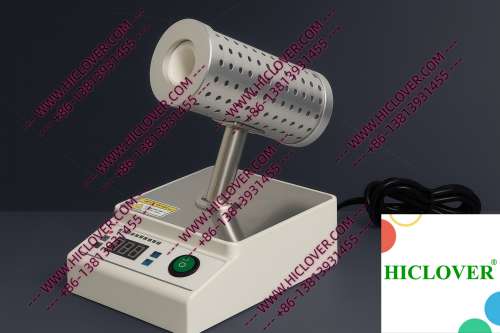
The core technology behind modern loop sterilizers relies on rapid thermal sterilization using infrared heat. Infrared inoculating loop sterilizers utilize an enclosed ceramic heating chamber that generates high temperatures ideal for quick and effective sterilization without the hazards often associated with open flames. These sterilizers provide a clean-bench-safe environment, eliminating the risk of aerosol generation that can compromise biosafety levels in sensitive laboratory settings.
Unlike traditional methods such as alcohol lamps or Bunsen burners, which can create noxious fumes and fire hazards, the Micro Incinerator offers a flame-free operation that is particularly valuable in maintaining a sterile environment, especially within BSL-2 and BSL-3 microbiology labs.
Applications of Micro Incinerators in Medical and Research Settings
Micro Incinerators find extensive applications in various laboratory settings, emphatically reinforcing their position as essential sterilization equipment.
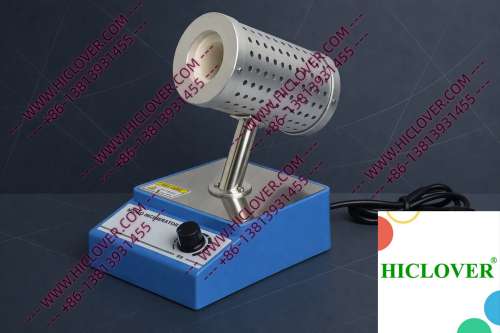
1. Biosafety Cabinets
In biosafety cabinet environments, maintaining aseptic conditions is paramount. The infrared inoculating loop sterilizer allows researchers to sterilize their inoculating loops without exposing cultures to potential contaminants from open flames. This application is critical in preserving the integrity of sensitive biological samples while ensuring compliance with stringent biosafety guidelines set forth by international health organizations.
2. University Teaching Labs
In academic settings where microbiology is taught, the Micro Incinerator proves invaluable. It can comfortably accommodate the high volume of sterilization required during practical sessions, providing students with a safe and effective method to learn proper laboratory techniques. The predictable heating and thorough sterilization process make it an ideal teaching tool, emphasizing best practices in microbiological methods.
Compliance and Environment: Ensuring Safety Standards
Compliance with health and safety regulations is a non-negotiable aspect of laboratory operations. In the context of UAE medical facilities, the WHO has established guidelines emphasizing the importance of biosafety in laboratories. Specific sterilization protocols must be adhered to, particularly in cleanrooms where flame sterilization is prohibited. Traditional open flame methods can pose substantial risks, including contamination of sterile areas and fire hazards in a high-density clinical environment.
- WHO Biosafety Guidelines: Compliance with these guidelines ensures that the establishment of sterilization procedures is aligned with global health standards.
- No Flame in Cleanrooms: The use of flame sterilizers in areas such as CO2 incubators can lead to severe contamination issues and potential fires.
- Lab Sterilization Standards: Adhering to active sterilization protocols protects laboratory workers and contributes to public health safety.
Advantages of Micro Incinerators Over Traditional Flame Sterilizers
Below is a comparative overview highlighting the key advantages of Micro Incinerators versus traditional flame models:
| Feature | Micro Incinerator | Flame Sterilizers |
|---|---|---|
| Safety | Flame-free operation, no risk of fire | Open flame poses fire hazards |
| Efficiency | Rapid thermal sterilization | Takes longer to achieve adequate sterilization |
| Environment | No fumes, clean-bench-safe | Produces smoke and aerosols |
| Ease of Use | Simple operation with quick warm-up times | Requires careful flame management |
FAQ Section
- What is the primary advantage of a Micro Incinerator in labs? The rapid thermal sterilization capability and flame-free operation significantly reduce contamination risks.
- Can Micro Incinerators be used in field testing? Yes, they can be conveniently utilized in mobile labs due to their compact design and efficiency.
- What safety standards should labs adhere to when implementing sterilization equipment? Laboratories should comply with WHO biosafety standards and local regulations that govern sterilization protocols.
- How does the infrared technology work? Infrared technology rapidly heats up the enclosed ceramic heating chamber, ensuring thorough sterilization of inoculating loops without an open flame.
- Are Micro Incinerators suitable for all types of laboratory functions? While primarily used for sterilization, they are best suited for biosafety cabinets and educational settings where safety and efficiency matter most.
Conclusion
Integrating Micro Incinerators or Infrared Inoculating Loop Sterilizers into the sterilization workflows of UAE medical facilities can significantly enhance laboratory safety, efficiency, and compliance with global standards. As laboratories continue to evolve, adopting innovative and effective sterilization technologies will not only improve operational practices but also safeguard health outcomes.
If you’re looking to enhance your laboratory’s sterilization capabilities, consider investing in Micro Incinerators for optimal performance and safety. Contact us today to explore our range of high-quality sterilization equipment tailored to meet your needs.
Categories:
Tags: