
In today’s fast-evolving laboratory environment, maintaining an impeccable level of biosafety is paramount. Laboratories across various domains—ranging from clinical diagnostics to research centers—are constantly faced with the challenge of effectively sterilizing equipment to mitigate contamination risks. The traditional methods of sterilization, such as alcohol lamps and Bunsen burners, often fall short due to their inherent limitations. Thus, innovations in sterilization technology, particularly the Micro Incinerator and Infrared Inoculating Loop Sterilizer, provide a compelling solution to these pressing issues.
The Need for Advanced Sterilization Solutions
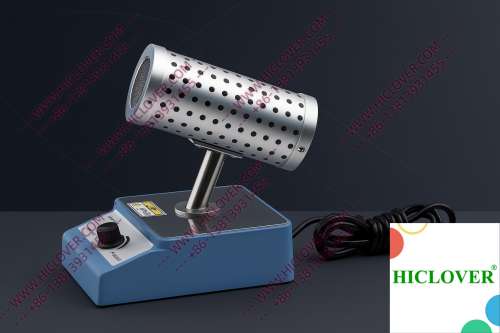
Challenges in laboratory workflows—especially in BSL-2 and BSL-3 microbiology labs—often prohibit the use of flame-based sterilizers. With an increased concern for safety in clean rooms and biosafety cabinets, there’s a marked preference for non-flame sterilization techniques. A growing body of regulations, such as WHO biosafety standards, further reinforces the necessity for tools that enhance contamination control without the risks associated with open flames.
The Technical Triumph of Infrared Sterilization
The Micro Incinerator operates on cutting-edge infrared technology, which delivers rapid thermal sterilization through enclosed heat, remarkably minimizing aerosol generation compared to conventional methods. It employs a ceramic heating chamber where the infrared heat effectively targets inoculating loops, ensuring swift disinfection while maintaining the integrity of the lab environment.
“The shift towards infrared sterilization exemplifies a pivotal advancement in laboratory practices, promoting both safety and efficiency.”
Applications in Diverse Laboratory Settings
Real-world scenarios demonstrate the versatility of the Micro Incinerator. Here are two application scenarios:
- Biosafety Cabinets: In a BSL-3 level microbiology lab, researchers utilize the Micro Incinerator for the sterilization of instruments within biosafety cabinets. This approach effectively reduces cross-contamination, allowing safe handling of pathogens.
- Teaching Laboratories: In university settings, educators engage students in hands-on microbiology training using this advanced sterilizer. It provides a flame-free option that aligns with the latest safety protocols.
Compliance with Biosafety Standards
Adopting modern sterilization technologies not only enhances lab safety but also complies with rigorous biosafety standards outlined by the WHO. For instance, the non-flame design enables its use in clean rooms devoid of volatile organic compounds, which are often hazardous in closed environments. The performance of the Micro Incinerator meets the necessary sterilization standards for laboratory use, providing peace of mind to users concerned about compliance.
| Feature | Micro Incinerator | Traditional Flame Burners |
|---|---|---|
| Flame-Free | Yes | No |
| Aerosol-Free Handling | Yes | Limited |
| Rapid Thermal Sterilization | Yes | Depends on Flame Intensity |
| Compliance with WHO Standards | Yes | Variable |
| Ease of Use | High | Moderate to High |
Regional Considerations and Market Needs
As global demand for high-quality laboratory equipment rises, regions such as North America and Europe are adopting advanced sterilization technologies at an unprecedented rate. Hospitals, universities, and research centers in cities like Boston, London, and Tokyo are increasingly prioritizing investments in equipment that conforms to the latest safety regulations while also enhancing operational efficiency.
Frequently Asked Questions (FAQs)
- What is the main benefit of using a Micro Incinerator in a lab setting?
The Micro Incinerator significantly reduces the risk of contamination without the hazards posed by open flames, improving overall lab safety and compliance. - How does the Micro Incinerator compare to traditional sterilization methods?
It offers rapid thermal sterilization, reduced aerosol generation, and enhanced compliance with modern biosafety standards. - Is the Micro Incinerator suitable for all laboratory types?
Yes, it is versatile enough for use in BSL-2 and BSL-3 labs, teaching labs, and even in mobile field testing scenarios. - Can the Micro Incinerator be used in clean rooms?
Absolutely, its flame-free and aerosol-free design makes it ideal for clean room environments. - What maintenance does the Micro Incinerator require?
Routine cleaning of the ceramic heating chamber and checking the electrical components are recommended to ensure longevity and efficiency.
Conclusion
As laboratories strive for excellence in biosafety and efficiency, the innovations embodied in the Micro Incinerator pave the way for modern sterilization practices. Its flame-free operation not only adheres to strict biosafety compliance but also elevates the cleanliness protocols of laboratory environments globally. For those seeking to upgrade their sterilization equipment, consider investing in a Micro Incinerator—it’s an indispensable asset for lab safety and workflow efficiency. Reach out to us today to learn more about the Micro Incinerator and how it can fit your laboratory’s needs!
Categories:
Tags: