
In Sweden’s health sector, laboratory biosafety challenges are ever-present. With increasing demands for sterilization workflows, effective and efficient laboratory sterilization equipment has become imperative. One such innovation is the Micro Incinerator, also known as the Infrared Inoculating Loop Sterilizer. This article delves into its technical principles, application scenarios, compliance with global standards, and its improved safety profile compared to traditional flame sterilizers.
Challenges in Laboratory Biosafety
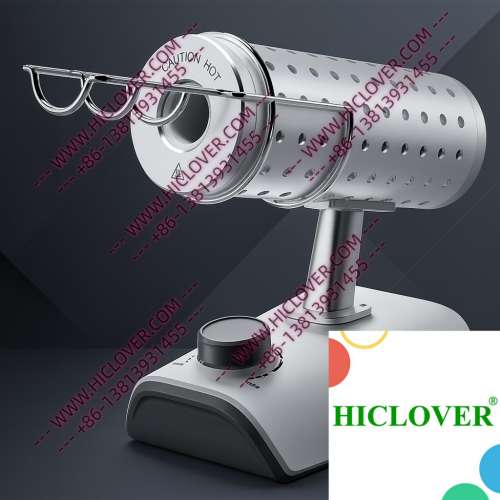
Laboratories, particularly in clinical diagnostics and microbiology, must adhere to stringent biosafety protocols to prevent contamination. In BSL-2 and BSL-3 environments, the aerosol generation and open flames associated with traditional sterilizers, such as alcohol lamps and Bunsen burners, pose significant risks. These challenges underline the necessity for advanced sterilization techniques that not only mitigate contamination risk but also optimize workflow efficiency.
Technical Principles of the Micro Incinerator
The Micro Incinerator employs infrared heat technology, utilizing a ceramic heating chamber enclosed within a highly durable structure. This design ensures rapid thermal sterilization, reaching temperatures that effectively eradicate pathogens. The enclosed ceramic tube not only minimizes the risk of user exposure to flames but also permits aerosol-free handling, making it a safe alternative in environments where sterility is paramount.
Advantages of Infrared Sterilization Over Traditional Flame Burners
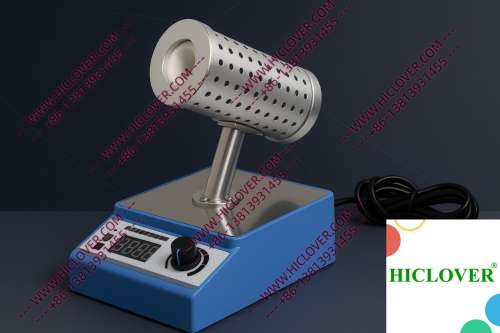
- Safety: No open flames reduce the risk of fire hazards.
- Efficiency: Rapid heating capabilities allow for quicker sterilization cycles.
- Improved Contamination Control: Enclosed design minimizes aerosol generation and environmental exposure.
- Environmentally Friendly: Reduced reliance on flammable alcohols enhances lab safety.
Application Scenarios of the Micro Incinerator
This innovative sterilization equipment has practical applications in various laboratory setups:
1. Biosafety Cabinets
Within BSL-2 and BSL-3 microbiology labs, the Micro Incinerator can be utilized in biosafety cabinets. This closed system helps maintain sterile conditions while allowing for effective sterilization of inoculating loops and other instruments without the risk of cross-contamination or flame exposure.
2. University Teaching Labs
In academic settings, particularly in university teaching labs, the Micro Incinerator serves as a vital tool for students learning best practices in microbiology. Its compact, user-friendly design allows students to safely practice inoculation techniques while minimizing the risk of accidents associated with combustible sterilization methods.
Compliance with Biosafety Standards
Adhering to international biosafety standards is essential for laboratories in Sweden and worldwide. The World Health Organization (WHO) has established strict guidelines that emphasize the need for safe laboratory practices. Compliance with such standards is crucial, particularly in environments where the risk of contamination must be minimized.
With the Micro Incinerator, laboratory personnel can operate safely in clean areas without fumigating the surrounding environment with potentially harmful aerosols. The absence of flame also aligns with standards governing flame-free operations in cleanrooms and laboratories, ensuring maximum safety while maintaining effective sterilization protocols.
Why Choose the Micro Incinerator?
Laboratories seeking to enhance sterilization workflows should consider transitioning from traditional flame sterilizers to the Micro Incinerator. This advanced technology not only improves safety and efficiency but also ensures adherence to biosafety compliance laid out by organizations like the WHO.
Comparison Table: Micro Incinerator vs. Flame Burners
| Feature | Micro Incinerator | Flame Burners |
|---|---|---|
| Safety | No open flames, reduced fire risk | Open flames, higher fire hazards |
| Efficiency | Rapid sterilization cycles | Variable heating times |
| Environmental Impact | Flammable-free operation | Requires flammable substances |
| Aerosol Generation | No aerosols released | Aerosol generation is possible |
FAQs About Micro Incinerators
1. What is a Micro Incinerator, and how does it work?
A Micro Incinerator is a laboratory sterilization device that utilizes infrared heat technology to achieve rapid thermal sterilization without the use of open flames.
2. Can a Micro Incinerator be used in field testing labs?
Yes, the portability and safety features of the Micro Incinerator make it ideal for use in field testing laboratories.
3. How does the Micro Incinerator enhance laboratory safety?
The Micro Incinerator reduces the risk of fire hazards associated with open flames and minimizes aerosol generation, thus preserving a sterile environment.
4. What are the compliance standards for laboratory sterilization equipment?
Laboratories must follow international biosafety regulations, including those set forth by the WHO, to ensure safe and effective sterilization practices.
5. Where can I purchase a Micro Incinerator in Sweden?
You can find reputable laboratory supply distributors in Sweden that offer the Micro Incinerator and can assist with purchasing options.
Conclusion
In conclusion, the Micro Incinerator serves as a valuable tool for improving safety, efficiency, and compliance in Sweden’s health sector labs. Its cutting-edge technology, lowered risk profile, and streamlined workflow make it an essential addition to any laboratory setting. For more information on how the Micro Incinerator can facilitate your lab’s sterilization processes, consider reaching out to your local laboratory supply distributor today.
Categories:
Tags: